
Gamescom 2026 is gaining weight on the gaming events 2026 calendar as GDC’s reinvention raises questions and Cologne lines up exhibitors, dates, business tools, and player-facing reveals.
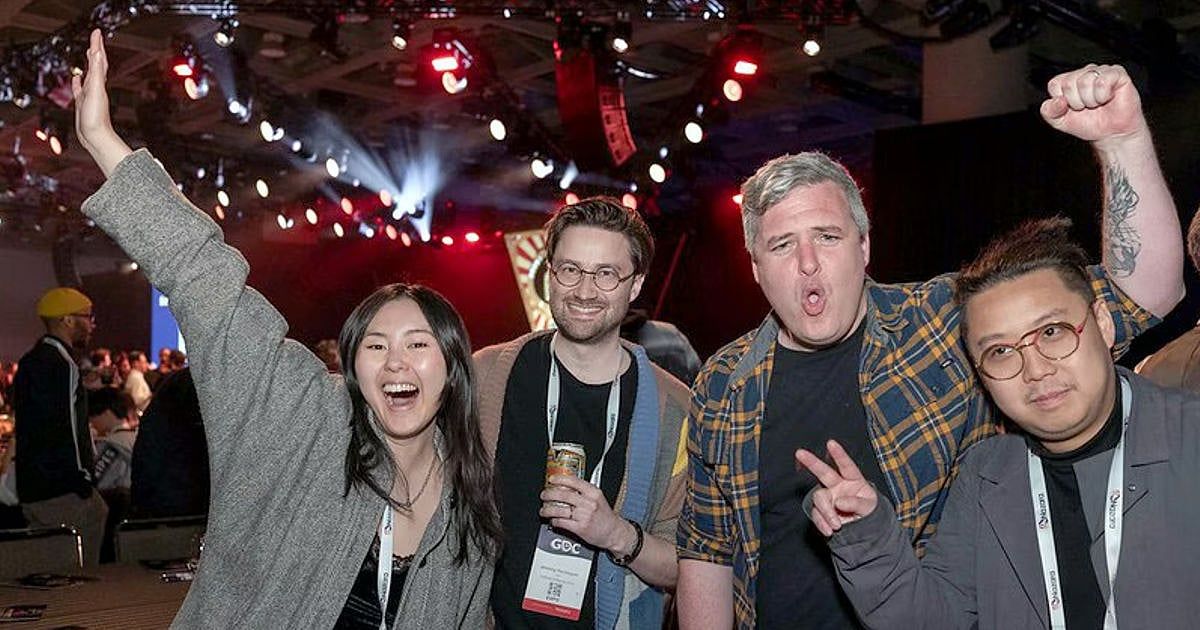
Image: respawn.outlookindia.com
Cologne has the date, the crowd, and the pressure
Gamescom 2026 now has the kind of concrete footing that publishers want before they commit major video game announcements: a full week in Cologne from August 24 to 30, Opening Night Live on August 25, and the public show running August 26 to 30, according to Niche Gamer and IGN’s Gamescom guide. GamesIndustry.biz also reports that Gamescom Dev begins the week on August 24 after being integrated into the wider Gamescom structure.
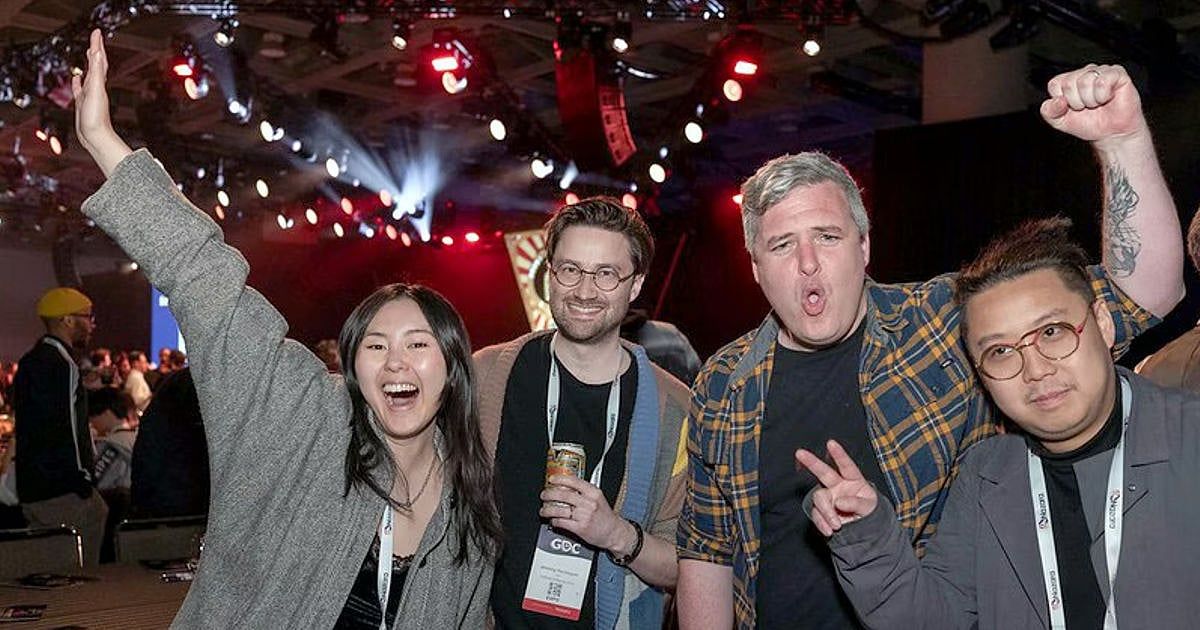
That schedule creates the central tension around this year’s gaming events 2026 calendar. GDC has already gone through a visible reinvention as the GDC Festival of Gaming, while GamesIndustry.biz’s interview with Gamescom leadership referenced a reported 30% attendance drop at GDC 2026 to 20,000 visitors. Gamescom, meanwhile, is talking growth. Tim Endres, director of Gamescom at Koelnmesse, told GamesIndustry.biz that early-bird exhibitor results were “excellent,” with exhibitors up by more than 15%, and said ticketing was also running well.
That does not prove a clean GDC-to-Gamescom migration. Endres was careful when GamesIndustry.biz asked whether people were skipping GDC and going to Gamescom instead, saying it was difficult to say and that Gamescom’s strength came from investment during the pandemic, relevant digital platforms, and a hybrid setup. Still, the industry does not need a perfect one-for-one transfer for Cologne to gain leverage. If publishers, developers, business teams, press, creators, and players are looking for a single late-year stage with scale, Gamescom 2026 is currently positioned like the strongest lane on the map.
GDC’s uncertainty is a signal, not a funeral notice
The GDC picture is more complicated than a simple decline narrative. Game Developer’s own wrap-up of the GDC 2026 Festival of Gaming described the show’s reinvention as complete and framed the on-site experience around interviews, indie games, talks, and informal development conversations. Its podcast introduction called the highs “mostly highs,” which matters because GDC’s value has historically lived in developer exchange as much as public spectacle.
The uncertainty comes from the event’s shifting identity and the attendance figure cited by GamesIndustry.biz, not from a sourced claim that GDC has lost industry relevance entirely. That distinction matters. For developers, GDC can still be the place for craft, hiring conversations, production lessons, and postmortems. For publishers trying to sell a fall lineup or reset a stalled marketing beat, Cologne offers a different weapon: public attention at scale.
Gamescom’s advantage in this moment is timing and audience composition. Niche Gamer notes that the late-August window gives publishers a platform before the final stretch of the year, especially for games targeting late 2026 and early 2027. That is close enough to launch windows for release dates, demos, PC requirements, monetization details, and platform commitments to matter. It is also far enough from the holiday pileup for a strong reveal to build weeks of momentum before buying decisions harden.
That is where the GDC gamescom comparison becomes useful. GDC can explain how games are made. Gamescom can force a studio to show whether the thing is landing with players.
The business layer is being pulled into the same arena
The biggest structural change for Gamescom 2026 is not a trailer slot. It is the tighter integration of the professional side of the week. Endres told GamesIndustry.biz that Devcom has become Gamescom Dev and is now fully integrated into the Gamescom ecosystem. He said the same stages will be used across Gamescom Dev, the political opening, and Gamescom Congress. He also pointed to Gamescom Biz, the digital business platform, as part of a setup intended to put business attendees under one roof without forcing them to choose between separate event tracks.
That is a meaningful shift for games industry events because it compresses dealmaking, developer programming, political visibility, and fan-facing marketing into the same week. A publisher can meet partners, put a game in front of creators, gauge crowd reaction, and then use Opening Night Live or the show floor to push a public message. A developer can come to Cologne for talks and networking, then walk directly into the market response around comparable games.
GamesIndustry.biz also reported that last year’s Cologne event attracted more than 350,000 visitors. IGN’s 2026 guide describes Gamescom as the world’s biggest gaming event and a major business platform for the international games industry, while also noting that the event reaches audiences on site and digitally. Those claims should be read as event-positioning language, but the scale behind them is still important. A reveal that works in Cologne can hit trade buyers, platform holders, press, creators, and fans during the same news cycle.
For shooters, competitive games, and live-service titles, that kind of compression can be brutal. If the servers, pacing, weapon feedback, or match flow look thin in a controlled demo, the audience will read it fast. If a build plays cleanly, the response can spread faster than a scripted trailer campaign.
The exhibitor list gives Gamescom platform weight
IGN’s Gamescom 2026 guide lists confirmed participants including astragon, Capcom, CD Projekt RED, Krafton, Nintendo, Team17, Ubisoft, and Xbox. The same guide says companies from more than 40 countries have already joined the lineup, with 23 country pavilions confirmed, including the United States, United Kingdom, France, Canada, Korea, Spain, Türkiye, Thailand, and others.
That confirmed spread is the clearest reason publishers may treat Gamescom 2026 as the year’s most important reveal stage. It is not only that individual companies are attending. It is that the platform-holder, publisher, indie, regional, and business layers are present in the same window. Xbox and Nintendo on the same exhibitor list gives the show console relevance. Capcom, CD Projekt RED, Krafton, Ubisoft, Team17, and astragon broaden the range from blockbuster publishing to simulation, indies, multiplayer, and licensed or mid-budget lanes.
The source material does not confirm what any of those companies will announce at Gamescom 2026. No reader should assume a specific sequel, port, DLC roadmap, or release date unless a publisher says it. The confirmed fact is attendance, not content. That is exactly where the pressure sits. A major company can show up with a safe booth and minimal news, but at a growing late-August event, silence becomes visible, especially for games that have been quiet for months.
Niche Gamer argues that players have become more cautious about pre-orders, live-service promises, and early access roadmaps. That is analysis from the outlet, but it tracks with the kind of information Gamescom is built to test: gameplay footage, hands-on reports, platforms, pricing, and release windows. In a year where attention is fragmented across streaming, esports, film, sports, and other entertainment spending, Cologne’s value is the ability to put a playable product in front of people who are ready to judge it.
Trailers will not be enough for shooters and live-service games
From a shooter desk perspective, Gamescom 2026 is where polished reveal language runs into the first real firefight. A cinematic can sell tone. It cannot prove recoil behavior, aim assist balance, map readability, audio priority, hit registration, tick stability, spawn logic, or whether a hero kit is already poisoning the meta. Those details are rarely confirmed in announcement copy, but they become visible the moment press, creators, or the public get extended footage or hands-on time.
Niche Gamer’s preview argues that players want release dates they can trust, gameplay that reflects the real product, and clearer explanations of what they are getting for their money. It also says the most valuable reveals may be the ones that include extended gameplay, hands-on impressions, platform confirmation, PC requirements, monetization details, and release timing. That is the correct checklist for any competitive or live-service project arriving in Cologne.
Publishers have incentives to hold back. A vertical slice can be safer than an open match. A trailer can hide UI, store tabs, battle pass structure, performance targets, and network behavior. But Gamescom’s public format works against over-controlled messaging. If a game is playable, the crowd will test the pacing. If it is not playable, the absence itself becomes part of the read.
That does not mean every game needs a public demo in August. Some projects are too early. Some reveals are designed to start a long campaign. The sharper question is whether the shown material matches the claimed launch window. A late-2026 shooter still relying on tone pieces at Gamescom is asking players to trust unseen fundamentals. A 2027 project showing real match flow, platform targets, and early systems has a cleaner pitch, even without a hard date.
Indies may benefit from the same pressure hurting bigger studios
Niche Gamer also points to smaller studios as a potential source of Gamescom’s strongest reactions, arguing that indie games can cut through a crowded show with a clear mechanic, strong art direction, or unusual story once players start sharing clips. That is interpretation, but it fits the event format better than the old assumption that bigger budgets automatically own the week.
A large publisher reveal carries baggage. Players bring expectations about monetization, platform parity, release timing, and franchise direction. A smaller game can win a tighter fight by putting one good idea in players’ hands and letting the build speak. Gamescom’s mix of public attendance and digital reach gives that kind of breakout a real lane. A short clip from a clever demo can travel faster than an expensive trailer that refuses to explain the game.
This is also where Gamescom’s international footprint matters. IGN’s guide notes that Gamescom Latam in São Paulo and Gamescom Asia x Thailand Game Show in Bangkok have become further international editions under the Gamescom brand. GamesIndustry.biz’s interview was conducted at Gamescom Latam and framed the wider Gamescom brand as a growing force. For developers outside the usual North American and Japanese announcement cycles, Cologne can be a bridge into a global audience without needing to dominate a platform-holder showcase.
The risk is overcrowding. A show with rising exhibitors and international participation can bury games that lack a clean pitch. For indies, the winning version of Gamescom 2026 is not a vague mood trailer. It is a playable hook, a short release window, a Steam or console page with useful details, and footage that lets viewers understand the loop in seconds.
How readers should watch Gamescom 2026 without getting baited
The confirmed Gamescom 2026 story is strong: the event runs August 24 to 30 in Cologne, Opening Night Live is set for August 25, Gamescom Dev opens the week, exhibitors are reportedly up by more than 15% in early-bird results, and IGN lists a lineup that includes major names such as Nintendo, Xbox, Capcom, CD Projekt RED, Krafton, Ubisoft, Team17, and astragon. The unconfirmed part is what those companies will announce, how playable those games will be, and whether Cologne will produce the release-date clarity players want.
For readers tracking video game announcements, the best approach is to separate stage presence from substance. A company appearing at Gamescom is useful information, but it is not confirmation of a specific game. A trailer with no platforms, no price, no release window, and no gameplay should be treated as early marketing. A demo with public impressions, PC requirements, monetization details, and a realistic date carries far more weight.
The GDC comparison should be handled the same way. GamesIndustry.biz’s interview gives us a sourced attendance concern around GDC and a sourced growth signal around Gamescom, while Game Developer’s wrap-up shows that GDC’s 2026 reinvention still produced developer-focused value. The shift is not that one event disappears and another replaces it. The shift is that Cologne currently looks like the sharper reveal venue for publishers that need public confidence before the year closes.
If Gamescom 2026 delivers real gameplay, credible dates, and clear platform plans, it can set the tempo for late 2026 and early 2027. If it leans too heavily on controlled sizzle reels, players will read that too. Cologne has the crowd, the calendar slot, and the business machinery. Now the industry has to bring builds that can survive contact.