
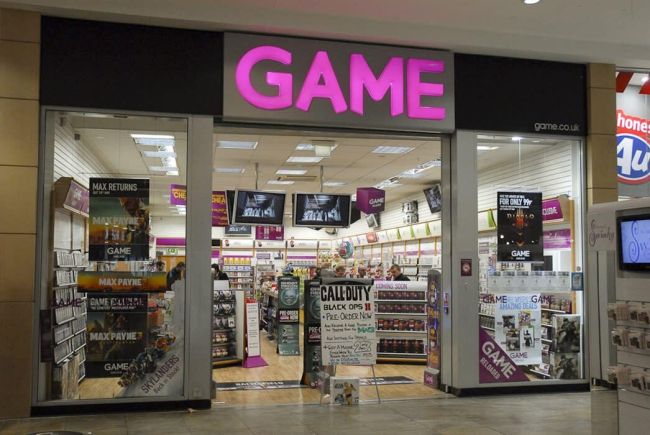

GAME Retail Limited entered administration owing £15.8 million. Here is what the debt report says, what remains unclear, and what UK customers should watch around stores, rewards, preorders, and online orders.
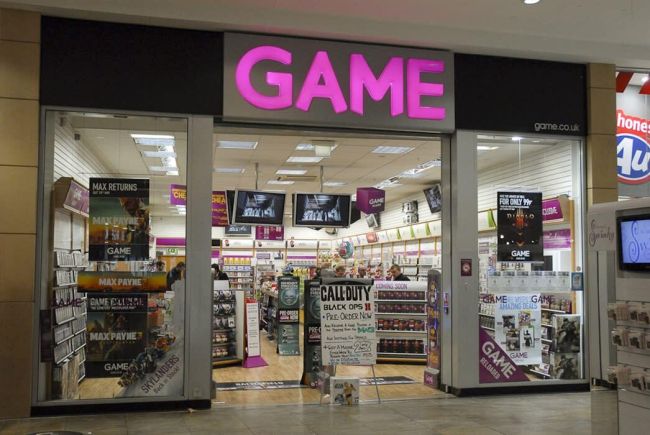
Image: gamereactor.eu
GAME’s collapse is now a creditor story as much as a retail story
GAME Retail Limited was placed into administration owing £15.8 million, with administrators warning that unsecured creditors may not be paid in full. That is the strongest concrete development in the latest UK video game retailer news: the famous high street name has moved from a story about shrinking shop floors and digital habits into an insolvency process where the remaining money has to be fought over in order of priority.
According to reports based on the administrators’ filing, James Saunders and Lauren Wentworth of KR8 Advisory were appointed joint administrators in April. The company owed £3.5 million to a secured creditor and £12 million to unsecured creditors when it entered administration. The Telegraph and Argus, The Northern Echo, The National, My Nintendo News, and GamingBolt all reported the headline debt at almost £16 million, with several citing the administrators’ report as saying creditors face losing around £12 million.
That figure is the pressure point. Administration does not automatically answer every consumer question, and it does not by itself explain what happens to every part of the GAME name. It does confirm that Game Retail Limited was no longer viable in the form being assessed by administrators. GamingBolt quotes the administrators’ conclusion that, after reviewing the company’s financial and operational position, “the business was no longer viable,” and that the secured creditor was “no longer in a position to support the ongoing funding of the company.”
For players, collectors, and parents used to treating GAME as the default stop for hardware bundles, launch-week discs, and trade-focused shopping, this is the moment where the old rhythm breaks. The sources do not provide a live customer-service policy for reward balances, outstanding preorders, gift cards, or online orders. They do, however, show that the company behind the retail operation had more debt than it could cover, and that unsecured creditors are exposed.
The numbers show a long decline rather than a sudden knockout
The administrators’ report, as quoted across regional outlets, frames GAME’s administration as the end of a long sequence of damage. The brand was established in 1990 and became one of the UK’s leading video game and console retailers. The quoted report says the company started trading in 2012 after acquiring the UK trade and assets of the former The Game Group Plc out of administration. Some reports describe the relevant acquisition or incorporation as happening in 2011, while the administrator quote used by multiple outlets says the company started trading in 2012. That distinction matters because GAME’s modern form was already born from an earlier rescue.
At the point of that acquisition, the business operated more than 300 retail stores and two e-commerce platforms under the Game and Gamestation names, according to the administrators’ quoted statement. The company then consolidated under the single Game brand and carried out a financial and operational review that closed some loss-making stores while also planning new openings.
The comeback did not hold. The Telegraph and Argus and The Northern Echo report that the business returned to profitability, but for the year ended July 2016 revenue fell 10 percent to £584 million, while profit before tax dropped 71 percent to £6.8 million. By the following year, turnover was £493 million and the company recorded a pre-tax loss of £7.1 million. By 2019, the reported loss had widened to £43 million on turnover of £423 million.
The administrators attributed the difficult market to changing consumer behaviour, including the transition from physical games to digital downloads, uncertainty linked to Brexit, and increased competition in the sector. GamingBolt also reports that the lack of major console releases since 2020 and global component shortages were cited among the reasons for the downturn. Put together, the picture is not a clean one-boss-fight defeat. It is attrition: fewer reasons to visit stores, fewer physical products carrying the business, tighter retail economics, and less hardware momentum after the last major console launch cycle.
Physical games lost the launch-night advantage that built GAME’s audience
GAME’s old strength was timing. A store chain with consoles on shelves and new releases behind the counter could turn a launch into a set-piece: posters in the window, queues at the door, trade-ins funding the next purchase, and staff acting as local guides through a crowded release calendar. The administrators’ reported reasons for the collapse point to that loop weakening over several years.
The clearest structural shift in the source material is the move from physical games to digital downloads. That does not mean physical games vanished overnight, and the sources do not provide UK unit-sales data for discs. But it does mean the retail model GAME was built around had less room to breathe. When customers buy games through console storefronts, PC platforms, subscription libraries, or direct publisher channels, the high street loses the moment of purchase. Once that happens, a games retailer has to make up the difference through hardware, accessories, collectibles, online sales, or being folded into a broader retail estate.
GamingBolt also places the collapse near another industry signal: the UK’s Entertainment Retailers Association condemned Sony’s reported plan to end production of PlayStation discs in January 2028. That Sony point is separate from the GAME administration report, but the timing underlines the same tension. Physical retail depends on physical product. If platform holders, publishers, and customers all move further toward digital distribution, specialist shops have less leverage.
The absence of a major new console release after 2020, cited by GamingBolt from the administrators’ account, matters for the same reason. Console launches are retail accelerants. They bring footfall, bundles, accessories, software attach rates, and upgrade decisions. Without a fresh hardware wave, a specialist games retailer has to keep fighting on a flatter stage, where every month depends more heavily on routine sales rather than blockbuster traffic.
The £16m debt matters because unsecured creditors are in the danger zone
The headline figure, often rounded to GAME £16m debt, is really two figures in one. The administrators’ report puts the total at £15.8 million, including £3.5 million owed to a secured creditor and £12 million owed to unsecured creditors. GamingBolt reports that KR8 Advisory expects to be able to pay back the secured creditor, but does not expect Game Retail Limited to be able to pay all unsecured creditors.
That distinction is the heart of the administration process. A secured creditor has a stronger claim against certain assets or recoveries. Unsecured creditors sit in a weaker position and are usually where losses become visible. The source reports do not list every unsecured creditor or identify customer balances as part of the £12 million figure. They also do not provide a confirmed recovery percentage for unsecured creditors.
For readers trying to make sense of the UK GAME retailer collapse, the debt matters because it limits clean outcomes. If a business has enough cash and assets to satisfy everyone, administration can be orderly. If it does not, the process becomes a triage operation. The administrators’ reported conclusion that the business was no longer viable and that the secured creditor could no longer support ongoing funding suggests the chain had run out of runway.
There is another layer of ambiguity around the GAME name itself. The Telegraph and Argus reports that Frasers Group later agreed to acquire the company’s intellectual property for cash consideration “to support the ongoing business and make payment of outstanding rent due on the head office.” GamingBolt similarly says Frasers Group agreed to acquire Game and its IP. The provided sources do not spell out how that IP position affects any future use of the brand after Game Retail Limited’s administration. In plain terms, the administration report tells us the retail company collapsed. It does not, from the supplied material, fully settle the future of the branding in every possible channel.
Store closures are the clearest customer-facing change, but the footprint is reported inconsistently
On stores, the source material is firm in one direction and messy in the details. The National reports that GAME closed the last of its high street outlets in February as it disappeared from high streets across the UK. That is the most direct customer-facing detail in the supplied reporting. If you were still expecting a traditional GAME shop to handle a preorder, exchange, return, or account issue, the reports point to that high street route being gone.
The historical store count is less tidy. Several outlets, quoting the administrators’ report, say the business operated more than 300 retail stores at the point of acquisition, alongside the Game and Gamestation e-commerce platforms. GamingBolt also refers to GAME once having 300 stores across the UK, including locations such as Glasgow and Edinburgh. The National says the company had stores across Scotland, including Glasgow, Edinburgh, Perth, Aberdeen, and Stirling, and “600 more UK-wide.” That figure is not reconciled in the supplied sources with the administrator quote about more than 300 stores at acquisition.
The safest reading is that GAME was once a large national retail presence, but the exact historical peak varies by report and context. The confirmed present-tense consumer takeaway from the supplied material is narrower: The National reports the last high street outlets closed in February, and the administrators were appointed in April.
That timing also explains why some headlines can feel out of phase. Gaming sites covered the administrators’ report in July as a fresh collapse story, while the regional business reporting says the appointment of administrators happened in April and the final high street shops had already closed in February. The new development is the debt picture and creditor exposure becoming public through the report, not necessarily a surprise overnight shuttering of every shop door.
Rewards, preorders and online orders need caution because the reports leave gaps
The practical questions for customers are the ones the supplied sources do not answer in full. None of the provided reports confirms the status of GAME reward points, gift cards, outstanding preorders, refunds, repairs, returns, or online orders after administration. None quotes a current customer-service statement from GAME, Frasers Group, or KR8 Advisory about how those cases will be handled.
That absence is important. Customers should not assume old store policies still apply after an administration filing, especially where physical branches are no longer available. Anyone with a live preorder, undelivered online purchase, store credit, reward balance, or unresolved return should preserve receipts, order numbers, emails, payment confirmations, and any account screenshots. The source material does not say those claims are part of the £12 million unsecured creditor total, so it would be wrong to report that they are. It is fair to say the administrators’ warning about unsecured creditors shows why customers should get written confirmation rather than rely on memory, social posts, or past practice.
Online orders need a separate check. The administrator quote says that, at the point of the 2012 trading start, the business had two e-commerce platforms under the Game and Gamestation names. The supplied reports do not explain the current operational status of any GAME website, who controls it, or whether online fulfilment is handled by the same legal entity now in administration. That is the key question before placing or chasing an order: which company is taking payment, which terms apply, and what support channel is responsible if the order fails.
For preorders, the safest reader guidance from the available facts is to treat every unfulfilled transaction as something that needs verification. Check the retailer account page, save the payment record, look for official administrator or company notices, and contact the payment provider if goods are not delivered within the promised window. The reporting does not confirm mass cancellations or a specific refund policy, so the responsible answer is vigilance rather than panic.
UK games retail now has to live without its old centre of gravity
GAME’s administration does not mean UK players have stopped buying games, and the sources do not claim that. It means the specialist high street model that once carried the country’s biggest games retailer has failed again under Game Retail Limited. For a medium built on sequels, relaunches, remasters, and second chances, the history is blunt: the GAME brand survived one administration-era reset around 2011 and 2012, rebuilt profitability for a time, then entered another administration with £15.8 million owed.
The wider consequence is a thinner physical retail landscape. If a local GAME was where a younger player first held a controller box, where parents compared console bundles, or where collectors browsed shelves before payday, that habit now has fewer places to happen. Digital storefronts are efficient, but they do not replace the discovery pattern of walking into a specialist shop and seeing the release calendar arranged in front of you.
There are still unanswered questions. The provided reports do not confirm the final recovery for unsecured creditors. They do not detail customer balances. They do not clarify how Frasers Group’s reported acquisition of intellectual property affects the brand’s future use. They do not give a definitive map of any surviving non-high-street GAME presence or online fulfilment structure.
For now, the confirmed story is stark enough. GAME administration has turned a familiar UK gaming name into an insolvency case, with almost £16 million owed and around £12 million of unsecured exposure reported. The old boss arena is empty, the lights are still on only where the paperwork says they are, and customers should move carefully until official notices answer the questions the debt report leaves open.