
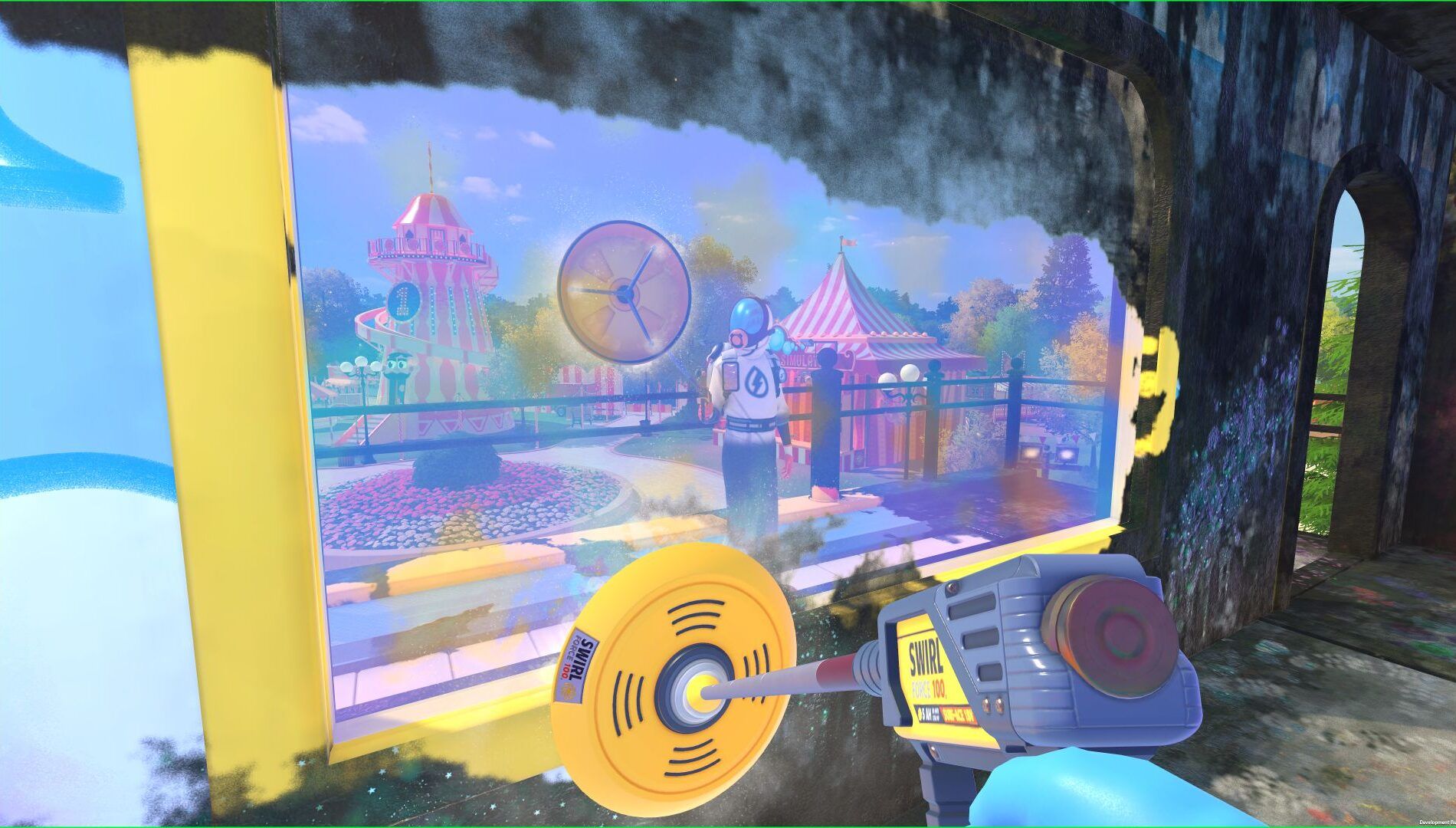

FuturLab has confirmed seven people left the PowerWash Simulator studio after it canceled an unrevealed non-PowerWash project, raising sharper questions about breakout indie studios trying to expand beyond one hit.
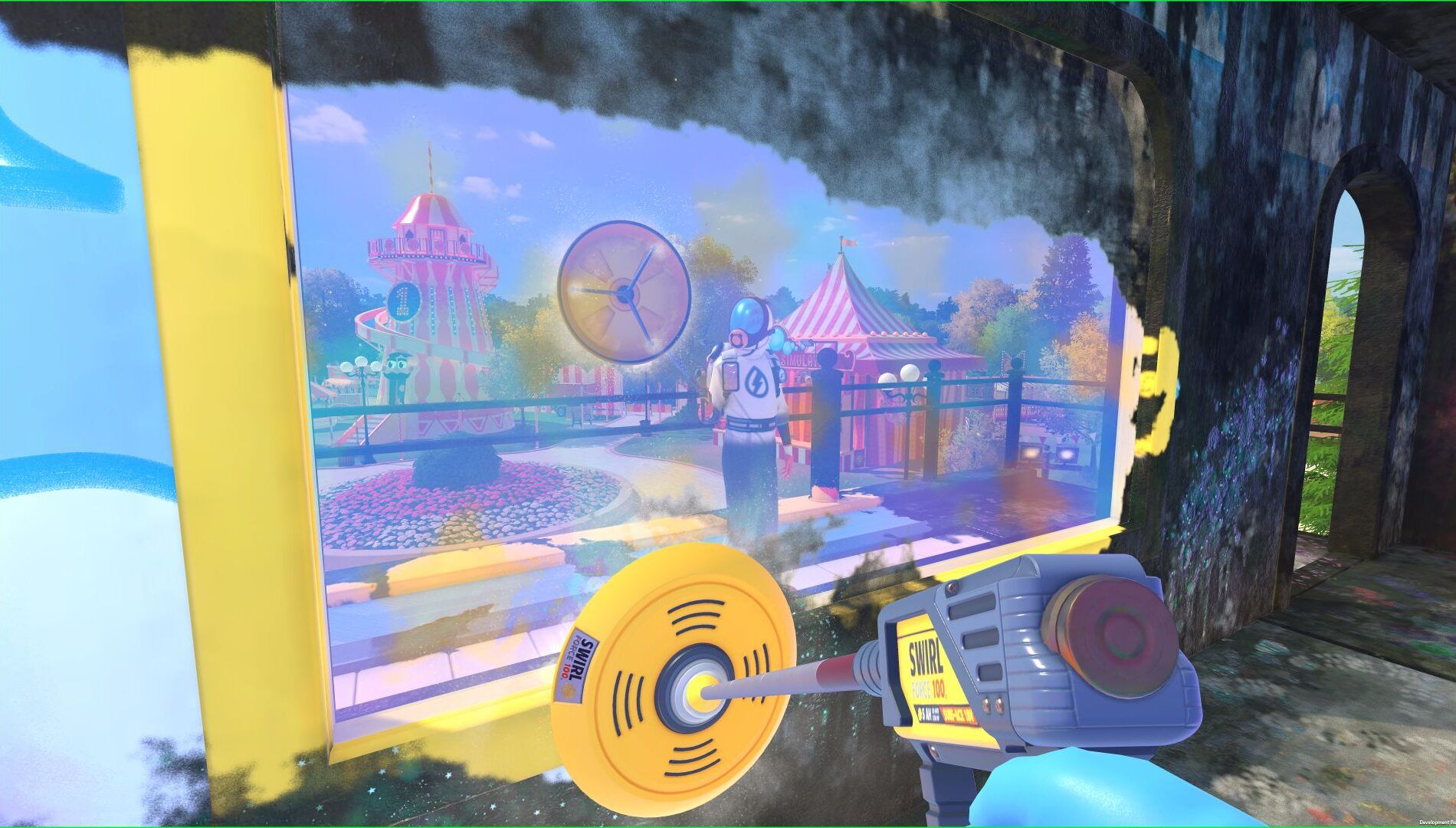
Image: news.xbox.com
FuturLab cuts follow a canceled project outside PowerWash Simulator
FuturLab has confirmed that seven people have left the business after the PowerWash Simulator developer canceled a new project unrelated to PowerWash. The strongest confirmed detail comes from CEO Kirsty Rigden’s statement to This Week in Video Games, also cited by GamesIndustry.biz and Rock Paper Shotgun: FuturLab canceled the project “while in pre-production” because “it would have cost us more than it was projected to make.”
That is the core business decision. The tension is everything around it. This Week in Video Games reported, based on anonymous sources familiar with the situation, that the project had been in development for two to three years, that its cancellation was announced internally in late June 2026, and that seven individuals were quietly laid off in late July. FuturLab confirmed the project cancellation and the number of people who left, but GamesIndustry.biz reported that Rigden would not confirm whether the departures were redundancies, citing “a confidential and legally binding process.”
So the confirmed record is narrow: a non-PowerWash project was canceled, seven people left FuturLab, and the studio says the decision was made after reassessing the project’s projected cost and return. The reported record, sourced to This Week in Video Games and repeated by other outlets, describes the departures as layoffs or redundancies and raises questions about how the studio communicated the process internally.
The reported timeline points to a messy off-ramp
According to This Week in Video Games, Rigden announced the cancellation in late June 2026. Sources told the outlet the project had been in development for two to three years. One source alleged that people working on it were “left hanging with no new work being assigned to them for weeks.”
The same report says seven people were laid off in late July. A source alleged that “managers and team leads were not informed that their direct reports were going to be away or why,” and that affected staff stopped coming to work without colleagues being told what had happened. This Week in Video Games also reported that, during an early August company meeting, COO Chris Mehers said FuturLab was undergoing a restructuring process.
The most striking reported detail is the language staff were allegedly told to use afterward. Sources told This Week in Video Games that employees were instructed not to refer to the departures as “redundancy” and instead to call the affected workers “the leavers.” Aftermath highlighted the same allegation in its coverage, framing it as part of a broader concern over how the cuts were handled.
FuturLab has not publicly provided the full internal timeline in the source material available. That leaves a split between what the company has confirmed and what employees reportedly experienced. For readers tracking FuturLab layoffs, that distinction matters because the existence of the canceled project and the seven departures is confirmed, while several details about communication, selection, and process come from anonymous staff accounts.
The official explanation is a risk calculation, not a creative one
Rigden’s statement puts the cancellation in financial terms. FuturLab, she said, canceled “a new non-PowerWash related project while in pre-production” because projected development cost exceeded projected return. “Continuing with it wouldn’t have been a sensible decision,” she told This Week in Video Games.
That phrasing is important. The available source material does not say the game was canceled because of quality problems, a failed pitch, publisher intervention, technical trouble, or platform strategy. No title, genre, publisher, budget, release window, or target platforms have been disclosed. The project remains unrevealed.
There is also a timeline ambiguity. Anonymous sources described the game as having been in development for two to three years, while Rigden described it as having been canceled “while in pre-production.” Those statements are not necessarily impossible to reconcile, since projects can spend years in concepting, prototyping, vertical-slice work, or pre-production planning before full production. But the sources do not define what FuturLab considered pre-production here, and the studio has not publicly detailed how much staff time or money had already been committed.
For a strategy read, the key phrase is projected return. FuturLab appears to have looked at the future cost of carrying the project to market and decided the probability-weighted upside was not strong enough. That is a hard pivot for any studio, but it is especially revealing for a developer whose public identity has become closely tied to a breakout success.
PowerWash Simulator 2 is being protected, according to the company line
Rigden’s statement says FuturLab is “fully committed to making [PowerWash Simulator 2] the best game it can be, while prototyping new ideas for future games.” This Week in Video Games reported that staff were told the affected roles were not required for PowerWash Simulator 2 and that the departures would not affect development on the sequel. Rock Paper Shotgun and GamesIndustry.biz both repeated that reported assurance.
That gives players one practical answer: the available reporting does not indicate a change to PowerWash Simulator 2’s development as a result of these cuts. The studio’s confirmed public position is that the sequel remains the priority.
It does not answer deeper production questions. The sources do not say whether the canceled project shared tools, pipelines, design staff, art support, publishing resources, or QA capacity with PowerWash Simulator 2. They also do not say whether FuturLab’s prototyping plans have been reduced, delayed, or reshaped after the cancellation. The statement says the studio is still prototyping new ideas, but seven people leaving a relatively focused studio changes capacity even when a flagship project is protected.
For PowerWash players, the guidance is straightforward: do not assume this report signals a delay or feature cut for PowerWash Simulator 2 unless FuturLab says so. For industry watchers, the more relevant question is how much future experimentation remains possible when the sequel is clearly the protected asset.
The two-project ambition ran into the post-hit indie problem
GamesIndustry.biz previously spoke with Rigden about FuturLab’s future, including the now-canceled project. In that earlier interview, she said the studio had “always tried to do two projects at once” and added, “We don’t want to just be a PowerWash studio... We’re always thinking about, ‘What else could we do?’”
That quote now reads as the strategic backdrop to the FuturLab canceled project. A breakout game creates options. It can fund hiring, attract partnerships, raise a studio’s profile, and buy time for a second pillar. It also creates pressure. The hit becomes the safest revenue engine, the most legible pitch, and the thing publishers, platform holders, licensors, and players already understand.
The risk for a breakout indie studio is portfolio balance. Stay too close to the hit and the studio becomes dependent on a single format. Move too far away and the next game must carry all the costs of discovery, marketing, staffing, and production without the same built-in audience. FuturLab’s confirmed explanation points to that exact equation: the non-PowerWash project was expected to cost more than it would make.
That does not mean the studio was wrong to try. It does suggest the market is punishing uncertainty. In the wider climate of gaming layoffs 2026, the projects most exposed are often the ones that sit between prototype enthusiasm and fully funded production confidence. A sequel to a known success can be defended. An unrevealed new game has to survive forecast models before players ever see it.
The unanswered questions are now part of FuturLab’s next phase
Several important details remain unannounced. FuturLab has not named the canceled game. The sources do not identify a publisher, genre, platform plan, budget, or intended release window. The company has not confirmed in the cited material whether the seven departures were redundancies, even though This Week in Video Games, Rock Paper Shotgun, GamesIndustry.biz, and Aftermath all covered the situation as layoffs or reported redundancies based on sources.
There are also internal process questions that the public record cannot resolve. Sources told This Week in Video Games that managers and team leads were kept out of selection decisions “to not give them any of the guilt,” and that the approach was intended to avoid employees facing “the stress of not knowing their job security for the two weeks of the process.” Those are allegations from staff sources, not a detailed public policy explanation from FuturLab.
What is clear is that FuturLab has narrowed its immediate risk profile around PowerWash Simulator 2 while keeping some space for future prototypes. That is a conservative move in portfolio terms: protect the proven lane, stop the project with unfavorable projections, and reduce staffing tied to work the studio no longer plans to ship.
The cost is human first, and strategic second. Seven people leaving is not an abstract spreadsheet correction. It also changes the shape of FuturLab’s creative bench at the exact moment the studio is trying to avoid being defined by one series. The next signal to watch is not a slogan about new ideas, but whether FuturLab can show a viable second path after PowerWash Simulator 2 without repeating the same risk cycle that ended this unrevealed project.