
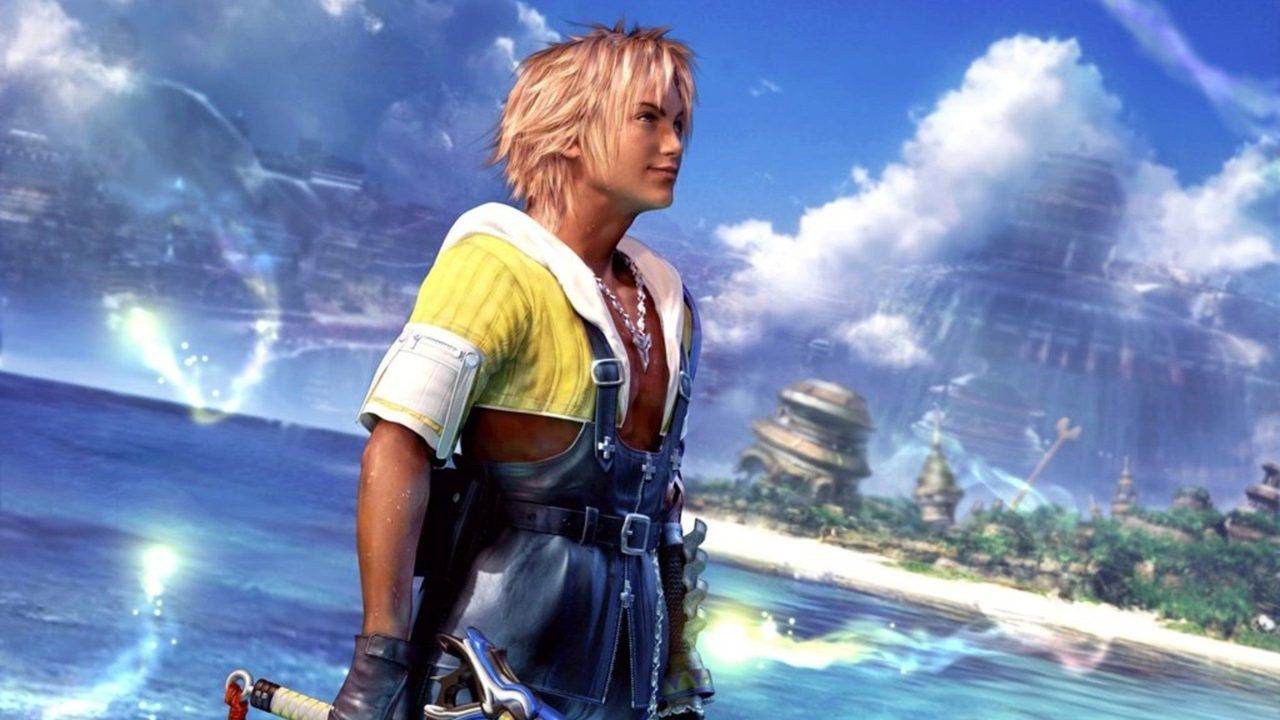
Yoshinori Kitase says Star Wars influenced Final Fantasy through Biggs, Wedge, and Final Fantasy 10’s Blitzball. The fresh reveal is how Podracing shaped a series mechanic, not a new theory about shared space-opera DNA.
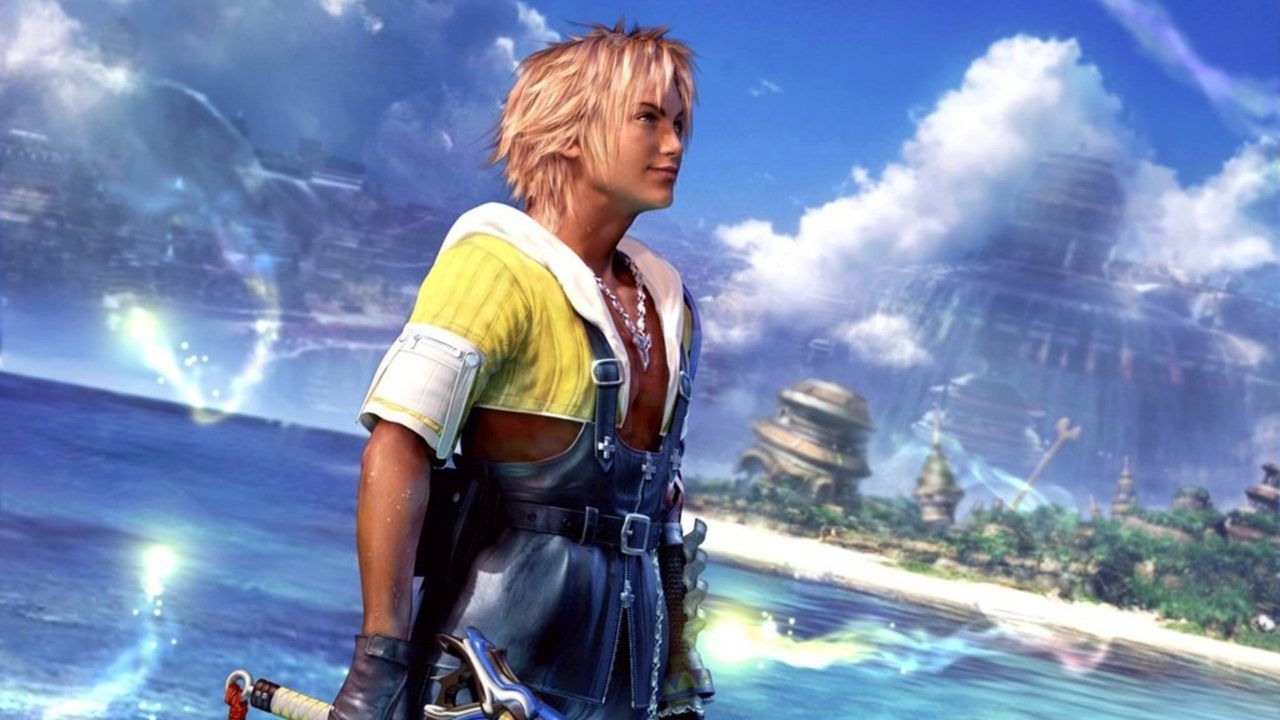
Image: adria.ign.com
Kitase’s clearest new link is Blitzball, not another fan theory
Longtime Final Fantasy producer Yoshinori Kitase has put a specific Star Wars credit on one of the series’ strangest and most memorable systems: Final Fantasy 10’s Blitzball. Speaking to IGN’s Michael Peyton at Lucca Comics & Games Festival 2026, Kitase said he drew directly from Star Wars: Episode I’s Podracing when he needed to create an in-world sport for Final Fantasy X.
The important part is the shape of the influence. Kitase did not say Blitzball copies Podracing’s vehicles, desert spectacle, or race structure. According to IGN’s interview, he pointed instead to “the fact of using sport inside a fantasy context” and said he took that idea directly from Star Wars. That distinction matters because it separates a confirmed development influence from the familiar fan habit of lining up every airship, empire, rebel cell, and heroic archetype across the two franchises.
Kitase’s comment gives Final Fantasy Star Wars inspiration a firmer design anchor than the usual comparison. It is not limited to names, tone, or cinematic sweep. In this case, Star Wars helped him solve a systems problem: how to make a fictional competition feel like a normal part of a fantasy society rather than a detached minigame dropped into the menu.
How Podracing becomes Blitzball in Final Fantasy 10
Kotaku’s report usefully frames how far Blitzball sits from Podracing at the surface level. Blitzball is played inside a hovering sphere of water, with teams fighting for possession and trying to score against a high-tech goal structure. Kotaku describes it as a hybrid of soccer and rugby, complete with collisions and special kick moves. Podracing, by contrast, is a high-speed race sequence in The Phantom Menace.
The bridge between them is worldbuilding through sport. In Star Wars: Episode I, Podracing makes Tatooine feel lived in because the race has spectators, celebrity competitors, local stakes, and social meaning. In Final Fantasy X, Blitzball functions similarly for Spira. It is a public spectacle, a career path, and a cultural fixture. Kotaku notes that it is central enough to Final Fantasy X to serve as the backdrop for the game’s opening FMV and as the main vocation of protagonist Tidus.
That is where Kitase’s comment becomes especially valuable for understanding Final Fantasy series mechanics. Blitzball is a system with its own rules, roster management, recruitment, and progression hooks, but it also carries story weight. Kotaku points out that NPCs met in the world can be recruited to the player’s team, and finishing at the top of the league is required to unlock a special late-game item. In RPG terms, the sport is a side system that pushes back into exploration, party-adjacent progression, and completionist routing.
The Biggs and Wedge reference is confirmed, but it was already the obvious one
Kitase also identified Biggs and Wedge as the most overt Star Wars nods in his Final Fantasy work. IGN reports that he cited the Final Fantasy 7 characters as being named after members of the Star Wars Rebellion. Tbreak’s account, also based on IGN’s interview, repeats that framing and calls the names the clearest references Kitase could think of.
That part of the Square Enix Final Fantasy interview will surprise fewer longtime players. Biggs and Wedge have been a long-running point of discussion precisely because the names are so plainly linked to Star Wars. The fresher insight is Kitase’s explanation of his restraint. According to IGN, he said he was careful not to lift too directly from Star Wars because the result could look like a copy rather than inspiration.
There is one small sourcing wrinkle worth spelling out. Insider Gaming’s write-up says Kitase referred to characters from Final Fantasy 6, while IGN’s source article identifies Final Fantasy 7, and Tbreak likewise names Final Fantasy 7. Because IGN is the outlet that conducted the interview and provides the quoted context, the safer reading is that the cited example in this interview is Final Fantasy 7’s Biggs and Wedge. Insider Gaming’s version appears to conflict with that detail, and the available source material does not include a direct quote resolving the discrepancy.
This came up because Final Fantasy is now someone else’s influence
The conversation did not begin as a Star Wars confession. IGN asked Kitase about Clair Obscur: Expedition 33 being heavily influenced by Final Fantasy. Kitase said he knew the game, had spoken with its creators, and was happy that a team inspired by Final Fantasy had used that influence to create something new.
That context changes the tone of the reveal. Kitase was not presenting Star Wars influence as a hidden key to decode the franchise. He was describing a creative cycle. In IGN’s quoted interview, he said he was inspired by movies when he was young, especially Star Wars, and used the things he liked to make his own games. He then connected that process to younger or newer creators drawing from Final Fantasy.
For RPG players, that is a useful lens. Final Fantasy’s identity has always depended on recombination: fantasy kingdoms beside machines, summons beside science fiction, playable systems embedded into towns, travel, and character arcs. Kitase’s remarks do not prove that every recurring imperial army or rebel theme in Final Fantasy came from Star Wars. They do show that at least some choices, from character naming to an entire sports framework, came from a creator translating a beloved film language into RPG structure.
Blitzball shows how Final Fantasy turns references into progression
The mechanical lesson is more interesting than the trivia. A reference can stay cosmetic, as with a name. Blitzball goes further because it becomes a playable economy of time, skill, and rewards. The player can treat it as spectacle, ignore much of it after the story requires attention, or engage deeply with recruitment and league play. Kotaku’s reminder that a late-game item is tied to topping the league explains why the system remains infamous among completion-focused players as well as beloved by fans who enjoy its odd rhythm.
From a systems perspective, Kitase’s Podracing comment points to a design pattern Final Fantasy often returns to: the side activity that teaches the player about a world’s values. Blitzball tells the player that Spira has crowds, heroes, teams, celebrity, ritual, and distraction. It also tells the player that Tidus arrives with a skill set the world can immediately understand, even before he understands the world around him.
That is different from saying Star Wars supplied Final Fantasy X with a minigame template. Podracing supplied a model for spectacle embedded in setting. Square’s designers then had to convert that broad concept into something compatible with Final Fantasy X’s pacing, character progression, and reward logic. The result is why the Final Fantasy 10 Blitzball Podracing connection now feels both surprising and sensible.
What is confirmed, and what remains fan comparison
Confirmed by IGN’s interview: Kitase says Star Wars influenced him when he was young; he is happy to see games such as Clair Obscur: Expedition 33 draw inspiration from Final Fantasy; he was cautious about borrowing too obviously; Biggs and Wedge are overt Star Wars-inspired names in his Final Fantasy work; and Blitzball drew from the idea of Podracing as a sport placed inside a fantasy setting.
Also supported by Kotaku’s report: Blitzball is a major Final Fantasy X feature rather than a throwaway diversion, tied to the opening, Tidus’s role, recruitable NPCs, league play, and a late-game reward. Kotaku also notes a neat cross-media echo: author Mike Chen name-dropped Blitzball in the Star Wars novel Brotherhood and later said on social media that it was a deliberate Final Fantasy reference.
Still unconfirmed by the provided sources: any broader claim that Star Wars directly shaped Final Fantasy’s empire stories, airship traditions, character arcs, or future projects. Those comparisons may be fair topics for fan discussion, but Kitase’s newly surfaced comments identify specific examples rather than a complete design lineage. IGN separately notes that Final Fantasy 7 Revelation, the conclusion to the remake trilogy, is set for April 8, 2027, while Tbreak cites a Square Enix press release listing PlayStation 5, Nintendo Switch 2, Xbox Series X|S, and PC. The Star Wars comments, however, are about past creative influence, not a tease for Revelation or a new crossover.