
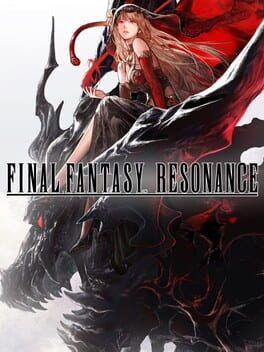
A buyer-focused Final Fantasy Resonance Switch comparison covering Switch 2 performance, Switch 1 tradeoffs, review scores, editions, and preorder bonuses before launch.
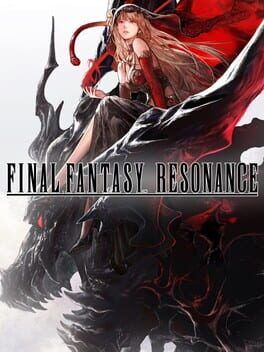
Image: IGDB
Store links: Final Fantasy Resonance on Steam
The same RPG content, but not the same purchase
Final Fantasy Resonance is launching on both Nintendo Switch and Nintendo Switch 2 with the same game content, but the versions are separated by a sharper technical and ownership split than that sentence suggests. Nintendo Everything reports that players are not missing any story or gameplay content by choosing one Nintendo version over the other. The practical difference is instead performance, image quality, loading, physical format, save handling, and whether buyers are committing to a native Switch 2 copy or a Switch copy running through backward compatibility.
That distinction matters because Final Fantasy Resonance is being positioned as a classic-style Final Fantasy return. Nintendo Everything’s review identifies Square Enix and Lancarse as the developers, Square Enix as publisher, and describes the game as a console rebuild of material based on the first story arc of Final Fantasy Brave Exvius, now presented with HD-2D visuals, voiced dialogue, and cinematic cutscenes. Nintendo Life’s review roundup similarly frames it as a throwback for players who miss turn-based Final Fantasy traditions.
For buyers, the tension is simple: if the content is identical, the cheaper or more collectible choice might sound safe. But early performance coverage from RPG Site and Nintendo Everything gives the native Final Fantasy Resonance Switch 2 version a clear advantage, while comparison listings warn that the Switch and Switch 2 versions are separate purchases with no announced upgrade path.
Switch 2 is the performance pick, with 60fps as the key divider
The most important confirmed technical split is frame rate. Nintendo Everything reports that Final Fantasy Resonance runs at 60 frames per second on Nintendo Switch 2 compared with 30fps on the original Switch. RPG Site’s full-game portable comparison reaches the same practical conclusion: the Switch 1 version remains capped at 30fps even when played on Switch 2 through backward compatibility, while the native Switch 2 version targets 60fps.
That is a meaningful difference for an RPG built around menu decisions, spell selection, turn order, and traversal rather than twitch action. A 30fps cap will not make a turn-based RPG unplayable, but it does affect how smooth exploration, camera movement, battle transitions, and HD-2D effects feel over dozens of hours. If Resonance becomes the kind of completionist RPG where players revisit towns, comb maps, and spend long sessions optimizing party roles, the smoother version is the one that will age better.
Resolution also favors Switch 2, though the sources are careful about the ceiling. Nintendo Everything says image quality is sharper on Switch 2 and notes the hardware difference between original Switch output, which maxes at 1080p docked and 720p handheld, and Switch 2, which can go higher. The outlet also reports that initial coverage indicates Resonance does not actually reach 4K on Switch 2. According to Nintendo Everything, UI elements are native resolution on Switch 2 while gameplay is sub-native. In practical terms, Switch 2 appears to be the cleaner version, but buyers should not interpret the Switch 2 label as a promise of native 4K gameplay.
Loading times make the native Switch 2 version easier to recommend
Load times are the other place where early coverage moves the comparison away from a simple frame-rate chart. Nintendo Everything cites RPG Site’s test showing the dashboard-to-title-screen load at 26 seconds on Switch 1 versus 11 seconds on Switch 2. RPG Site also reports that in-game screen transitions between areas take almost twice as long on the Switch version as on the native Switch 2 version, even when the Switch version is being played on Switch 2 hardware.
That last point is crucial for anyone considering a Switch copy as a flexible bridge purchase. Backward compatibility lets the Switch version run on Switch 2, but it does not turn that copy into the native Switch 2 release. RPG Site specifically says it could not recommend the Switch 1 version on Switch 2 for Final Fantasy Resonance because the Switch 2 version is better across the board.
Nintendo Everything adds one wrinkle: load times are described as pretty much identical if you are playing the Nintendo Switch version on Switch 2 through backward compatibility. Read alongside RPG Site’s fuller comparison, the safest interpretation is that backward compatibility does not deliver the native Switch 2 version’s main advantages. If fast transitions and smoother play are important, the native Switch 2 SKU is the safer buy.
Physical collectors face the hardest tradeoff
The biggest reason to prefer the original Switch version is not performance. It is ownership format. RPG Site reports that Final Fantasy Resonance is getting a proper physical release on Switch 1, while the Switch 2 version is a Game-Key Card. Nintendo Everything also flags the handling of the physical release as one of the relevant differences between versions.
For collectors, preservation-minded buyers, and players who strongly prefer a cartridge with the game data on it, that may outweigh the technical gap. But it comes with clear compromises: 30fps rather than 60fps, lower image quality, and slower loading in the comparisons currently available. A Switch cartridge also has the advantage of running on both original Switch hardware and Switch 2 through backward compatibility, which may matter in households with multiple systems.
The native Switch 2 version goes the other way. It is the better-performing version according to early coverage, but it is Switch 2 only and, per RPG Site’s physical-format reporting, uses Nintendo’s Game-Key Card approach. That means buyers need to decide whether their priority is the best portable play experience or the most traditional physical copy.
Upgrade path and save transfer are the risks to settle before starting
The Switch-to-Switch 2 decision becomes riskier if you expect to upgrade hardware soon. FFResonance.online’s comparison, citing Nintendo and Square Enix listings, says the Switch and Switch 2 versions are separate versions, not a universal SKU. It also says there is no announced Switch-to-Switch 2 upgrade pack, and that save data cannot transfer between the Switch version and the native Switch 2 version in either direction.
Because that information comes through a comparison page rather than a direct storefront excerpt in the provided source packet, buyers should still verify the current Nintendo eShop listing in their region before checkout. But the guidance is consistent with the performance reporting: buying the Switch version for use on Switch 2 is backward compatibility, not an automatic entitlement to the native Switch 2 edition.
The same comparison page lists an estimated file size of about 8.8 GB for Switch and about 12.7 GB for Switch 2, with a US Standard MSRP of $49.99 for each version and regional pricing subject to variation. It also notes that Digital Deluxe DLC is version-specific. If you care about save continuity, DLC entitlement clarity, or a clean long-term library, pick the hardware you expect to use for the full playthrough before you start.
Review scores suggest a strong RPG with a story caveat
The review picture is broadly positive, but not unanimous. HappyGamer reports that Final Fantasy Resonance sat at 85 on Metacritic and 84 on OpenCritic ahead of launch, based on a score roundup originally collected by Genki_JPN on X. That roundup included perfect scores from DualShockers, NintendoWorld Report, and HardZone, a 9.5 from Wccftech, and multiple 9s from outlets including Game Informer, RPGJeuxvideo, DayOne, Noisy Pixel, and Windows Central. It also included 6s from Eurogamer and VGC, which HappyGamer identifies as the lowest marks in the listed spread.
Nintendo Life’s Switch 2-focused roundup lands in a similar place but gives more texture. Nintendo Life awarded the game 8/10 and described it through reviewer Mitch Vogel as a strong return to an older style of Final Fantasy, while noting that the story was a little dry. In that same roundup, Game Informer gave it 9/10 and praised it for building from Final Fantasy history rather than simply raiding it. Vooks gave it 4.5/5, also flagging story limitations while praising the updates to the classic formula. GamesRadar+ gave it 4/5 and highlighted the HD-2D presentation. IGN gave it 8/10, positive on the old-school RPG revival while also underwhelmed by parts of the storytelling.
For a systems-focused RPG buyer, that pattern is useful. The highest praise appears tied to Resonance’s classic structure, HD-2D presentation, party-driven identity, and series nostalgia. The recurring reservation is story execution. If your Final Fantasy priority is plot ambition above all else, the 6s and the repeated story caveats are worth reading before purchase. If you are here for turn order, resource management, builds, exploration, and a polished old-school rhythm, the review scores indicate that many critics think Resonance delivers.
Editions and preorder bonuses should not decide the platform alone
The clearest edition breakdown in the provided sources comes from Gamepur’s Steam guide, so Nintendo buyers should use it as a bonus reference rather than proof that every regional eShop or physical offer is identical. Gamepur lists a Standard Edition at $49.99 and a Digital Deluxe Edition at $59.99 on Steam. The Deluxe version includes the Magitek & Grimoire Deluxe Pack, containing a Magitek Armor Key, Archwitch’s Grimoire, Mastery Ring, five Tents, five Mist Potions, five Mist Ethers, five Phoenix Downs, and three Remedies. Gamepur also notes that the pack is sold separately, so buyers should avoid purchasing it twice.
Gamepur says the preorder bonus is the Magitek Airship & Squire Starter Pack, which includes a Magitek Airship Passkey, Knight’s Greatsword, Chestplate of Preparation, Magicite Shard, three Tents, and three Mist Potions. The same guide describes it as preorder-exclusive. For late buyers, Gamepur lists an early purchase bonus called the Squire Kickstart Pack, with a Blessed Cuirass and a Mist Ether, available for purchases before November 6, 2026 at 8:59 a.m. PT.
Release timing has one source conflict. Nintendo Everything’s review lists the Switch and Switch 2 release date as October 22, 2026, and Nintendo Life also says the game arrives on October 22. Gamepur likewise says the Steam launch is October 22. HappyGamer, however, reports that Steam lists release for Friday, October 23. Treat platform storefronts as the final authority in your region, especially if you are chasing preorder cutoffs.
As a purchase recommendation, the native Final Fantasy Resonance Switch 2 version makes the most sense for players who own Switch 2 and plan to actually finish the RPG there. It has the 60fps target, sharper image quality, and faster loading reported by early comparisons. The original Switch version makes sense if you only own Switch 1, want a traditional physical copy, need one copy that can run on both Switch and Switch 2 through backward compatibility, or value cartridge ownership above performance. If you expect to move to Switch 2 soon, wait or buy the native Switch 2 version now, because the sources currently point to separate saves, separate DLC entitlements, and no announced upgrade pack.