
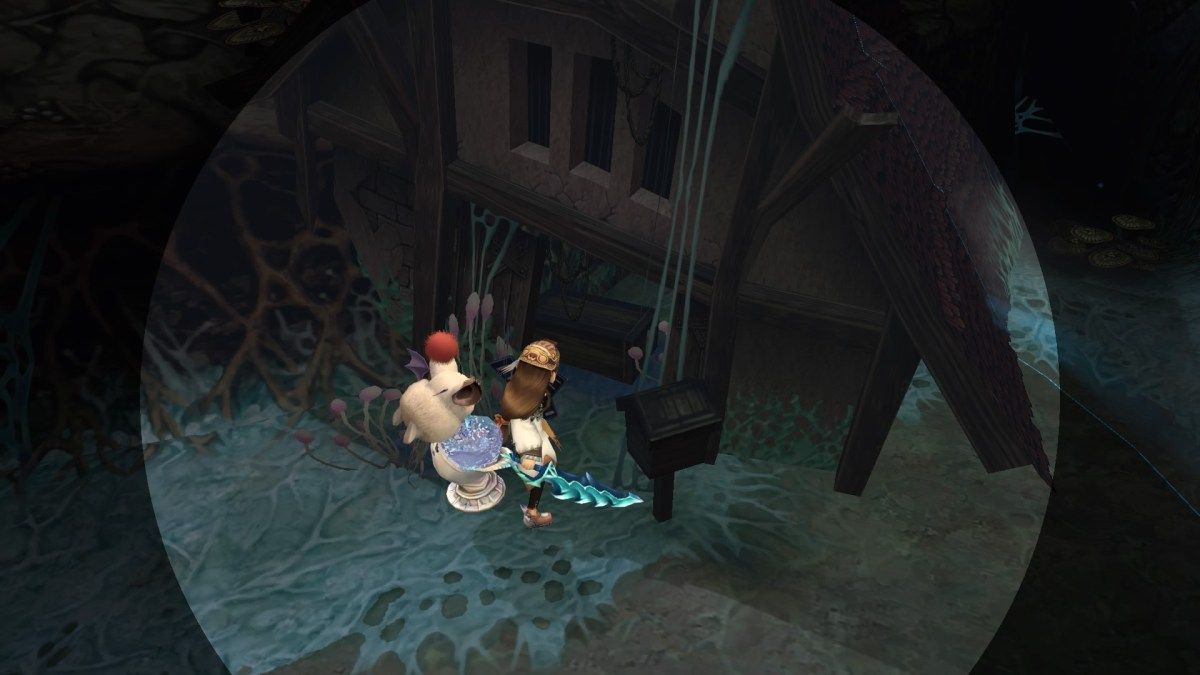

Kumi Tanioka says a Spotify album listed under her name, A Village Built on Wind, is not her work. Here is what is confirmed, why AI is suspected, and how Final Fantasy fans should treat it.
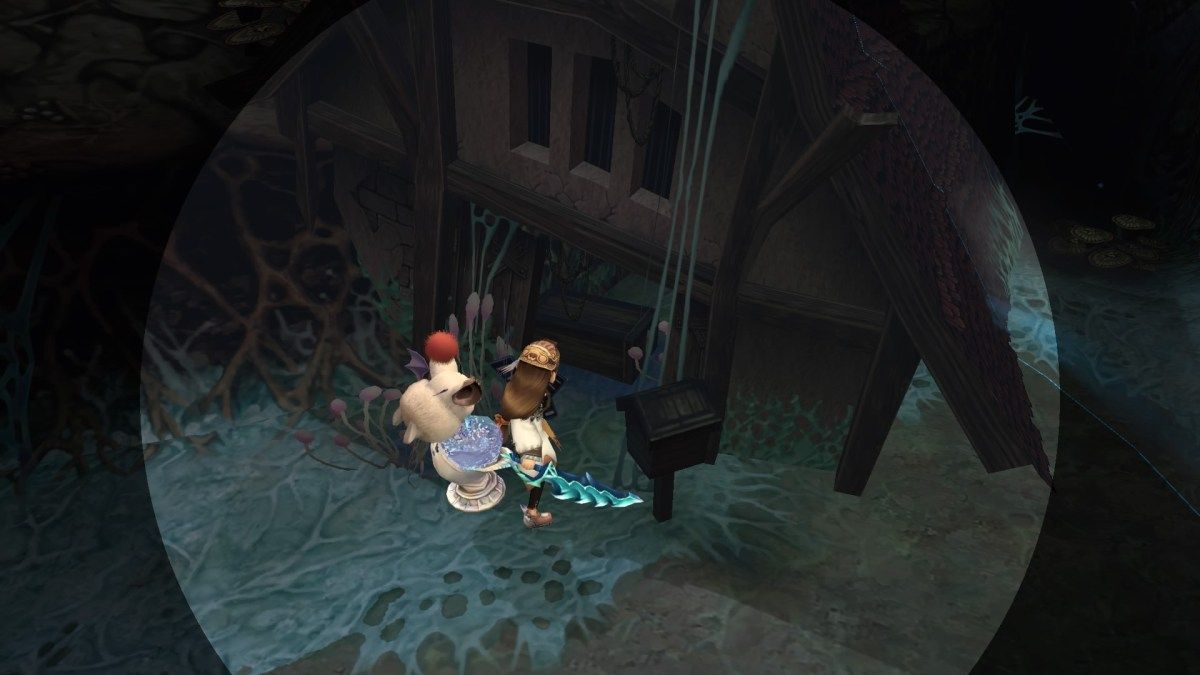
Image: siliconera.com
Kumi Tanioka says the Spotify album is not hers
Final Fantasy Crystal Chronicles composer Kumi Tanioka has publicly disavowed an album appearing under her name on streaming services, creating a fresh example of how messy official game music discovery can be on platforms built around artist pages and automated distribution.
The album in question is titled A Village Built on Wind. According to Rock Paper Shotgun and Eurogamer, it appeared on services including Spotify under Tanioka’s name. Tanioka addressed the listing on X on August 19, writing that an album she did not make was being distributed as “kumi tanioka” across various subscription services. In the same post, she questioned whether it might be AI, or perhaps the work of someone with the same name, but she was clear on the central point: “This album is definitely not something I made,” as translated by Eurogamer.
That distinction matters because Tanioka is not an incidental name in Final Fantasy music. She is credited as the composer of Final Fantasy Crystal Chronicles, the GameCube action RPG originally released in Japan in 2003 and internationally in 2004, according to the game’s public reference listing on Wikipedia. The remastered edition later arrived in August 2020 for Nintendo Switch, PlayStation 4, Android, and iOS. For players who remember Crystal Chronicles through its caravan structure, its miasma-threatened world, and its unusually intimate sound, a new album appearing under Tanioka’s name can look like a meaningful discovery rather than a random storefront error.
At this stage, the confirmed fact is narrower and sharper: Tanioka says she did not make A Village Built on Wind. The album’s appearance under her name does not, on its own, make it official Final Fantasy music, an official Tanioka release, or a Square Enix-connected album.
Why A Village Built on Wind is being treated as suspect
The AI suspicion comes from a combination of Tanioka’s own uncertainty and a follow-up statement from Digital Sonic Design, a company that has published some of Tanioka’s work. Rock Paper Shotgun reported that Tanioka asked whether the album was AI-generated or the work of someone with the same name. Eurogamer reported that Digital Sonic Design said the tracks did not infringe the copyright of Tanioka’s work, but still had the potential to confuse the public because they were falsely attributed to her.
Digital Sonic Design also pointed to YouTube Music, where the songs were labeled as AI-generated, according to both Eurogamer and Rock Paper Shotgun. That does not establish every detail of the album’s creation pipeline. It does mean there is at least one public platform label identifying the tracks as AI-generated, while the composer whose profile is being used says the music is not hers.
The distinction is important. This is not currently a reported case of someone uploading Final Fantasy Crystal Chronicles tracks and claiming them as new compositions. Digital Sonic Design’s statement, as reported by Eurogamer, said it did not find copyright infringement in Tanioka’s work. The problem described is attribution, identity, and public confusion. In game terms, the issue is less a stolen item in the inventory and more a corrupted label on the quest log: the object may not be copied from the original, but the marker can still send players to the wrong place.
Rock Paper Shotgun added that the album artwork appeared AI-like to its writer, but that is an observation rather than a formal determination. The stronger sourced claims are Tanioka’s denial of authorship, Digital Sonic Design’s warning about false attribution, and the YouTube Music AI-generated label.
The Spotify artist-page problem is bigger than one album
Eurogamer noted a particularly awkward part of the situation: Tanioka is a verified artist on Spotify, meaning the service has deemed her an authentic creator, yet the EP was still assigned to her artist page despite her apparently having no role in adding it. Rock Paper Shotgun also framed the incident as part of a longer-running problem where music by unrelated artists can be attached to established profiles.
That gap between verification and catalog control is the core tension. A verified page gives listeners a signal that they are in the right place, but it does not necessarily prove that every newly attached release has been approved by the person associated with the page. For video game music fans, who often search by composer rather than by album publisher, that weakness is especially risky. A player looking for Kumi Tanioka Spotify releases after revisiting Crystal Chronicles could reasonably trust the profile name and miss the absence of other official context.
Digital Sonic Design’s statement, as quoted by Eurogamer, described the case as one exploiting systemic vulnerabilities in streaming service platforms. The company also said past cases have involved unofficial unreleased tracks being recreated by ear and distributed, which has prompted it to consider some form of response. That comment widens the concern beyond generative AI. Even before the current AI wave, distribution systems could misfile, misattribute, or launder unofficial material through familiar names.
The result is a discovery layer that behaves like an RPG map with unreliable icons. The player sees the right town name, the right composer name, and a plausible fantasy-styled album title. The system gives enough signals to suggest legitimacy, while the rights holder and composer may not have approved the content at all.
Crystal Chronicles makes this confusion easier to believe
A Village Built on Wind sounds plausible because Final Fantasy Crystal Chronicles already has a strong association with wind, travel, villages, and folk-instrument textures in the minds of many fans. That does not make the album connected to the game, but it helps explain why a listener might hesitate before dismissing it.
The original Final Fantasy Crystal Chronicles follows adventurers traveling in a caravan to gather fuel for crystals that protect settlements from the destructive Miasma, according to Wikipedia’s description of the game. Its structure is built around journeys out from home, returns to safety, and the shared burden of protecting the crystal chalice during exploration. Its music has long been part of that identity. The Final Fantasy Wiki’s page for “Sound of the Wind” lists the theme’s appearances in Final Fantasy Crystal Chronicles, later Theatrhythm Final Fantasy entries, arrangement albums, and compilation appearances, reflecting how the game’s music has continued to circulate beyond the original GameCube release.
That context makes a suspicious album title like A Village Built on Wind feel algorithmically well aimed at the audience. It invokes a mood adjacent to Crystal Chronicles without being cited by the provided sources as a Final Fantasy album, a Square Enix release, or an official Tanioka project. The danger for fans is not that they cannot tell a mainline soundtrack from an unknown EP after careful checking. It is that streaming consumption often happens passively, through artist radios, profile pages, release feeds, and search results.
For a composer-driven fandom, where players follow names like Tanioka because they remember the emotional grammar of a soundtrack, a false attribution can distort the archive. It can put unrelated or AI-generated game music into the same progression path as official work, especially for listeners who are not cross-checking publisher credits every time a new album appears.
What is confirmed, and what remains unanswered
The confirmed story is limited but serious. Tanioka says she did not create A Village Built on Wind. The album was attributed to her on Spotify, according to Eurogamer and Rock Paper Shotgun. Digital Sonic Design said the tracks did not appear to infringe Tanioka’s copyrights, but could confuse the public because of the false attribution. The company also pointed out that YouTube Music labeled the songs as AI-generated.
Several important questions are still unanswered in the provided reporting. It is unclear who uploaded or distributed the album, how it became attached to Tanioka’s Spotify page, whether the name match was accidental or deliberate, and what specific process led YouTube Music to label the tracks as AI-generated. The sources also do not report a response from Spotify, YouTube Music, Square Enix, or the distributor behind the release.
That uncertainty should shape how readers talk about the album. Calling it a confirmed Kumi Tanioka work is wrong based on Tanioka’s own statement. Calling it official Final Fantasy music is unsupported by the sources. Calling it a likely AI-generated album is consistent with the reporting from Rock Paper Shotgun’s headline framing and the YouTube Music label cited by Digital Sonic Design, but the most careful wording is that the album is disputed, falsely attributed to Tanioka, and labeled AI-generated on YouTube Music.
For fans, the cleanest practical answer is simple: do not treat A Village Built on Wind as part of Tanioka’s official discography unless the attribution is corrected and confirmed by a reliable party. If you are searching for Final Fantasy Crystal Chronicles music, check for Square Enix context, known soundtrack titles, composer credits, and publisher information rather than relying only on a streaming artist page.
How Final Fantasy fans should search for official music now
This incident is a reminder that streaming services are convenient libraries, not flawless archives. That is especially true for Final Fantasy music, where official soundtracks, arrangement albums, piano collections, rhythm-game appearances, and composer solo work can sit close together in search results. The Final Fantasy Wiki’s listing for “Sound of the Wind,” for example, separates game appearances from arrangement album and compilation appearances. That kind of credit trail is often more informative than a platform tile alone.
When looking for Kumi Tanioka Spotify releases or Final Fantasy Crystal Chronicles music, the safest approach is to treat attribution as a stack of confirmations. The composer name is one layer. The album title, publisher, copyright line, associated franchise branding, and outside confirmation are the rest of the build. If several of those are missing, the release should be treated as unverified, especially when the composer has publicly said it is not theirs.
There is also a broader preservation concern here. Game music often carries memories of progression systems, towns, menus, fields, and late-game turning points. Players do not engage with these tracks as interchangeable fantasy ambience. They tie them to specific quests, places, and decisions. When AI generated game music or unrelated material is inserted under a known composer’s profile, it can blur the path back to the original work and mislead new listeners who are trying to explore a series through its music.
For now, A Village Built on Wind should sit outside the Final Fantasy and Kumi Tanioka canon unless new, sourced information says otherwise. The stronger lesson is that verified artist pages are not enough. For official Final Fantasy music, fans should follow the credits with the same patience they bring to a good RPG build: check the source, confirm the publisher, and do not spend trust on a listing that the composer herself has already rejected.