
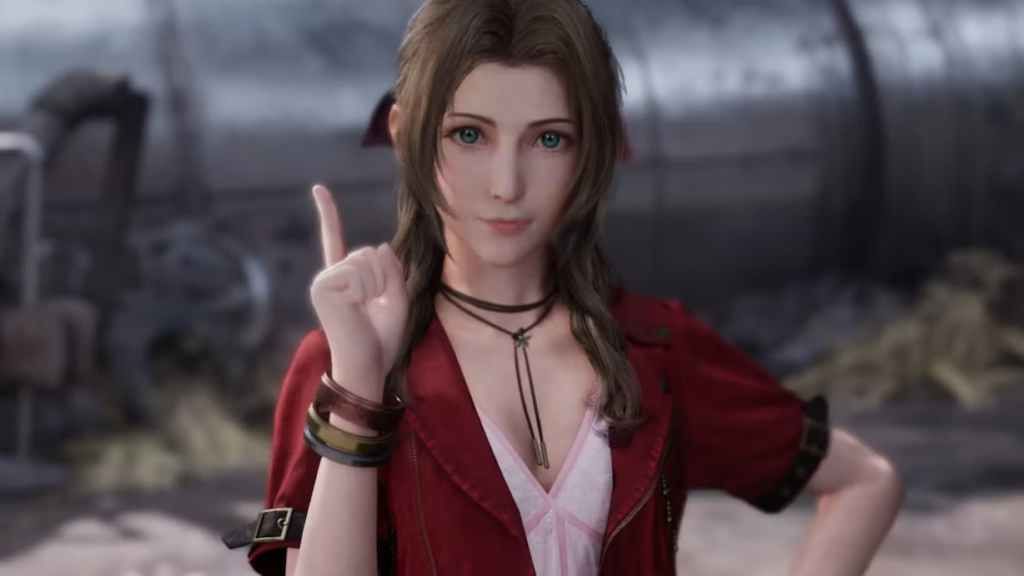

Yoshinori Kitase says Square Enix is more likely to fund new games after the Final Fantasy 7 Remake trilogy, even as Final Fantasy 6 remake demand exists inside the company.
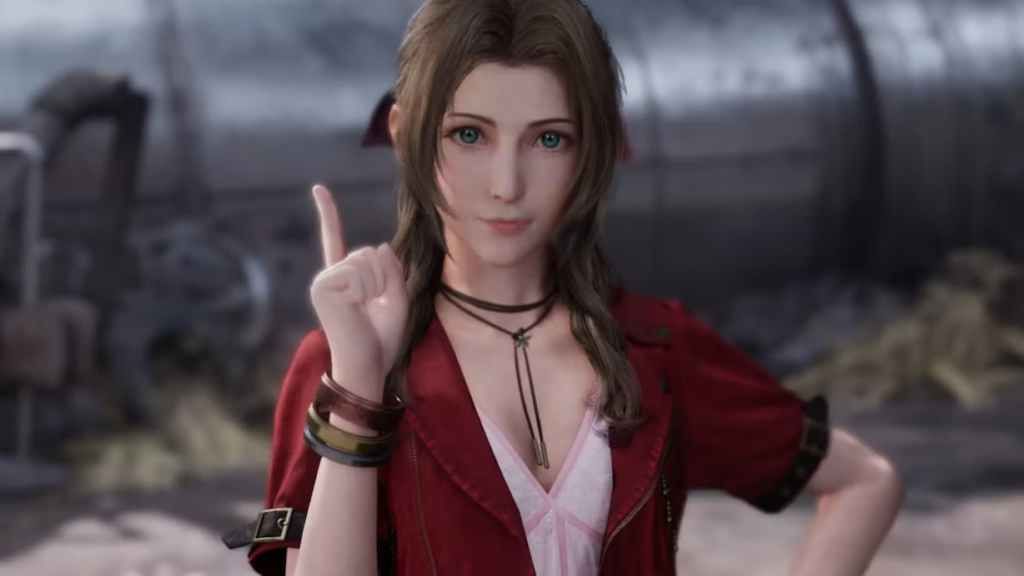
Image: comicbook.com
Square Enix is signaling a post-FF7 pivot, not a remake queue
The clearest new signal for Final Fantasy fans is not that Final Fantasy 6 is next. It is that Square Enix may be less inclined to keep feeding the remake pipeline once the Final Fantasy 7 Remake trilogy is finished.
In an IGN interview cited across GamingBolt, Kotaku, Push Square, One More Game, Destructoid, PlayFront, and ComicBook.com, Final Fantasy veteran Yoshinori Kitase said Square Enix is “more likely to invest in new titles and new games.” That answer came in the context of what the company might do after the Final Fantasy 7 Remake trilogy, a project Kitase has produced while also serving as a major steward of the wider brand.
The tension is immediate because Kitase also acknowledged that Final Fantasy 6 remains a loud request, both among fans and within Square Enix itself. Push Square quotes him as saying, “Inside the company and also among the Final Fantasy fans, there’s been many people asking for a remake of Final Fantasy VI, so who knows?” ComicBook.com framed that as renewed reason for hope, while also stressing that Square Enix has not announced such a project.
That distinction matters for a series whose audience is trained to read every producer comment as a possible party member joining the roster. What is confirmed is Kitase’s preference, or at least his stated expectation, that Square Enix new games take priority. What is unannounced is any Final Fantasy 6 remake, any development team, any budget, any platform plan, and any release window. The current picture is less a teaser for FF6 than a strategy note: Square Enix remakes may continue, but they appear to need special circumstances rather than nostalgia alone.
Why the Final Fantasy 7 Remake trilogy was treated as an exception
Kitase’s explanation for the Final Fantasy 7 Remake trilogy is important because it narrows the conditions under which another giant remake might happen. According to the quote published by GamingBolt and Destructoid, Kitase said the FF7 project was driven by creators who had worked on the original game and had “really strong feelings” toward it. Their goal, he said, was to create something new connected to the older title so new players could understand its appeal alongside longtime fans.
That is a very specific production recipe. The FF7 Remake future was not built around a simple asset refresh or a one-to-one preservation exercise. The trilogy expanded the original’s structure, added new elements, and treated the old story as material for a new, large-scale RPG project. GamingBolt describes Kitase as saying that this kind of case could still lead Square Enix to invest in remaking older projects, but his larger answer points to new titles as the main route forward.
For RPG players, that implies a useful rule of thumb. A remake at this scale needs a creative thesis. It needs developers with authority over the source material, a reason to change progression and scenario flow, and enough confidence that new combat, quests, and characterization can sit beside a beloved original without collapsing under comparison.
Final Fantasy 7 had those pieces. It had original staff involvement, a broad modern audience, and a world Square Enix could stretch across multiple releases. Final Fantasy 6 has a passionate following, but the sources provided do not confirm that Square Enix has assembled a comparable team, approved a comparable scope, or decided what kind of battle system or structure would fit it. Internal demand is meaningful. It is not the same as a green light.
Final Fantasy 6 is the obvious fan request, but the hard design question remains unanswered
Final Fantasy 6 is the name that keeps surfacing because it presents both the strongest appeal and the hardest development problem. Push Square reports that Kitase specifically named demand for a Final Fantasy 6 remake inside Square Enix and among fans. ComicBook.com points to the game’s ensemble cast, highlighting Terra, Celes, Locke, and Kefka as part of why the idea remains so potent for longtime players.
That enthusiasm is easy to understand from a systems perspective. Final Fantasy 6 is built around a large cast, shifting party identity, and character-specific combat roles. A modern remake would have to decide how to express that identity. Would it preserve turn-based command combat, move toward action, or build a hybrid system in the spirit of recent Final Fantasy entries? The supplied sources do not say, and Square Enix has not announced a design direction.
That silence is especially relevant because Kitase’s own stated interests appear to be elsewhere. Push Square reports that he said he does not believe he will work on a remake “anytime soon” and would like to spearhead something focused on “battle action” while retaining the qualities of a Final Fantasy story. PlayFront similarly reports that Kitase sees room for experimental combat systems without abandoning the series’ narrative DNA.
That creates a real fork for fans hoping for FF6. The community asking for a Final Fantasy 6 remake is not necessarily asking for one single thing. Some want a faithful modern version with quality-of-life improvements. Others imagine an FF7-scale expansion with new scenes and cinematic production. Still others may want a combat overhaul. Kitase’s comments confirm the request exists. They do not confirm that Square Enix has solved the design argument at the center of the request.
New games now look like the safer strategic answer, even if remakes feel safer commercially
On the surface, remakes look like the low-risk path. Final Fantasy has a deep back catalog, a devoted audience, and multiple classics that can still dominate conversation decades later. The FF7 trilogy showed that a legacy project can command major attention across a long release cycle. But Kitase’s comments suggest Square Enix is wary of turning that success into a standing mandate.
There are practical reasons for that caution. Destructoid notes that mainline Final Fantasy releases have slowed, with Final Fantasy 15 in 2016 and Final Fantasy 16 in 2023, while the FF7 trilogy has occupied major space with releases in 2020, 2024, and the concluding entry still ahead. Even when a remake performs well, it can shape the studio’s development identity for years. For a franchise built on reinvention, spending another long cycle revisiting the past could crowd out the next combat model, world structure, job system, or narrative experiment.
The sources also show Square Enix trying to work both sides of the ledger. Kotaku points to Final Fantasy Resonance as a 2D-HD project that reworks Brave Exvius while drawing on characters from across the franchise. Destructoid lists other recent Square Enix releases such as The Adventures of Elliot: The Millennium Tales and Bravely Default Flying Fairy HD Remaster as examples of how busy the publisher’s RPG slate remains. Those examples suggest Square Enix is not abandoning legacy material, but it may prefer a mix of original games, smaller-scale revivals, remasters, and selective experiments rather than another decade-defining remake commitment.
For players, the likely takeaway is patience rather than despair. Square Enix remakes are not ruled out by Kitase’s comments. They are being framed as exceptions that need the right creative support. That is a narrower lane than many Final Fantasy 6 fans want, but it may also protect the series from treating every beloved entry as a project that must be rebuilt at FF7 scale.
The FF9 shadow shows why rumors and internal demand are not production plans
The wider remake conversation is also haunted by Final Fantasy 9. GamingBolt notes that a Final Fantasy 9 remake was reportedly in development until work allegedly stalled, and that as of March 2026 it was described by an insider as “still on ice.” The same GamingBolt article says other reports claimed the project had been “very far along” before stalling. Square Enix itself, according to GamingBolt, has remained quiet on the matter.
That is a useful warning label for the Final Fantasy 6 discussion. A remake can be requested, rumored, partially developed, or internally advocated without becoming an announced product. Fans often experience those stages as momentum. Publishers experience them as options, pitches, resource conflicts, and budget decisions that may never leave the building.
Final Fantasy 6 currently sits even earlier in the public evidence chain than the reported Final Fantasy 9 situation described by GamingBolt. Kitase has acknowledged demand. He has not said a team is making it. Square Enix has not issued a title, trailer, logo, platform list, price, rating, or release window. No storefront listing or ratings-board entry is included in the supplied source material. There is no confirmed upgrade path, edition structure, or indication that the project exists in active development.
That does not make the idea impossible. It does mean fans should separate three different categories. Confirmed fact: Kitase says Square Enix is more likely to invest in new games and that FF6 remake demand exists inside and outside the company. Reported but unconfirmed context: Final Fantasy 9 remake rumors have circulated and allegedly stalled. Speculation: Square Enix might one day assign a different leader to a Final Fantasy 6 remake while Kitase pursues new work. Only the first category should guide expectations right now.
Release timing around FF7 Revelation is still messy in reports
The end of the Final Fantasy 7 Remake trilogy is the calendar event driving this discussion, but even there, the provided reports do not fully align on timing. GamingBolt says Final Fantasy 7 Revelation is set for April 7 and lists PC, PS5, Xbox Series X/S, and Nintendo Switch 2. Destructoid says the game drops this April and describes it as a 2027 title. Kotaku, however, says Revelation will launch “next January.” ComicBook.com also refers to the game releasing next year, in 2027.
Because those reports conflict, the safest reader guidance is to treat April 7 as a reported date from GamingBolt, not as a detail independently reconciled across all supplied sources. The platform list is likewise attributed here to GamingBolt. The broader point is consistent across the coverage: Revelation is being treated as the closing chapter of the trilogy, and Kitase’s comments are framed around what Square Enix does once that long project ends.
That platform spread, if accurate, would also fit the strategic pivot Kitase is describing. A concluding FF7 entry on PC, PlayStation 5, Xbox Series X/S, and Nintendo Switch 2 would give Square Enix a broad launch base for the trilogy’s finale before shifting attention to new work. It would also mean the FF7 Remake future is less about whether the trilogy continues and more about how Square Enix uses the audience it gathered through it.
For anyone deciding whether to wait for a Final Fantasy 6 remake announcement before committing to other Final Fantasy releases, there is no confirmed reason to do so. The announced and reported activity is centered on Revelation and Square Enix’s interest in new projects. FF6 remains a visible request, not a scheduled destination.
A healthier expectation: legacy ideas may feed new Final Fantasy projects
Kitase’s comments do not read like a rejection of Final Fantasy’s past. They read like a preference for using that past selectively. One More Game reports that Kitase discussed the franchise’s lasting strength in terms of characters and the way they evolve through each adventure, as well as the blend of European influences and Japanese creative sensibilities that gives Final Fantasy its identity. That kind of description points toward continuity through design language rather than continuity through remake volume.
He also left the door open beyond games. GamingBolt and Kotaku both report Kitase saying he would like to see future games or TV series inspired by Final Fantasy stories, while making no concrete announcement. Kotaku adds context that an animated Final Fantasy 9 adaptation had previously been in the works before the French production company involved filed for bankruptcy, according to Vice. Again, the pattern is possibility without a formal project.
For Final Fantasy fans, the useful posture is to watch for commitment signals. A producer saying “so who knows?” is not the same as a reveal. A remake rumor is not the same as a rating. Internal enthusiasm is not the same as a team entering full production. The strongest confirmed direction after the Final Fantasy 7 Remake trilogy is Square Enix new games, with remakes still possible when the creative case is strong enough.
If a Final Fantasy 6 remake ever happens, it will have to answer harder questions than whether players love the original. It will need to choose how to handle an ensemble cast, how to modernize combat without erasing the game’s party-building identity, and how much expansion the story can support. Until Square Enix says those questions are being answered in production, FF6 should be treated as a demand signal, while the company’s next real move appears to be forward.