
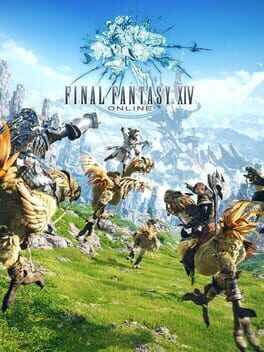
Breaking down Final Fantasy XIV’s unusual Shibuya Ward tax collaboration, the Megashiba and other in‑game rewards, how players are reacting, and why these real‑world tie‑ins keep the ten‑year‑old MMO feeling fresh.
Tokyo’s Shibuya Ward turning tax payments into a Final Fantasy XIV event sounds like a meme, but it is a real campaign that neatly shows how Square Enix keeps its decade‑old MMO relevant.
From the giant Megashiba mount inspired by Shibuya’s Hachiko statue to premium cosmetics bundled into a civic program, the collaboration is a strange mix of public policy, tourism promotion, and MMO fan service. It also fits cleanly into FFXIV’s long history of real‑world crossovers that reinforce the game’s community and “living world” identity.
What the Shibuya collaboration actually is
The campaign is built around Japan’s “furusato nozei” or hometown tax system. Residents across Japan can choose to send a portion of their income tax to a specific municipality, often their hometown or a place they like, and in return they receive a gift. Shibuya Ward is now one of those destinations, and its gift option for 2024 is a bundle of FFXIV digital items.
Square Enix’s headquarters are in Shibuya, which gives the partnership some local flavor. Instead of the usual boxes of wagyu or rice that other towns use to attract donors, Shibuya is dangling glamour sets and a very large digital dog in front of one of Japan’s most engaged gaming communities.
Donations are made through the standard furusato portals, and qualifying contributions tied to the Shibuya option return codes that can be redeemed for in‑game items on the Final Fantasy XIV Online Store. The collaboration is explicitly framed as supporting Shibuya’s local projects while also rewarding fans for choosing the ward as their hometown tax target.
All the in‑game rewards you can get
Reports from Famitsu and multiple English outlets outline six different optional item sets bundled into the Shibuya furusato program. Instead of a single code, donors can choose from several themed packs, all made up of existing cash‑shop items that normally cost real money.
The headliner is the Megashiba mount, a massive, fluffy dog modeled after a Shiba Inu. It nods to Shibuya’s most famous landmark, the Hachiko statue right outside the scramble crossing. In FFXIV this mount is already one of the more eye‑catching cash‑shop options, so tying it directly to tax payments gives the whole thing an almost surreal tone. Pay your taxes, ride a giant dog.
The collaboration does not stop at the mount. Donors can also receive five Phials of Fantasia, the consumable used to completely redesign a character’s appearance. For a game whose community spends hours in the character creator and runs entire social scenes around fashion, free Fantasia has a very real pull. A tax choice that translates into a fresh look in Dawntrail’s new zones is clever timing.
There are costume sets as well, most notably the Collegiate Attire, which comes in both masc‑ and femme‑coded versions. These school uniforms are among the more versatile glamour sets in the store and see heavy use in social hubs like Limsa Lominsa and Kugane. Shibuya’s nightlife and youth culture branding lines up naturally with collegiate fashion, so it is an easy fit for the ward’s image.
Rounding out the packs are the Magitek Attire costume and a bundle of four dance emotes. The Magitek outfit leans into classic Final Fantasy technology aesthetics, while the emotes expand the already rich library of dances that players use at in‑game clubs, weddings, and photo shoots.
Taken together, the rewards are not power boosts or rare raid drops. They are expressive, cosmetic items that sit right in the center of how FFXIV players actually spend their time between patches.
How players are reacting
Internationally, the first wave of reaction has mostly been disbelief mixed with envy. Headlines about “getting a dog for paying your taxes” spread quickly through social media and FFXIV communities, with non‑Japanese players joking about petitioning their own local governments to offer MMO rewards. Many see it as a quintessentially FFXIV story: wholesome, a little absurd, and firmly rooted in the game’s love of pets and fashion.
Japanese player reaction, cataloged in local reporting and translations, has been more practical but still amused. Some view it as a free upgrade on something they were already planning to do, since hometown tax contributions can be offset on income tax returns up to certain caps. Others are openly min‑maxing their tax planning, calculating which furusato gifts, including the FFXIV packs, give the best perceived value.
There is also some light skepticism, mostly centered on the idea of premium cash‑shop items being used for civic marketing. That concern is tempered by the fact that the items are purely cosmetic and that furusato gifts already range from luxury food to electronics. Compared to that landscape, a handful of digital glamour pieces fits surprisingly well.
Within the FFXIV community, though, the dominant tone is that this is yet another very on‑brand way for the game to intersect with daily life. Players are already sharing fan art of Megashiba riding past Shibuya Crossing or posing under the Hachiko statue, imagining photo ops that blend the city and the MMO.
Why a city‑level partnership like this makes sense for FFXIV
On paper, using a decade‑old MMO to promote a municipal tax program sounds like a stretch. In practice, both sides get a lot out of it.
For Shibuya Ward, the partnership taps into a dedicated audience that overlaps heavily with the ward’s existing identity as a tech and entertainment hub. Using a beloved online world to promote the hometown tax system modernizes a program that can otherwise feel bureaucratic and remote. It subtly says that supporting Shibuya means supporting the creative industries, studios, and workers who call it home.
For Square Enix and FFXIV, the benefits are different. The collaboration reinforces the idea that Eorzea is not isolated from the real world. Players have grown used to seeing FFXIV on billboards in Shinjuku or on convenience‑store shelves through prepaid cards, but watching the game show up in civic tax brochures is a new tier of visibility.
It also showcases the flexibility of optional items. Because the items involved are all store cosmetics, Square Enix can plug them into a campaign like this without disrupting game balance, while still offering something players genuinely want. The perceived value is high for fans, but the cost to the developer is limited to license management, distribution, and marketing.
With Dawntrail just having launched, a highly shareable, slightly absurd real‑world story doubles as soft marketing. News posts about Megashiba tax dogs inevitably mention the new expansion, level cap, and ongoing content cadence, reminding lapsed players that the game is in a healthy, active state.
Part of FFXIV’s broader real‑world crossover strategy
Treating taxes as a marketing channel is new, but real‑world tie‑ins are not new territory for Final Fantasy XIV. Over the years the game has partnered with fast‑food chains, snacks, energy drinks, and even real‑world concerts and fan festivals, often handing out mounts, minions, or cosmetic gear as redemption rewards.
What is consistent across these collaborations is the focus on community rituals. Eating a limited edition combo meal to earn a chicken mount or attending a fan festival to unlock an exclusive Moogle outfit plays into the same social loops as the Shibuya tax dog. The rewards become conversation starters that ripple through Free Companies, raid static groups, and role‑play communities.
The Shibuya program is a more civic‑minded evolution of that strategy. Instead of directing players to buy more consumer goods, it channels attention toward local government and public projects. It turns a mandatory, often stressful part of adult life into something that, at least for FFXIV players in Japan, comes with a side of delight.
For long‑running MMOs, maintaining a sense of cultural presence outside the client is increasingly important. When a game becomes a place where a group of friends has effectively lived for ten years, every billboard, branded snack, or hometown tax perk that references that place reinforces the feeling that their chosen world matters.
What it says about FFXIV’s player engagement
The Shibuya collaboration works because of who FFXIV’s players are and how they interact with the game. This is an MMO where players hold regular in‑game weddings, run fashion contests, open nightclubs, and schedule raid nights like weekly sports practice. Cosmetics, mounts, and dances are not side content. They are the connective tissue of the social graph.
By offering rewards that target appearance, expression, and social spaces rather than raw power, the campaign acknowledges that the heart of FFXIV is its community. Any player who goes out of their way to route their furusato taxes through Shibuya is likely to show off their Megashiba or new dances in front of friends and strangers, which in turn restarts the conversation, spreads awareness of the program, and strengthens player attachment to the game.
It is also a subtle expression of trust. A city government is comfortable partnering with an online game because FFXIV has earned a reputation for being safe, moderated, and emotionally resonant, backed by a development team that publicly emphasizes empathy and player wellbeing. That reputation makes it easier for more unconventional crossovers like this to get a green light.
In the end, Shibuya’s furusato collaboration is more than a quirky headline about paying your taxes to get a dog. It is a snapshot of how Final Fantasy XIV has grown from a rebuilt MMO into a long‑term cultural fixture, one that can sit comfortably beside civic campaigns, tourism pushes, and everyday life. As long as the game keeps finding ways to plug Eorzea into the real world without breaking its own identity, players will keep finding reasons to log in, saddle up their Megashiba, and ride into whatever comes next.