
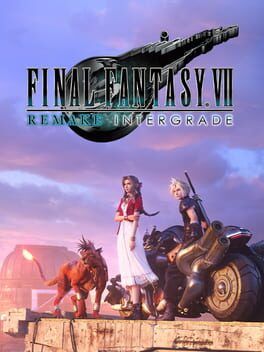
How Final Fantasy VII Remake Intergrade runs and looks on Nintendo Switch 2 in handheld and docked play, what the Limited Early Purchase Edition actually gives you, and how this port sets up the full Remake trilogy on Nintendo’s new hardware.
Now that reviews are out and the wait is finally over, Final Fantasy VII Remake Intergrade on Nintendo Switch 2 is no longer a hypothetical. It is a real, fully featured version of one of Square Enix’s best modern RPGs, and for many Nintendo players it is their first real step into the Remake trilogy.
This guide breaks down how the Switch 2 release actually feels to play, what you gain and lose compared to other platforms, which mode suits handheld or docked play, and whether the Limited Early Purchase Edition is worth grabbing before it disappears. It also looks at how this port fits into Square Enix’s broader plan to bring the entire Remake trilogy to Switch 2.
Handheld vs docked: how the compromises feel in play
Across reviews from outlets like GamingBolt, Kotaku and other early coverage, there is broad agreement on one core point: on Switch 2, FFVII Remake Intergrade looks far better than most people expected, but it is built very firmly around a 30 FPS target.
In docked play, Midgar’s slums, Shinra’s towering plate and the huge cinematic setpieces all look close to the PS5 Intergrade release in many scenes. Character models retain their high-detail faces and animations, particle-heavy attacks still pop off the screen and large vistas hold up surprisingly well. The most common visual blemishes are the same ones critics call out across multiple reviews: some distant textures can take a moment to resolve properly, and certain hairstyles have a slightly translucent look if you really stare.
The tradeoff for this visual ambition is performance. The Switch 2 version targets 30 frames per second and does not currently offer a 60 FPS performance mode. Reviewers consistently describe the frame rate as stable during normal play, with small dips mostly confined to busy cutscenes. That means the action feels responsive, but never quite as crisp as the 60 FPS performance mode on PS5.
In handheld mode the compromises are more noticeable if you are coming from high-end hardware, but the experience is still strong. The smaller screen naturally hides some texture issues and aliasing, which actually helps the illusion of near-PS5 quality assets. What you will feel more is the combination of 30 FPS action and the constant movement of the camera during frantic fights. The hybrid ATB and real-time system is still fully playable and enjoyable, but if you are sensitive to frame pacing you will likely see the difference most clearly on the handheld screen.
For many Nintendo-focused players who have not already played Intergrade elsewhere, the consensus from reviews is that these compromises feel acceptable. The combat system remains intact, boss encounters are still cinematic and demanding, and the game never drops low enough to feel broken. It is simply not as buttery as the 60 FPS versions on other platforms.
Best way to play: choosing how you split handheld and docked time
Because Switch 2 does a solid job of keeping image quality high, the usual portable recommendation is reversed here: if you are sensitive to motion and frame rate, you will probably prefer to play the biggest story beats docked on a TV.
Cutscenes, large boss encounters and busy city hubs show the benefits of running at the highest resolution the system can push. Reviews note that these sequences look "drop dead gorgeous" for a Nintendo platform, especially when the console has enough power to hold the 30 FPS line without obvious hitching.
Handheld play, by comparison, shines for slower exploration and side content. Walking through the Sector 7 slums, chatting with NPCs, cleaning up side quests or running battle intel fights all feel great on the smaller screen. The density of Midgar’s streets comes through clearly and the slightly softer image actually flatters the art direction.
If you intend to play the whole game on the go, expect the following:
Handheld strengths come from sharp character models and the cinematic presentation scaled down to a portable screen. Weaknesses mostly relate to the fixed 30 FPS target in a fast action system and the occasional moment where camera swings plus effects can feel a bit heavy.
Docked strengths are in raw visual spectacle, clarity of distant details and a slightly more consistent overall feel during large setpieces. Weaknesses are limited to the same issues reviewers point out elsewhere: no option to trade visuals for 60 FPS, and a few visual seams that betray this as a demanding console game being squeezed onto a portable chipset.
If you are coming from PlayStation 4 only, the Switch 2 version will still feel like an upgrade in asset quality and responsiveness. If you are coming from PlayStation 5 or a fast PC, expect a noticeable but manageable downgrade in motion in exchange for the flexibility of portable play.
What stays the same: content and systems
From a content perspective, Switch 2 players are not getting a cut-down version. Intergrade on Switch 2 includes the full Final Fantasy VII Remake campaign plus the Intermission episode starring Yuffie. All the story beats, side quests, combat options, and late-game boss gauntlets are present.
Reviews highlight that Square Enix has not tinkered with the core battle system for this port. Cloud, Tifa, Barret, Aerith and Yuffie all control as you would expect, with the same mix of character-specific abilities, ATB-driven commands and Limit Breaks. Boss fights still lean into big cinematic transitions and multi-phase patterns that reward good ATB usage and character swapping rather than pure button mashing.
Level structure and side content are also unchanged. The same chapters that felt a little stretched out in 2020 are still a bit long here. Familiar criticisms return about certain side quests that feel like simple errands more than meaningful character work. At the same time, the best story chapters and setpieces carry over too, and many reviewers still describe the narrative as a tour de force of reimagining the original Final Fantasy VII.
One small adjustment that several outlets note is a streamlined progression option. This exists to reduce grinding for players who are more interested in seeing the story and moving on to Rebirth. You will not miss important content by using it and it does not affect the core challenge of bosses so much as the pace at which you gain strength between big encounters.
Limited Early Purchase Edition: what you actually get
Alongside the standard digital and physical releases, Square Enix is selling a Limited Early Purchase Edition for Switch 2. Nintendo Life and other outlets have been reminding players that this promotion runs for a short window and is time-limited.
This edition is aimed squarely at early adopters and completion-minded fans. Typically, these offers focus on cosmetic bonuses and small in-game boosts rather than exclusive story content, and the Switch 2 release follows that trend. You can expect early access to a selection of summoning materia and items that help during the opening chapters, plus cosmetic or soundtrack extras that double as a small celebration of the series’ arrival on Nintendo hardware.
What you do not get is any unique chapter, character, or lasting gameplay system that will be unavailable later. If you miss the Limited Early Purchase Edition window, you still receive the full Intergrade package with the main game and Yuffie’s episode, and you are not locked out of any narrative arc that matters for Rebirth.
So who should care about this edition? If you love cosmetic items, want an easier early game thanks to bonus materia, or simply enjoy owning "first print" style releases, it is a nice perk. If you are price-sensitive and mainly want the story and combat experience, the standard edition will serve you just as well in the long run.
How this sets up Rebirth and the full trilogy on Switch 2
The Switch 2 Intergrade port is more than a one-off experiment. Square Enix has gone on record again reconfirming that Final Fantasy VII Rebirth and the currently untitled third entry in the Remake trilogy are both in development for Switch 2.
Director commentary reported by Nintendo Everything stresses that Rebirth and the finale are being planned so they do not feel compromised on Nintendo’s hardware. In practice, Intergrade is the proof of concept. It shows that the core visual style, combat and cinematic storytelling of the PS5 versions can be adapted without collapsing under the weight of cut content or intrusive cloud streaming workarounds.
There are still open questions. We do not yet know if Rebirth on Switch 2 will also lock to 30 FPS, what kind of visual toggles it will provide, or whether the open-area structure will force deeper cuts to foliage density or draw distance than the more linear Midgar. But Square Enix’s willingness to publicly recommit to the whole trilogy on Switch 2, rather than just one game, suggests internal confidence in how Intergrade turned out.
For players, this matters because starting the trilogy on Switch 2 now looks like a relatively safe bet. You are not buying into a stranded first chapter as happened in the past on other systems. Instead, the plan is clear: Remake Intergrade, then Rebirth, then the conclusion, all on the same piece of Nintendo hardware.
Who should upgrade to the Switch 2 version
If you have only ever played the original Final Fantasy VII, the Switch 2 port of Intergrade is a powerful way to see that story reborn with modern production values while staying inside Nintendo’s ecosystem. The sense of place in Midgar, the way the combat system bridges turn-based tradition and action, and the bold narrative twists at the end of the game all arrive intact.
If you played Remake on PlayStation 4 but skipped Intergrade and Intermission, Switch 2 offers a good excuse to return. You gain improved visuals over PS4, access to Yuffie’s story and the freedom to take the game handheld, at the cost of that 30 FPS cap.
If you already finished Intergrade on PlayStation 5 or PC at 60 FPS, the Switch 2 edition is more about flexibility and future-proofing your save within the Nintendo ecosystem than pure fidelity. The performance downgrade will be obvious, especially on a large TV. In return, you get what multiple reviewers call a visual and technical showcase for Nintendo’s hardware and the convenience of playing one of modern Final Fantasy’s best entries on the go.
In all cases, the most important takeaway from current coverage is simple. Final Fantasy VII Remake Intergrade arrives on Switch 2 as a complete, fully featured port that looks far better than a late-arriving multi-platform release has any right to, and it is the foundation for the rest of the Remake trilogy to follow. If you are planning to live that journey on Nintendo’s new system, this is where you start.