
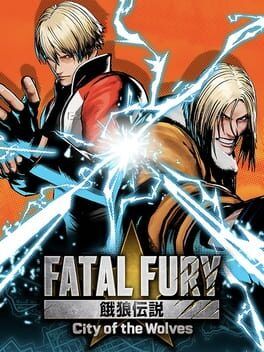
SNK brings Wolfgang Krauser to Fatal Fury: City of the Wolves while teasing a big anniversary update. Here is how the classic boss shapes the meta, why nostalgia matters, and whether the first-year content roadmap is keeping the fighter in the conversation.
Fatal Fury: City of the Wolves has settled into its first competitive year with a mix of bold new mechanics and careful fan service, and SNK’s latest move leans hard on both sides. Wolfgang Krauser is joining the roster on April 24 as part of Season Pass 2, arriving almost exactly one year after launch alongside a teased anniversary update that promises major changes.
For a series that came back after decades on ice, how SNK handles year one support is almost as important as the base game itself. Krauser’s arrival, plus the way SNK is packaging him, gives a clear picture of what the team wants City of the Wolves to be long term: a modern live service fighter that still understands the power of its legacy.
Krauser’s return, framed as a statement
Wolfgang Krauser is not just another downloadable character. He is one of the defining bosses of Fatal Fury 2, the “Emperor of Darkness” many players still associate with the golden era of Neo Geo fighters. Bringing him back in the first year of support sends a very specific message. SNK is treating City of the Wolves as the central stage for the wider Garou and Fatal Fury mythos instead of letting it live in a vacuum.
The new version of Krauser keeps his imposing presence. He returns after his presumed defeat at the hands of Terry Bogard, still seeking revenge and still towering over much of the cast. He is being introduced with his own Episodes of South Town chapter, which means he is not just a mechanical add on. His inclusion expands the single player narrative web and gives story focused players a reason to check back in, not just lab rats and tournament grinders.
This mix of nostalgia and fresh story content is key. City of the Wolves has already tapped into its history with fighters like Nightmare Geese and Blue Mary, but Krauser has a different energy. He is not a spin on an existing character or a guest from another franchise. He is a straight shot of Fatal Fury history, updated to fit the game’s aggressive, REV driven pace.
How Krauser fits into the current meta
Competitively, Krauser looks built to test the game’s balance philosophy. Early footage and previews underline a toolkit that leans into power over speed. His normals and specials have slower startup compared to rushdown mainstays, but the payoff when they land is huge. Stabs, slams, heavy overheads, aerial options and grapples give him reach and threat in almost every space on the screen.
This kind of design can be risky in City of the Wolves. The REV system encourages players to constantly pressure, cancel and stay on offense. A slower, powerhouse character has to be given the right tools to survive that kind of pace. From what SNK has shown, Krauser seems tuned as an imposing wall that punishes over aggression rather than a pure turtle. Well spaced stabs check approach, overheads keep defensive opponents honest and his grapples threaten those who simply block and wait.
If SNK nails that balance, Krauser could become a cornerstone for players who like authoritative control in neutral and the ability to end rounds quickly after a single mistake. He also offers a different learning curve for new players who might be overwhelmed by faster characters. Trading a little speed for big, clearly telegraphed payoffs can make him a satisfying entry point while still letting high level competitors squeeze out nuanced setups and frame traps.
The fact that Krauser arrives alongside other heavyweight names in Season Pass 2 such as Nightmare Geese, Blue Mary and Kenshiro from Fist of the North Star makes the roster feel more complete. It is not just growing in size but in archetype diversity, which is crucial for a game that wants to stay relevant on the tournament circuit and interesting for lab work months after release.
Nostalgia that actually matters
It would be easy to view Krauser’s inclusion as a simple nostalgia grab, but the way SNK is structuring his arrival suggests a more thoughtful approach. Tying him to Episodes of South Town means veteran players can see how this icon is recontextualized in a world where characters like Rock and modern Terry have already gone through their arcs. It also lets younger or newer fans meet Krauser for the first time in a way that does not require hunting down Fatal Fury 2.
The anniversary timing helps too. A first year birthday stream on April 23, followed by Krauser’s launch on April 24, wraps the update in a sense of celebration that goes beyond a mere patch drop. Expect the stream to showcase Krauser gameplay, breakdowns of his moves and an overview of upcoming balance tweaks and quality of life features.
If SNK can use the stream to tell a clear story about why Krauser matters and how he fits into City of the Wolves, it will reinforce the idea that this is a living platform where the legacy roster will continue to grow in smart ways, not just through random fan polls.
The teased anniversary update and post launch support
Krauser is the headline, but the anniversary tease might be just as important. SNK has described the patch landing around his release as a major update, and framing it during an anniversary broadcast implies more than a handful of bug fixes.
City of the Wolves launched with a strong core system and a visually striking style, but like any modern fighter it needs steady tuning. Players have been vocal about certain matchups, the power level of specific REV routes and the need for better onboarding for new blood. A first anniversary is the perfect moment for a broad balance pass, potential revisions to REV risk reward and new training or online features that smooth the learning curve.
SNK’s first year cadence has been fairly traditional but reassuring. New characters like Nightmare Geese and Blue Mary have arrived at a tempo that keeps the roster feeling fresh without overwhelming lab time. The addition of Kenshiro as a crossover pick signals a willingness to reach beyond SNK history and tap into broader anime fighting fandom, while Krauser pulls the opposite direction, deeper into Fatal Fury’s own past. That push and pull is healthy for keeping different corners of the community engaged.
If the anniversary update follows that pattern, players can reasonably expect a package that touches multiple parts of the experience. Character balance, online stability, Episodes of South Town additions and maybe even extra cosmetic or training content would all fit the “big update” label the teasers are hinting at.
Is the first year content strategy working?
Looking at the broader picture, SNK’s first year strategy for Fatal Fury: City of the Wolves appears to be doing its job. The game launched with solid critical reception and an enthusiastic competitive scene, but staying in the conversation requires regular reasons to come back. So far, SNK has delivered those reasons through a mix of new fighters, narrative content and system maintenance.
Season Pass 2 in particular shows intent. Instead of loading the earliest months with every big name and burning through the hype, SNK spaced its reveals in a way that lets each character live in the spotlight. Nightmare Geese had time to define his place in the meta, Kenshiro brought crossover eyes and discussion, Blue Mary re energized long time SNK fans and now Krauser arrives to cap off the first anniversary milestone.
The question is whether that momentum can carry into year two. The Krauser and anniversary update combo suggests SNK understands the stakes. If the patch can address community feedback, shake up the tier list without breaking it and maybe introduce a few system surprises, City of the Wolves should be well positioned going into its second competitive season.
As it stands, SNK’s support feels focused and responsive, not scattershot. Wolfgang Krauser’s return is more than a nostalgic cameo. It is a proof of concept that City of the Wolves can celebrate its history, expand its story and evolve its meta all at once. If that balance holds, the first year of support will be remembered not just as a return to form for Fatal Fury, but as the foundation for a long term fixture in the modern fighting game lineup.