
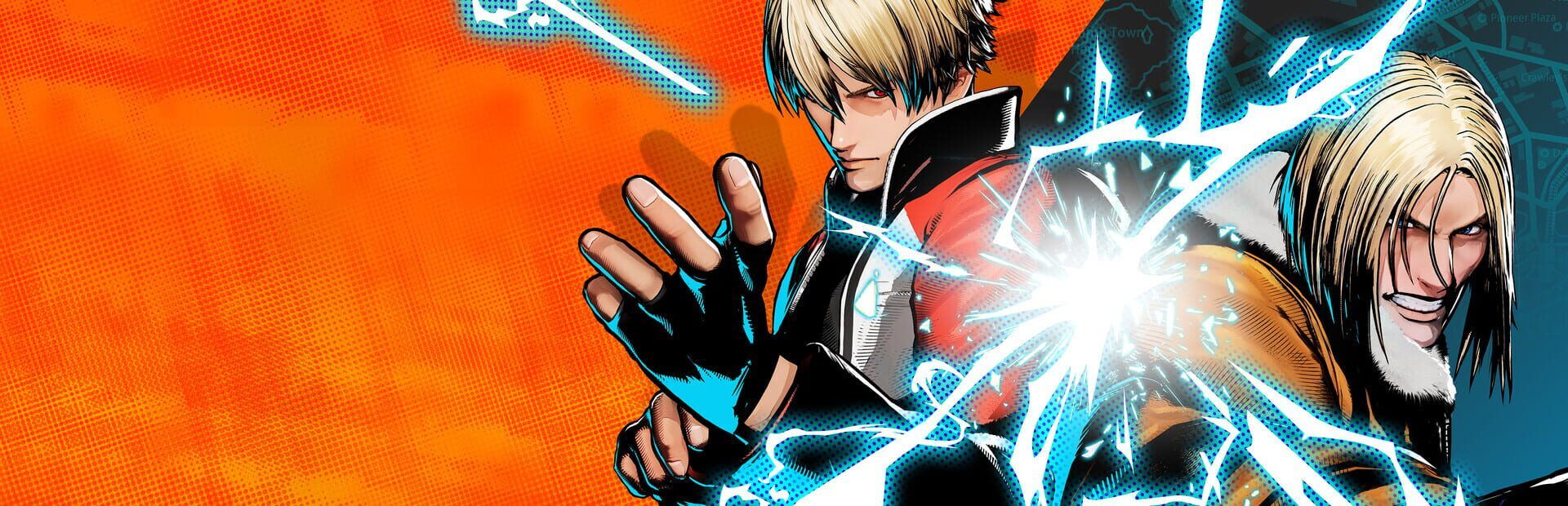
Previewing Kenshiro’s arrival in Fatal Fury: City of the Wolves, breaking down his moveset and visual design, and looking at how SNK’s guest fighters are reshaping the game for both competitive and casual players.
From Wasteland Wanderer To South Town Menace
“You are already dead.” That line alone makes Kenshiro feel like he has always belonged in a fighting game. With Fatal Fury: City of the Wolves, SNK is finally bringing the Fist of the North Star icon into South Town as a June DLC guest, and early footage suggests this is far more than a quick crossover cameo.
Kenshiro’s debut trailer immediately frames him as a natural fit for City of the Wolves’ offense-heavy meta. He walks in calm, measured, and terrifying, then explodes into precise Hokuto Shinken strikes that line up cleanly with the game’s focus on forward momentum and explosive conversions. For longtime Fatal Fury fans, he is a wild but thematically consistent addition. For Fist of the North Star fans, he is the most faithful playable Kenshiro we have seen in years.
Hokuto Shinken, Rebuilt For CotW’s REV System
City of the Wolves is built around the REV system, which rewards constant pressure, stance shifts, and calculated risk. Kenshiro’s moves lean into that philosophy. His attacks come out in tight, deliberate strings, often finishing on a pressure point jab that either causes a delayed explosion of damage or sets up a deadly follow-up.
In the gameplay trailer, Kenshiro repeatedly uses quick, short-range pokes to force blocks, then cancels into flurries of rapid strikes that mirror his iconic “atatatatata” barrages. These sequences appear designed to chew through guard while also draining the REV gauge strategically. Spend too much and you risk overheating, but in Kenshiro’s hands, the payoff is clear: one clean confirm into a Hokuto Shinken combo can erase a life bar.
Kenshiro also shows a surprisingly robust midrange presence. Several specials lunge him forward with a single, brutal body blow, ideal for whiff-punishing City of the Wolves’ big, committal normals. The trailers highlight him punishing extended limbs and unsafe projectiles with fingertip strikes to the chest, suggesting strong anti-zoning potential and a playstyle that thrives on opponents overreaching.
His supers are pure fan service with real mechanical teeth. One cinematic finish recreates the classic delayed-death sequence where the opponent stands frozen before detonating into a shower of damage. In practical terms, it looks like a high-damage ender that cashes out long confirms, but it also sends a clear message to the other player: once Kenshiro touches you, the round can be over before you realize what happened.
Recognizable Moves, Competitive Intent
The challenge with Kenshiro is obvious. SNK has to honor decades of manga and anime history while building a character who makes sense in a fast, REV-centric fighter. So far, the translation looks smooth.
Core Hokuto Shinken staples appear as distinct tools, not just flashy animations. Rapid jab barrages seem to function as frame-trap pressure that keeps opponents locked down at point blank. Single-palm thrusts double as combo starters and whiff punishers. His jump-ins are heavy and deliberate, designed to reward clean air-to-ground reads instead of brainless jump spam.
Importantly, Kenshiro does not look like a pure gorilla brawler. His movement appears measured rather than hyper-mobile, and he relies on well-timed buttons rather than overwhelming mix-ups. That focus should help him slot neatly into tournament play as a fundamentals-heavy character who rewards spacing, confirms, and meter management.
The delayed explosion aspects of Hokuto Shinken introduce unique mind games. When opponents know a single mistake can trigger a cinematic death, they tend to turtle or panic. Skilled Kenshiro players will be able to bait REV reversals, jumps, and desperate pokes just by existing at midrange with meter on deck. That psychological pressure is powerful in a best-of-three set, especially on a big stage.
Visual Design That Nails Both Series At Once
City of the Wolves has a bold, stylized visual identity with thick outlines, exaggerated impact frames, and intense color contrast. Dropping Kenshiro into that world could have gone wrong if SNK either softened him too much or leaned too hard into post-apocalyptic grit. Instead, they split the difference in a smart way.
Kenshiro keeps his iconic blue hakama-style outfit, exposed chest, and star-shaped scars. His musculature is exaggerated but not cartoonish, letting him stand shoulder to shoulder with Fatal Fury bruisers like Terry and Rock without losing his wasteland wanderer edge. The scars and stoic face are rendered cleanly enough that every close-up during supers feels like a panel ripped from the manga.
The animations sell his identity as much as the model. His walk is a slow, confident stride that contrasts sharply with the more athletic bounces of the native roster. Hit effects on Hokuto Shinken strikes are punctuated with sharp flashes and crackling aura, but they never overwhelm the screen. When he lands a finishing blow, the camera tightens, the sound dampens, and the opponent’s body language tells you everything even before the explosion.
Little touches go a long way. His pre-fight stares, win poses, and the timing of his famous catchphrases are all tuned to City of the Wolves’ pacing. He looks like he belongs in an SNK ring while still feeling unmistakably like the hero of Fist of the North Star.
Why Kenshiro Is The Right Guest At The Right Time
Guest fighters can be risky. Pick the wrong character or execute them poorly, and hardcore players see them as balance problems while casual players forget them after the initial hype. Kenshiro avoids those pitfalls by lining up with what City of the Wolves already does well.
Fatal Fury has always mixed grounded martial arts with over-the-top spectacle, whether through Geese’s counters or Terry’s screen-filling supers. Hokuto Shinken fits that tone perfectly. It is a serious martial art portrayed with absurd consequences, which matches City of the Wolves’ ability to make simple pokes feel world-shattering when REV and meter are involved.
From a competitive perspective, Kenshiro appears built for players who enjoy strong fundamentals with occasional explosive payoffs. He is not a complicated stance-heavy puppet fighter, and he does not rely on gimmicky teleport mix-ups. Instead, he offers clean buttons, punishing confirms, and high-stakes resource usage. That kind of design tends to age well in tournament play because it rewards lab time and matchup knowledge without overwhelming newer competitors.
For casual fans and anime heads, he is a gateway. Someone who has never touched an SNK fighter may show up just to play Kenshiro, then stay once they fall in love with the game’s systems and cast. That is the same crossover magic that helped titles like Tekken and Mortal Kombat pull in new audiences with carefully chosen guests.
Guest Fighters And The Future Of City Of The Wolves
Kenshiro is more than a marketing beat. He signals that SNK is comfortable treating City of the Wolves as a living platform that can host bold crossovers while still respecting its own identity.
The competitive scene benefits first. A well-designed guest character shakes up tier lists and forces players to revisit matchups. Zoners and defensive specialists in particular will have to rethink how they handle a character who can delete them off a single overextension. If Kenshiro is showcased at events like Evo shortly after release, expect to see a flurry of tech, counterpick strategies, and maybe even a few surprise bracket runs from players who lab him out early.
Casual play sees a different kind of upside. Online lobbies and local sessions stay fresh when new archetypes arrive. A character as iconic as Kenshiro encourages friends to hop back in, try out his supers, and trade clips of ridiculous Hokuto Shinken finishes. As long as the balance patches keep him from dominating ranked, he can act as a recurring hype generator without souring day-to-day play.
Most importantly, Kenshiro proves that SNK understands what kind of guest fighters work for City of the Wolves. They are not just chasing whatever license is trending, but choosing characters whose worldviews, fighting styles, and visual flair actually enhance South Town’s atmosphere. If future guests follow the same philosophy, City of the Wolves could quietly become one of the most interesting crossover hubs in modern fighting games.
Final Thoughts
Kenshiro entering Fatal Fury: City of the Wolves feels almost inevitable in hindsight, but the details matter, and so far the details look strong. His moveset respects Hokuto Shinken while embracing REV-driven offense. His visual design threads the needle between wasteland legend and SNK brawler. And his presence as a guest fighter is already expanding the game’s reach without diluting what makes it unique.
When he finally steps into the ring this June, South Town’s toughest have one simple warning to remember: by the time you realize Kenshiro has tagged your vital points, the round might already be over.