
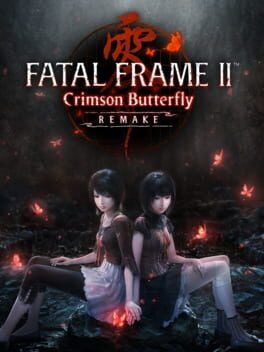

After two remasters tested the waters, Koei Tecmo is rebuilding Fatal Frame II: Crimson Butterfly from the ground up. Here is why it happened now, how it fits into the series’ quiet comeback, and what fans should realistically expect from this remake.
Koei Tecmo’s announcement of a full remake of Fatal Frame II: Crimson Butterfly is not coming out of nowhere. It is the culmination of a slow, deliberate revival of the series through remasters, a growing appetite for classic survival horror, and years of fans singling out Crimson Butterfly as the one they most wanted to see return.
In interviews with 4Gamer, translated and reported by Nintendo Everything and My Nintendo News, producer Hidehiko Nakajima and series creator Makoto Shibata laid out why now is the moment for a ground up revisit of Fatal Frame 2, and their comments say a lot about where the franchise is heading.
Why Koei Tecmo chose Fatal Frame 2 in 2026
According to Nakajima, the remake is a direct response to how players reacted to the recent remasters of Fatal Frame: Maiden of Black Water and Fatal Frame: Mask of the Lunar Eclipse. Those releases quietly tested whether there was still an audience for the series on modern platforms. The answer was yes, but the follow up question from fans was almost always the same: what about Crimson Butterfly?
Shibata explains that among all the feedback the team received after the remasters, the single most common request was specifically for a Crimson Butterfly remake rather than just another remaster or even a brand new sequel. Fans did not want a light touch. They wanted the series’ most beloved entry brought up to modern standards in a way that could stand beside today’s horror titles.
Internally, that sentiment was mirrored at Koei Tecmo. Many staff members, including younger developers who had grown up with the original, reportedly described Fatal Frame 2 as their favorite in the series. That internal passion, combined with the external pressure from fans, made it the obvious candidate. Shibata also notes that so much time has passed since the 2003 release that a simple resolution bump would not be enough. To present it to a new generation, the team felt it needed to be reintroduced as something new rather than simply resold as something old.
How the recent remasters paved the way
The path to Crimson Butterfly’s remake started with remasters, not with this project directly. Maiden of Black Water and Mask of the Lunar Eclipse arrived on modern platforms with upgraded visuals and quality of life tweaks, but they were structurally the same games. That run of remasters served a few key purposes.
First, they proved that Fatal Frame could still find a niche audience in a market now dominated by big budget action horror and indie psychological horror. Both releases attracted new players who had never owned the original platforms, especially on Switch and PC. Second, they gave Koei Tecmo practical experience in updating the series’ controls, lighting and camera work for widescreen displays and modern hardware. Those technical lessons are now feeding into a more ambitious project.
Just as importantly, those remasters acted as a survey. Sales data, social media feedback and direct fan messages made it clear that while players appreciated having the whole catalog more accessible, Crimson Butterfly was the emotional center of the series. When people talked about their first Fatal Frame, their favorite ghosts or the scenes that stayed with them for years, they were most often talking about the second game.
That is why this is not simply Fatal Frame 3 or a brand new entry. Koei Tecmo is leveraging the goodwill built by the remasters and then cashing in that interest on the one title with the broadest nostalgia pull.
The current survival horror moment
Koei Tecmo’s timing is also shaped by the broader horror landscape. Over the last few years, major publishers have proven there is strong appetite for high quality remakes of classic survival horror. Resident Evil 2, 3 and 4, Silent Hill 2 and Dead Space have shown that a faithful but modernized revival can sell to both older fans and players who never touched the originals.
Fatal Frame naturally fits into this trend but occupies a different tonal space. Where Resident Evil has leaned further into action and empowerment, Fatal Frame remains slow, vulnerable and sharply focused on ritual, grief and folklore. Crimson Butterfly in particular is a story about twin sisters, sacrifice and a village that feels as much like a mausoleum as a location.
With streaming culture still hungry for games that produce strong reactions, and with younger players seeking out horror that predates the jumpscare-heavy indie boom, Crimson Butterfly’s more suffocating, ritualistic style looks newly relevant. Koei Tecmo’s team appears acutely aware of this atmosphere. By choosing a full remake, they can present Fatal Frame’s distinctive camera based combat and slow burn dread in a package that will not feel archaic next to contemporary titles.
What fans should realistically expect
Koei Tecmo is describing this as a remake rather than a remaster, and the platform list makes that clear. Fatal Frame II: Crimson Butterfly Remake is targeting PlayStation 5, Xbox Series X|S, PC and Nintendo’s next generation Switch successor. That hardware baseline lets the developers pursue a more cinematic, physically grounded presentation without worrying about extremely old consoles.
In terms of content, fans should expect the core narrative and structure of Crimson Butterfly to remain intact. The core beats of Mio and Mayu lost in the abandoned village, the Camera Obscura as your primary weapon against ghosts and the gradual unspooling of the village’s ritual history are the heart of the game and the main reason fans pushed for this project. Shibata’s comments emphasize respect for what players loved, suggesting that the story will not be radically rewritten.
Where players are likely to see bigger changes is in the presentation and feel. The earlier remasters already showed Koei Tecmo experimenting with reworked controls, refined camera behavior and heavier use of lighting to guide the player and build tension. A full remake opens the door for denser environmental detail, more expressive character models and more convincing ghost animations, as well as modern quality of life options like configurable difficulty and accessibility settings.
At the same time, fans should temper expectations about large scale new content. The developers have not pitched this as a reimagining. It is unlikely we will see entirely new chapters that change the story’s outcome, and any added scenes will probably be there to flesh out existing characters and rituals rather than to steer the narrative in a new direction. Think of it less as a reboot and more as the definitive edition that tries to feel like how you remember the original, not how it actually looked and controlled in 2003.
Platform wise, a simultaneous release across high end consoles and PC, plus a next gen Nintendo system, signals that Koei Tecmo views this as a serious global push, not a niche side project. That aligns with Nakajima’s remarks about wanting to respond to worldwide demand and introduce Crimson Butterfly to players who may have discovered the series only through Maiden of Black Water or Mask of the Lunar Eclipse.
What this means for Fatal Frame’s future
Crimson Butterfly’s remake is both fan service and test case. If it performs well, it will validate Koei Tecmo’s decision to invest in a full scale rebuild of a classic survival horror game and could set the stage for either a new entry or similar treatment for other fan favorites in the catalog. If it underperforms, the series may retreat back into occasional ports and cameos.
For now, though, the message from the developers is clear. The remake exists because players kept asking for this specific game, at this specific level of ambition, and because the recent remasters and the wider horror market convinced Koei Tecmo that the timing was finally right. Fatal Frame has always been a quieter series, built on whispers and stillness rather than explosions. A carefully crafted remake of its most cherished chapter might be exactly how it finds its voice again on modern hardware.