
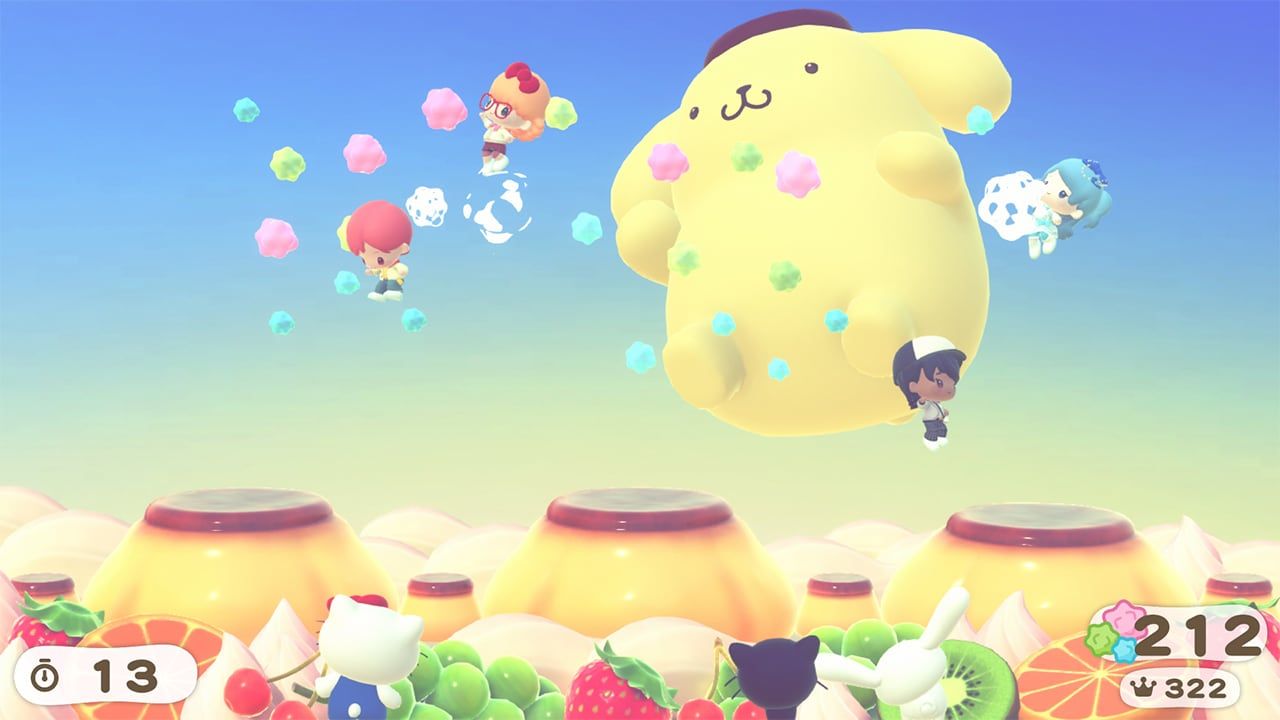

Famitsu’s October 24, 2026 review scores give Hello Kitty Party Land its first verdict, with cooperative Sanrio party play landing at 32 out of 40.
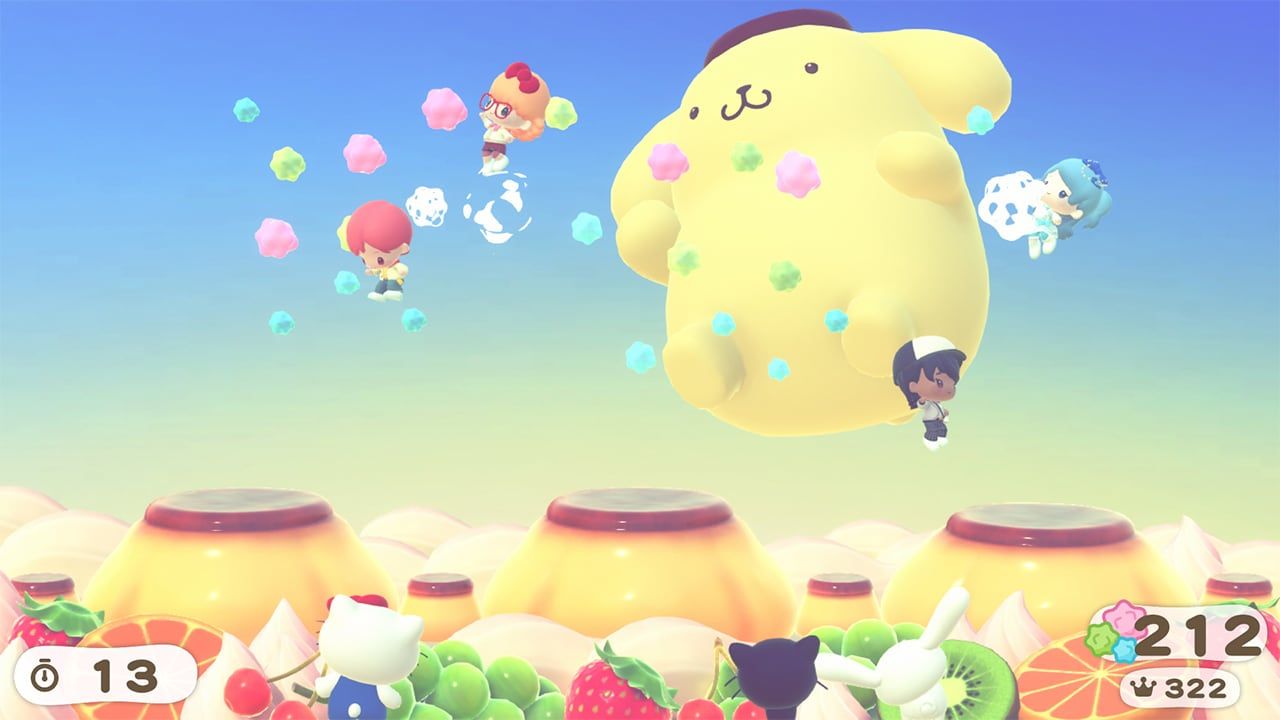
Image: nintendo.com
Hello Kitty Party Land gets its first Famitsu verdict
The strongest signal in this week’s Famitsu review roundup is the first published score for Hello Kitty Party Land: 8/8/9/7, for a combined 32 out of 40. Nintendo Everything reports the score as part of the Famitsu review scores for October 24, 2026, noting that each game is reviewed by four editors and that the listed total is out of 40 points.
That 32 puts Hello Kitty Party Land at the top of the small batch reported this week, ahead of We Were Here Tomorrow at 30, Rivage at 29, and Hell Let Loose: Vietnam at 28. The spread is narrow enough that nobody should treat it as a definitive hierarchy of quality, but for import-minded readers watching Japanese game reviews for early buying cues, the Sanrio party game has the cleanest early momentum in this set.
The tension is useful: a licensed character party game can be hard to read from store copy alone, especially when the audience spans children, families, Sanrio collectors, and players who care about minigame structure. Famitsu’s score does not answer every practical question, but the editor comments reported by Nintendo Everything do give a sharper picture of what kind of party game this appears to be.
The full Famitsu scores for October 24, 2026
Nintendo Everything lists four reviewed games in the October 24 batch. Hello Kitty Party Land received 8/8/9/7, totaling 32 out of 40. We Were Here Tomorrow followed with 8/8/7/7, totaling 30. Rivage received 7/8/7/7, totaling 29. Hell Let Loose: Vietnam received 7/7/7/7, totaling 28.
Famitsu’s format matters here because the total is an aggregate of four separate editor scores rather than a single critic’s number. A 32 can mean broad agreement that a game is solid, or it can hide one reviewer’s reservations beside stronger enthusiasm from the others. In Hello Kitty Party Land’s case, the 9 and 7 at the ends of the set suggest a generally positive response with some limits, not a unanimous rave.
For readers tracking Famitsu scores from outside Japan, that distinction is worth keeping. Japanese game reviews often arrive before a wider English-language critical consensus, and they can be especially useful for games whose appeal depends on local brand strength, family play habits, or availability in Japan first. They are still one data point. The safer reading is that Famitsu’s editors found Hello Kitty Party Land more satisfying than the licensed-party-game label might lead some players to expect, while still flagging enough friction to keep it out of the magazine’s higher scoring tier.
What Famitsu’s comments reveal about Hello Kitty Party Land
Nintendo Everything reproduces several Famitsu reviewer verdicts for Hello Kitty Party Land, and the recurring detail is cooperation. One reviewer said they were surprised that all of the minigames are cooperative, adding that even the board games are designed around everyone working toward a shared goal. Another called the approach a fit for a “gentle world,” while also saying that some parts could have been explained more clearly.
That is the most important mechanical note in the material we have. Bandai Namco Entertainment’s official site describes Hello Kitty Party Land as a game where players “join the party at Party Land” and team up with beloved Sanrio characters in a variety of minigames. Famitsu’s comments, as reported by Nintendo Everything, make that “team up” wording feel central rather than decorative. This appears to be built around shared success, not the usual couch-party cycle of stealing stars, sabotaging friends, or winning by last-second chaos.
For families and Sanrio fans, that could be the selling point. A cooperative board-and-minigame structure lowers the social temperature, especially for younger players or groups that bounce off competitive party games. For players who come to the genre for rivalry, gloating, and pressure, it is also the key caveat. The reported score tells us the structure worked well enough for Famitsu’s panel, but the cooperative focus is likely to be a taste filter.
A party game built around character affection and side activities
The Famitsu verdicts reported by Nintendo Everything also point beyond the minigames themselves. One reviewer highlighted dressing up and farming as additional elements, saying the game felt more satisfying than expected. The same comment praised tools such as music and drawing as “authentic,” which suggests the package is leaning into toy-box appeal as much as board-game progression.
The Sanrio cast is another major pillar. Famitsu reviewers praised meeting many Sanrio characters, choosing a partner to play with, and having favorite characters greet and accompany the player. Another comment singled out the 3D versions of the characters as adorable and said simply visiting the town was exciting. Those are subjective reactions, but they help explain why Hello Kitty Party Land’s 32 may matter to the audience most likely to import or buy early: the game seems to understand that character presence is a feature, not background branding.
There is also one clever pacing detail in the Famitsu comments. A reviewer noted that board games include an innovative system where players can play minigames on a wipe screen while other players are progressing. Another visible excerpt says small-window minigames reduce waiting time, though the source text cuts off before the sentence fully concludes. Taken together, the reported comments point to an attempt to soften downtime, a frequent weak spot in board-party design.
Where the praise stops and the open questions begin
The October 24 Famitsu review material gives a helpful first impression, but it does not settle the buyer’s-guide questions many overseas readers will have. The provided sources do not list pricing, supported languages, release date details, online play information, performance targets, or platform availability beyond Nintendo Everything categorizing its post under Switch and Switch 2. Without a storefront listing in the source set, those details should be treated as unconfirmed here.
The clearest criticism in the reported Famitsu comments is explanation quality. One reviewer said some parts could have been explained more clearly. In a cooperative family game, that can cut two ways. If the audience includes younger players, unclear instructions can become a real table problem. If the mechanics are simple once understood, it may be a short-lived annoyance. Famitsu’s 7 from one reviewer hints that the package has rougher edges than the warmer comments might suggest.
There is also the question of repetition. The source material confirms a variety of minigames through Bandai Namco’s site and Famitsu’s discussion, but it does not provide a count, session length, progression structure, or how farming, dress-up, music, and drawing feed into the party loop. Those are the details that determine whether a cozy licensed party game becomes a weekend favorite or a short burst of Sanrio sightseeing.
How import-minded readers should read this Famitsu batch
Famitsu sits inside a wider Japanese games media rhythm that can be easy to misread from abroad. Gematsu regularly reports Famitsu’s estimated physical software and hardware sales data for Japan, including a September 14 to September 20, 2026 chart in which Switch 2 sold 34,341 units and the Switch family sold 5,705 units. GoNintendo, citing Famitsu’s “Most Wanted” reader poll for an October 2026 issue, reported Pokémon Winds & Waves leading that poll with 583 votes, followed by Zelda Ocarine of Time at 504 and Persona 6 at 456.
Those separate Famitsu-related reports are not reviews, and they should not be blended into Hello Kitty Party Land’s score. They do, however, show the environment around this kind of coverage: Famitsu remains a useful window into Japanese retail attention, reader anticipation, and weekly review verdicts. For a smaller or family-focused game, a 32 out of 40 in that context is a positive early marker, especially when the comments identify specific design choices rather than offering only brand praise.
If you are deciding whether to import Hello Kitty Party Land, the grounded takeaway is simple: Famitsu’s first verdict is favorable, and its reviewers responded strongly to the cooperative design, Sanrio character presence, reduced downtime ideas, and extra creative activities. The reasons to wait are equally concrete: the available sources do not confirm the practical storefront details many overseas buyers need, and at least one Famitsu reviewer found the game’s explanations lacking. For now, the Hello Kitty Party Land review score gives the game a promising first landing, but cautious buyers should pair it with platform, language, and play-mode details before committing.