

Splatoon Raiders leads the Famitsu review scores for July 26, 2026 with 35/40, while Gurei, Kimi ni Madoi, Kimi ni Oboreru, and Village in the Shade give import fans a surprisingly strong week to track.
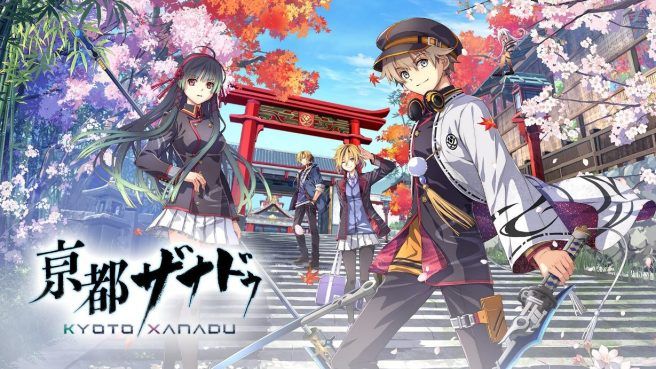
Image: nintendoeverything.com
Splatoon Raiders takes the week, but the chase pack is the story
The Famitsu review scores for July 26, 2026 have a clear leader: Splatoon Raiders earned 9/9/9/8, or 35 out of 40, according to Nintendo Everything’s roundup of the latest Famitsu scores this week. That puts it at the top of a six-game slate and immediately makes it the release Switch 2 early adopters will want to watch most closely, especially because Nintendo Everything filed this week’s score post under its Switch 2 category.
The tension is in how little separation there is behind it. Gurei scored 8/8/8/9 for 33/40, and Kimi ni Madoi, Kimi ni Oboreru landed 9/8/8/8, also 33/40. Village in the Shade followed with four straight 8s for 32/40. Famitsu’s numbers suggest a week with one obvious headliner, two strong challengers, and a fourth game with unusually even approval from all four reviewers.
That matters for import-minded readers because Famitsu scores are often most useful as an early signal, not a final purchase verdict. The July 26 post from Nintendo Everything provides the numbers but no translated reviewer blurbs, platform breakdowns for each title, price, localization status, or performance notes. So the right read is cautious: Splatoon Raiders has the highest weekly score, but Gurei and Kimi ni Madoi, Kimi ni Oboreru are close enough that genre preference could easily matter more than the two-point gap.
How Famitsu’s four-reviewer format changes the reading
Famitsu’s review format is built around four individual scores. Nintendo Everything’s July 12 Famitsu roundup explicitly notes that four editors give out scores and that the final Famitsu total is out of 40 points. Wikipedia’s overview of Famitsu scores describes the same basic system, with four critics each assigning a score from 0 to 10.
That structure is important this week because Splatoon Raiders’ 9/9/9/8 profile reads differently from a simple 35/40 average. Three reviewers placed it in the 9 range, while one came in slightly lower at 8. In Famitsu terms, that is still a very strong consensus, but it also leaves a small note of restraint. This was not a perfect 40, and it was not a wall of four 9s.
Gurei’s score tells a slightly different story. Its 8/8/8/9 adds up to 33, with one reviewer pushing higher than the rest. Kimi ni Madoi, Kimi ni Oboreru reaches the same total through 9/8/8/8. Village in the Shade’s 8/8/8/8 is the neatest score on the board, a clean 32 that suggests consistent approval rather than a divided panel. For readers scanning Japanese game review scores, those patterns are often more revealing than the totals alone.
The strongest July 26 candidates for import fans
Based strictly on the provided Famitsu numbers, Splatoon Raiders is the week’s safest tracking priority. A 35/40 puts it in the same scoring tier as Granblue Fantasy: Relink – Endless Ragnarok, which Nintendo Everything reported at 9/9/8/9 on July 20. Across the three July 2026 Famitsu roundups supplied here, only those two games reach 35.
Gurei is the most interesting second look. Its 33/40 puts it level with Kimi ni Madoi, Kimi ni Oboreru this week and with Culdcept Begins from the July 12 roundup, which scored 9/8/8/8. Without translated reviewer comments in the July 26 source, we cannot say what Famitsu liked about Gurei, whether it is mechanically fresh, narrative-driven, technically polished, or simply well-rounded. What we can say is that the panel’s score places it firmly above the week’s licensed-family-game entries.
Kimi ni Madoi, Kimi ni Oboreru is also worth bookmarking if you follow Japanese releases that may not get immediate Western attention. The 9/8/8/8 spread gives it one top-end endorsement and three solid 8s. That kind of distribution is often enough to make import fans check language support, region availability, and whether the game’s appeal depends heavily on Japanese text. The supplied source does not answer those practical questions, so this is a watchlist entry rather than a blind-buy recommendation.
Village in the Shade sits just behind them with 32/40, but its uniform 8/8/8/8 may make it the week’s quietest curiosity. As an indie and platformer-focused reader, I tend to perk up at even scores like that because they can point to craft, clarity, and consistent execution rather than one reviewer being especially charmed. That is interpretation, not a confirmed design assessment, since the July 26 source gives no review text. Still, for discovery-minded players, Village in the Shade is the game I would keep on the radar after the obvious top three.
Switch 2 readers get a headline, but not every buying detail
Nintendo Everything’s July 26 Famitsu post is categorized under Switch 2, which is the strongest platform signal available in the provided source for this week’s list. That makes Splatoon Raiders the obvious focal point for readers searching for Switch 2 Famitsu scores, especially because it leads the week with 35/40.
There is a reporting gap, though, and it is worth stating plainly. The supplied July 26 text does not list platforms beside each game. It also does not include release dates, eShop pages, cartridge availability, import pricing, upgrade paths, frame-rate targets, resolution details, online requirements, or localization information. For early adopters, those omissions are practical. A strong Famitsu score can tell you a game is being well received by that panel, but it cannot tell you whether the Switch 2 version, if applicable to a given title, is the best version to buy.
That is especially relevant in the first stretch of a new platform cycle. Early libraries are often shaped by a mix of native releases, cross-generation ports, expanded editions, and games whose performance profile varies by hardware. The source material here confirms the score list and the site category, but it does not confirm technical details. If you are buying for Switch 2, treat Splatoon Raiders as the week’s leading score and then wait for platform-specific information before committing money.
How July 26 compares with the rest of Famitsu July 2026
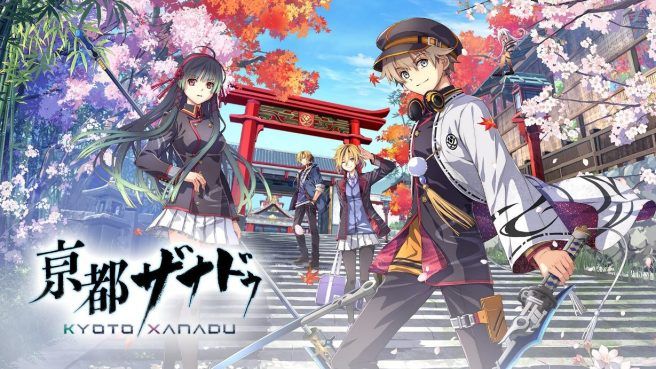
The July 26 slate looks stronger when placed beside the previous two Famitsu July 2026 score posts from Nintendo Everything. On July 20, Granblue Fantasy: Relink – Endless Ragnarok scored 35/40, Staffer Retro: A Supernatural Mystery Quest scored 33/40, D-topia scored 30/40, Monster Girls and the Mysterious Adventure Remastered Edition scored 30/40, and Yog-Sothoth’s Yard scored 29/40. On July 12, Kyoto Xanadu scored 34/40, Culdcept Begins scored 33/40, EA Sports UFC 6 scored 32/40, and Echoes of Aincrad scored 29/40.
That makes Splatoon Raiders tied with Granblue Fantasy: Relink – Endless Ragnarok as the highest-scoring game in the supplied July stretch. Kyoto Xanadu sits just behind at 34/40, while Gurei, Kimi ni Madoi, Kimi ni Oboreru, Staffer Retro, and Culdcept Begins all occupy the 33/40 tier.
The shape of July is useful for readers trying to triage. If you only track the peak scores, Splatoon Raiders and Granblue are your top pair. If you use Famitsu to discover smaller or less internationally obvious releases, July has been unusually fertile around the 32 to 33 range. This week in particular has three games at 32 or higher behind the leader, which gives import fans more to investigate than a single tentpole score.
The lower end of the week still has a clear audience signal
Bluey’s Quest for the Gold Pen scored 7/7/8/7, or 29/40, while Paw Patrol: Dino World scored 5/7/8/7, or 27/40. Those are the lowest totals in the July 26 list, but they should be read with audience fit in mind. The provided source offers only scores, so there is no basis here to judge difficulty, accessibility, content, co-op design, or how either licensed game serves younger players.
The spread on Paw Patrol: Dino World is the more uneven of the two. One Famitsu reviewer gave it a 5, while another gave it an 8. That gap suggests a less settled panel response than the rest of the week, though the source does not explain the disagreement. Bluey’s Quest for the Gold Pen is steadier, with three 7s and one 8.
For families, these numbers are a prompt to look for hands-on impressions rather than a reason to dismiss either game outright. Famitsu’s score list can help set expectations, but licensed children’s games often rise or fall on things the raw total cannot capture: reading level, frustration tolerance, controller complexity, local multiplayer, and how much patience the game has for new players.
The games to track first, and the questions to answer before importing
If you are using the Famitsu review scores July 26 2026 list as a buying filter, the tracking order is straightforward. Splatoon Raiders is the top-scored game of the week at 35/40 and the clearest Switch 2-adjacent headline in the supplied coverage. Gurei and Kimi ni Madoi, Kimi ni Oboreru share the next tier at 33/40, with Village in the Shade close behind at 32/40. Bluey’s Quest for the Gold Pen and Paw Patrol: Dino World look more audience-specific based on their lower totals and, in Paw Patrol’s case, wider reviewer spread.
The next step is verification. Import fans should look for supported languages, regional storefront availability, physical release details, and whether save data or DLC is tied to a specific region. Switch 2 early adopters should also wait for platform-confirmed information where it has not been provided in the score roundup, especially performance, online features, and whether any release is native to Switch 2 or part of a broader platform lineup.
Famitsu has done its part for the week: it has put Splatoon Raiders on top and given several less obvious names enough numerical heat to justify attention. The remaining work belongs to careful buyers. A 35/40 is a strong signal. A 33/40 can still be the better fit. And in a week this compact, the smartest import pick may come down to the details Famitsu’s score list does not include.