
Sony has cancelled Fairgame$, Haven Studios' PS5 and PC live-service heist shooter, after mixed test results and years of reworks. Here is what is confirmed about the game, Haven, layoffs, and PlayStation's wider shooter strategy.
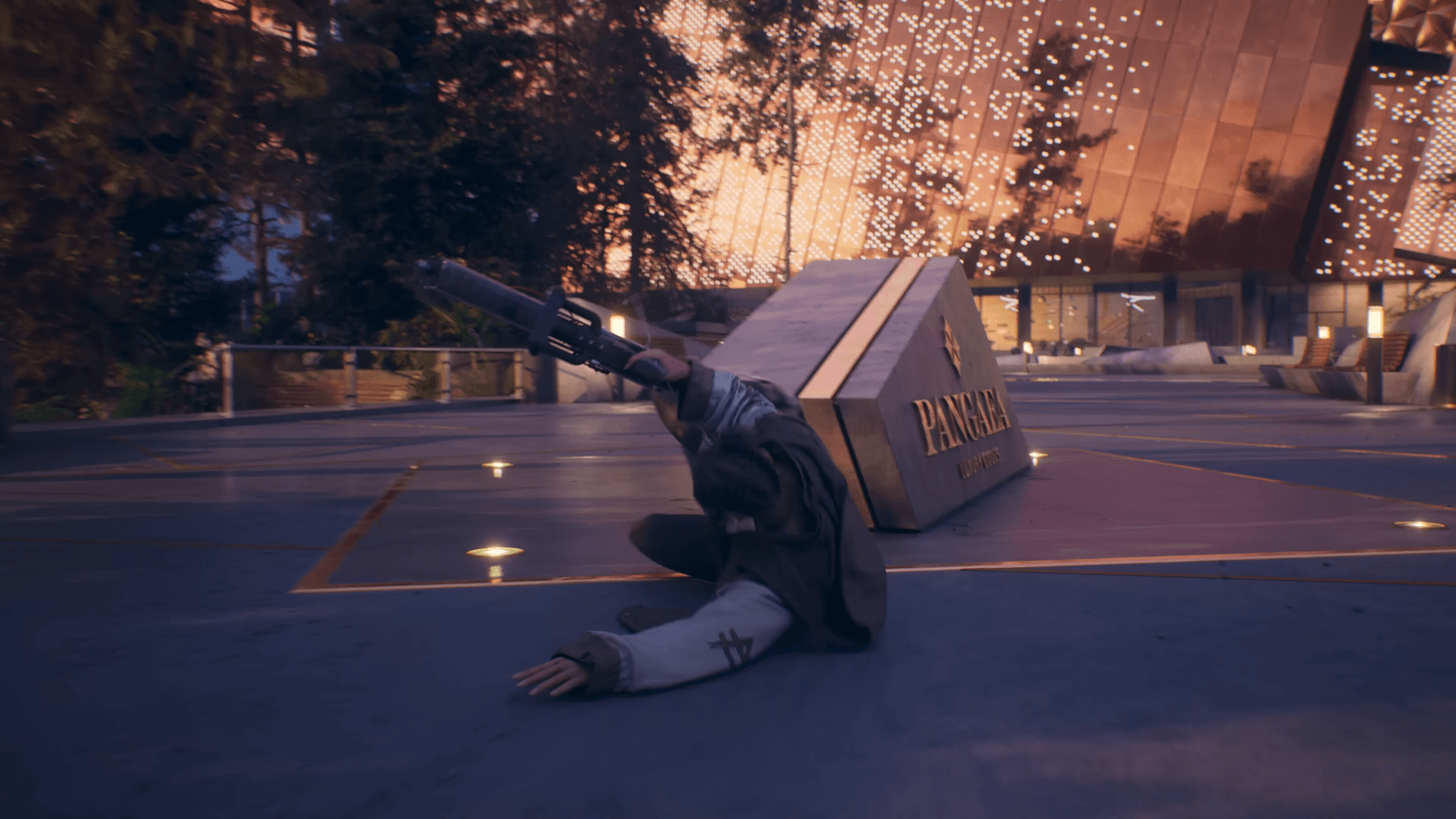
Image: dualshockers.com
Sony’s heist shooter is done before gameplay ever went public
Sony has cancelled Fairgame$, the PS5 and PC live-service shooter in development at Haven Studios, according to Bloomberg reporting cited by multiple outlets, with Sony also providing a company statement on the studio’s future. The immediate player-facing answer is simple: Fairgame$ will not release.
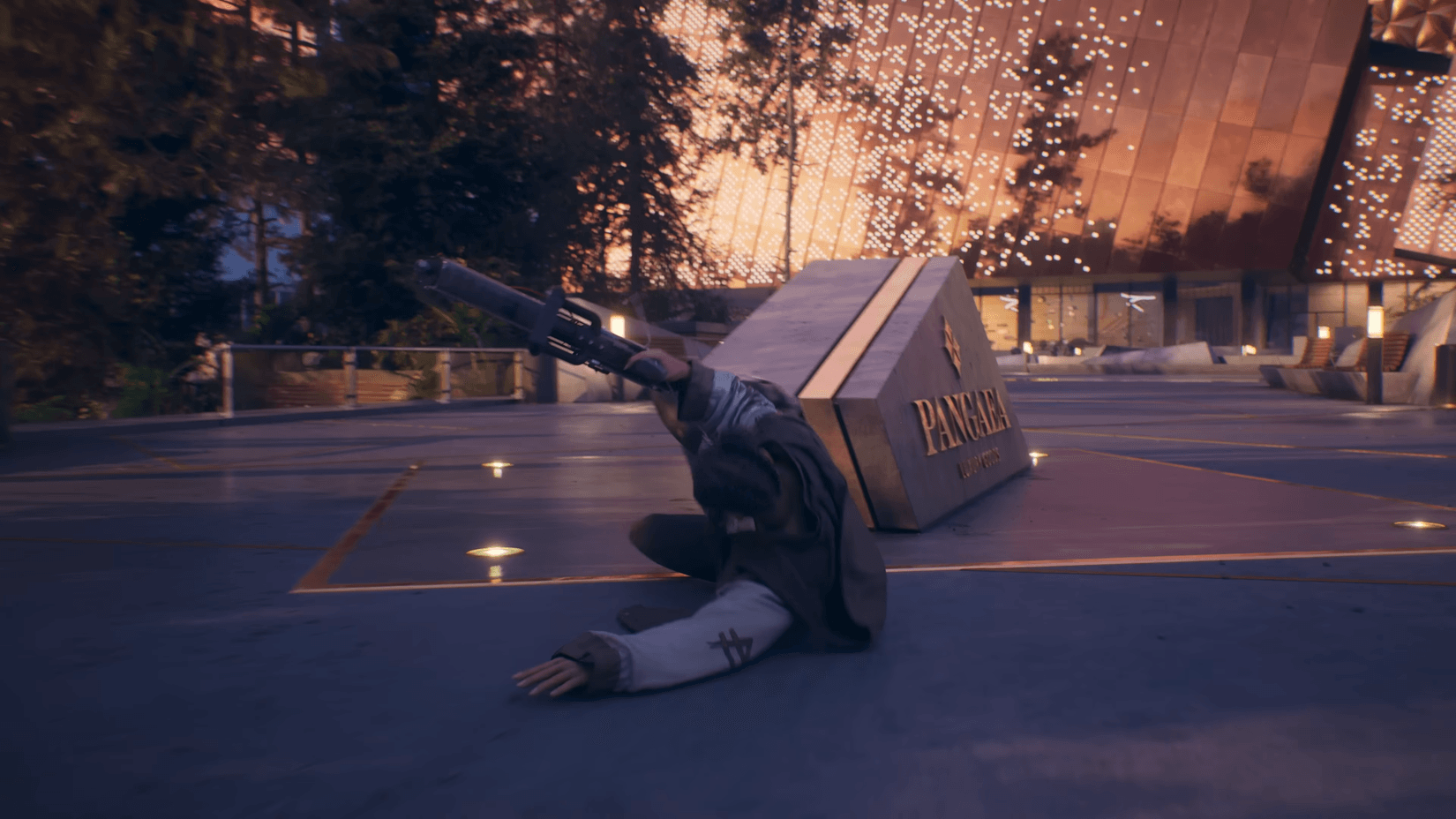
The cancellation lands after more than three years in public view and several years of development behind the scenes. Fairgame$ was announced in 2023 as Haven’s debut project, a competitive heist game built around teams breaking into high-security locations, stealing valuables, and facing both security forces and other players. Sony showed it with a CGI reveal trailer, but never followed with a formal gameplay reveal.
That absence now reads differently. In live-service shooters, the first real gameplay showing is usually where a game starts proving its fundamentals: movement speed, weapon handling, team roles, map readability, objective flow, server stability, and whether players can understand the match loop in one watch. Fairgame$ never reached that point publicly. By the time the project had private testing recent enough to trigger an internal decision, Sony decided the numbers and feedback were not strong enough to keep going.
The playtest result Sony cited internally
The clearest evidence for the cancellation comes from a memo Bloomberg reviewed from PlayStation executives Sean Decker and John Doyle. The memo said a recent test showed “strong operational excellence, live ops readiness and community engagement,” but that “player feedback and retention results were mixed and fell short of the goals we had set.” The memo also cited “challenging market conditions in the PVP shooter genre” as part of the decision to cease development.
That language matters because it separates technical readiness from audience pull. Sony’s note, as reported by Bloomberg and quoted by outlets including GameSpot, Push Square, Polygon, IGN, and Rock Paper Shotgun, does not say Haven failed to run the game. It says the test did not meet PlayStation’s goals for feedback and retention. For a PvP shooter, retention is the stat that cuts deepest. A game can have functioning matchmaking, stable live-ops tools, and a polished onboarding funnel, but if testers are not coming back, the competitive ecosystem is already in trouble.
IGN connected the referenced test to a mysterious project known as Project Espresso, which had advertised private playtests earlier in the fall and appeared similar to Fairgame$. That connection remains framed by IGN as likely, rather than confirmed by Sony in the provided material. Bloomberg also reported that Fairgame$ had been reworked multiple times since its reveal and was planned for a re-reveal with a new name. That re-reveal never happened.
What Fairgame$ was supposed to be
The official pitch for Fairgame$ came from Haven creative director Mathieu Leduc in a 2023 PlayStation Blog post quoted by GameSpot. Leduc described it as a competitive multiplayer game built around “emergent sandbox gameplay,” with the goal of rewarding “creativity and mastery” and creating surprising stories each time players played.
The fantasy was a modern heist setup. Leduc described players joining an underground movement to rob the ultra-rich, break into forbidden locations around the world, grab loot, and expose powerful billionaires. Rock Paper Shotgun’s source text describes the announced game as a “competitive modern heist game” where players would team up to break into exotic locations and steal cargo while dealing with security and other real players.
On paper, that pitch had a clear hook. Heist games can create strong squad tension because the objective is legible: get in, take the prize, get out. The problem is that PvP extraction and objective shooters live or die on details the public never got to evaluate here. We never saw how loud the guns felt, how long time-to-kill was, how maps handled stealth versus open fights, whether loot extraction created meaningful risk, or whether the game had enough match-to-match variety to survive past the first week. The only official public asset players could judge was a CGI trailer, which can sell tone but cannot prove pacing.
Another warning sign for PlayStation’s live-service strategy
Fairgame$ now joins a long list of PlayStation live-service setbacks in the PS5 era. The specific shape of each project differs, so it is worth keeping the record clean. The Last of Us Online was cancelled. The Verge notes Sony also cancelled planned live-service projects tied to God of War and The Last of Us. Push Square lists additional reported or cancelled efforts tied to Bungie, Sony Bend, Bluepoint, and Twisted Metal. Concord did release, but Sony took it offline permanently after about two weeks, according to Push Square and other coverage cited in the source material.
There has also been a major success. Helldivers 2, which debuted during the same broader PlayStation live-service push as Fairgame$ and Concord according to Push Square, has been widely described in the provided sources as a win for Sony. The Verge also notes that Helldivers 2 is available on Xbox. That matters because it shows the lesson is not as simple as “PlayStation cannot do live service.” The sharper read is that the market only rewards these games when the core loop hits fast and hard, and when players have a clear reason to bring friends back repeatedly.
Sony’s earlier ambitions created the pressure around this story. Rock Paper Shotgun points back to Sony’s 2022 intention to release 10 live-service games by 2026. GameSpot says Sony was in the middle of a major live-service investment when Fairgame$ was announced. Years later, the slate looks thinner, more cautious, and more exposed to the brutal math of PvP. If players do not stick in testing, a publisher can either spend more years chasing a turnaround or stop before launch and avoid another public collapse.
Haven Studios stays open, but its job changes
The strongest piece of good news is the one players should not miss: Bloomberg reported that no layoffs are planned because of the Fairgame$ cancellation. Push Square says a Sony spokesperson told Bloomberg that Haven Studio will remain open and will not suffer job losses. Polygon and The Verge also report that Haven will support other Sony Interactive Entertainment or PlayStation Studios teams going forward.
Sony’s statement, as quoted by Rock Paper Shotgun, said the studio will shift focus to collaborating with other development teams across PlayStation Studios while also exploring new creative opportunities. Push Square characterizes the new role as Haven becoming a support team within PlayStation Studios. Those descriptions are close, but not identical in tone. The confirmed point is that Haven is not being closed, and its staff are being redirected rather than cut as part of this decision.
That still represents a major studio impact. Haven was acquired by Sony in 2022 after being founded in 2021 by Jade Raymond, the former Assassin’s Creed producer and Google Stadia Games and Entertainment head, as Polygon notes. Fairgame$ was supposed to be the studio’s first released game. Multiple outlets in the provided material note that Raymond has since left the studio, though the supplied source texts do not agree cleanly on the timing. With Fairgame$ cancelled, Haven loses its debut project and moves from leading a publicly announced first-party shooter to helping other PlayStation teams.
Practical answers for players waiting on the PS5 shooter
If you were tracking Fairgame$ as a possible PS5 shooter or PC live-service game, there is no release date to wait for, no preorder path, and no announced beta to sign up for in the provided source material. The game was planned for PlayStation 5 and PC, but Sony has cancelled development before release.
There is also no confirmed price, edition structure, monetization model, crossplay plan, or technical specification in the supplied sources. Because gameplay was never formally revealed, there is no reliable public basis for judging performance, controller feel, mouse-and-keyboard tuning, map count, class structure, progression, or netcode. Any claim that Fairgame$ was close to launch-ready as a competitive product would go beyond what Sony’s internal memo says. The memo says operational and live-ops readiness were strong, while player feedback and retention fell short.
For shooter players, that distinction is the whole story. A PvP game is not saved by a good concept alone. It needs repeatable tension, fair reads, strong combat rhythm, maps that do not collapse into solved routes immediately, and enough reward pressure to survive the first wave of churn. Sony’s decision suggests PlayStation did not believe Fairgame$ had reached that bar, especially in a crowded PvP shooter market.
The bigger shooter lesson Sony cannot ignore
Fairgame$ cancelled is a search term now because it fits a pattern players have watched form in real time. PlayStation spent years expanding beyond its single-player blockbuster identity into live-service development, but the shooter lane has punished almost every weak step. Concord showed the danger of launching into indifference. Fairgame$ shows the other side of the same risk: stopping a game before launch when private testing does not indicate enough staying power.
That does not make cancellation painless. Years of work disappear from the public slate, Haven’s first game never reaches players, and PlayStation loses another piece of its planned live-service lineup. But the no-layoff detail changes the human side of the story. According to Bloomberg’s reporting and Sony’s statement as relayed by multiple outlets, Haven staff are being kept and moved toward collaboration across PlayStation Studios.
For players, the clean read is this: Fairgame$ is gone, Haven is still open, and PlayStation’s live-service strategy remains unsettled. Sony has proven it can score with the right cooperative or online hook, as Helldivers 2 demonstrates in the supplied sources. It has also now shown repeated willingness to cancel or shut down projects that do not meet the bar. In competitive shooters, that bar is unforgiving. If the first tests do not show players wanting another match, the rest of the roadmap does not matter.