
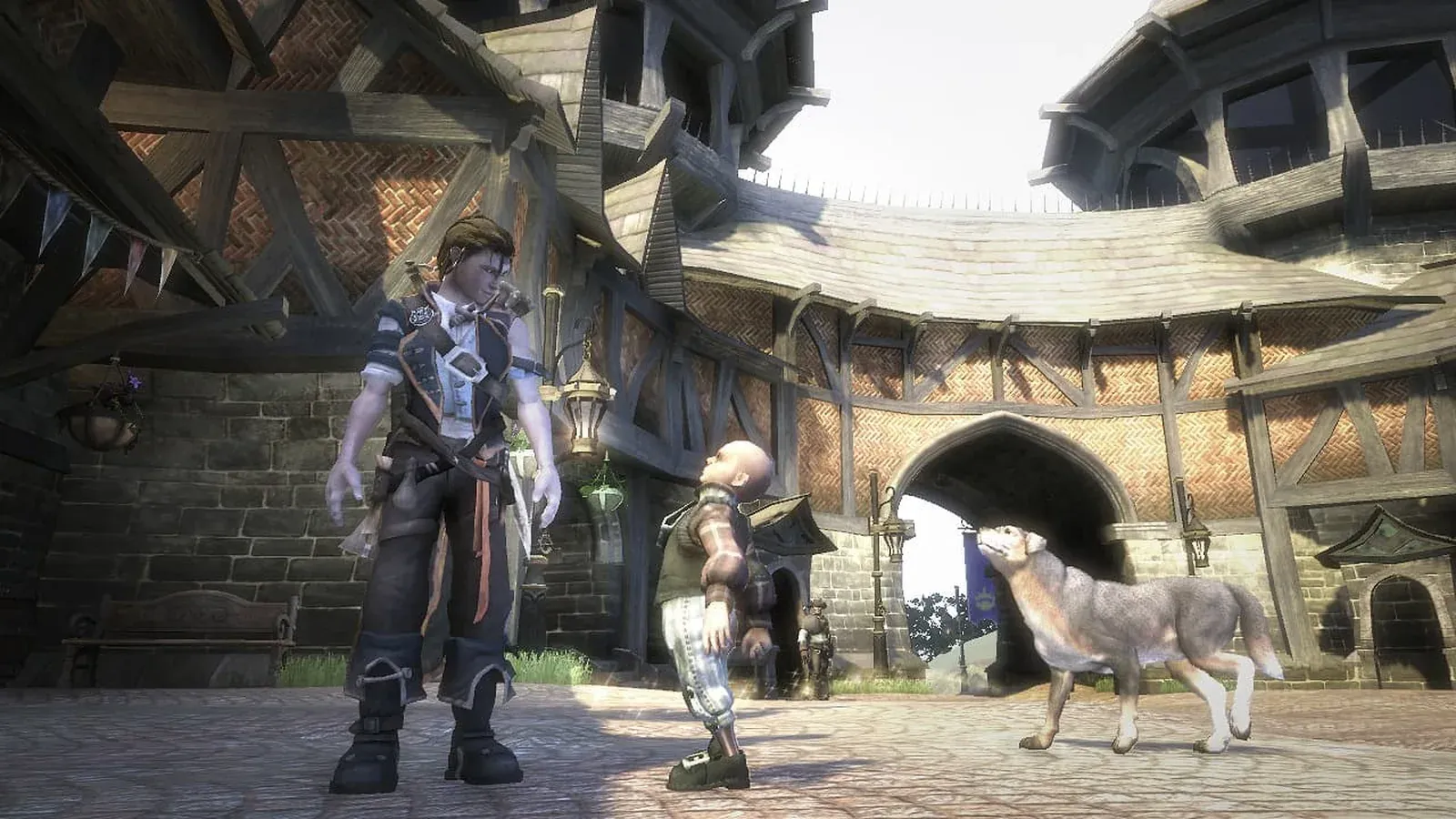
The Godot Fable project aims to bring Fable II and Fable III to modern PC, Linux, and Android through static recompilation, but its preservation promise comes with beta instability and legal uncertainty.
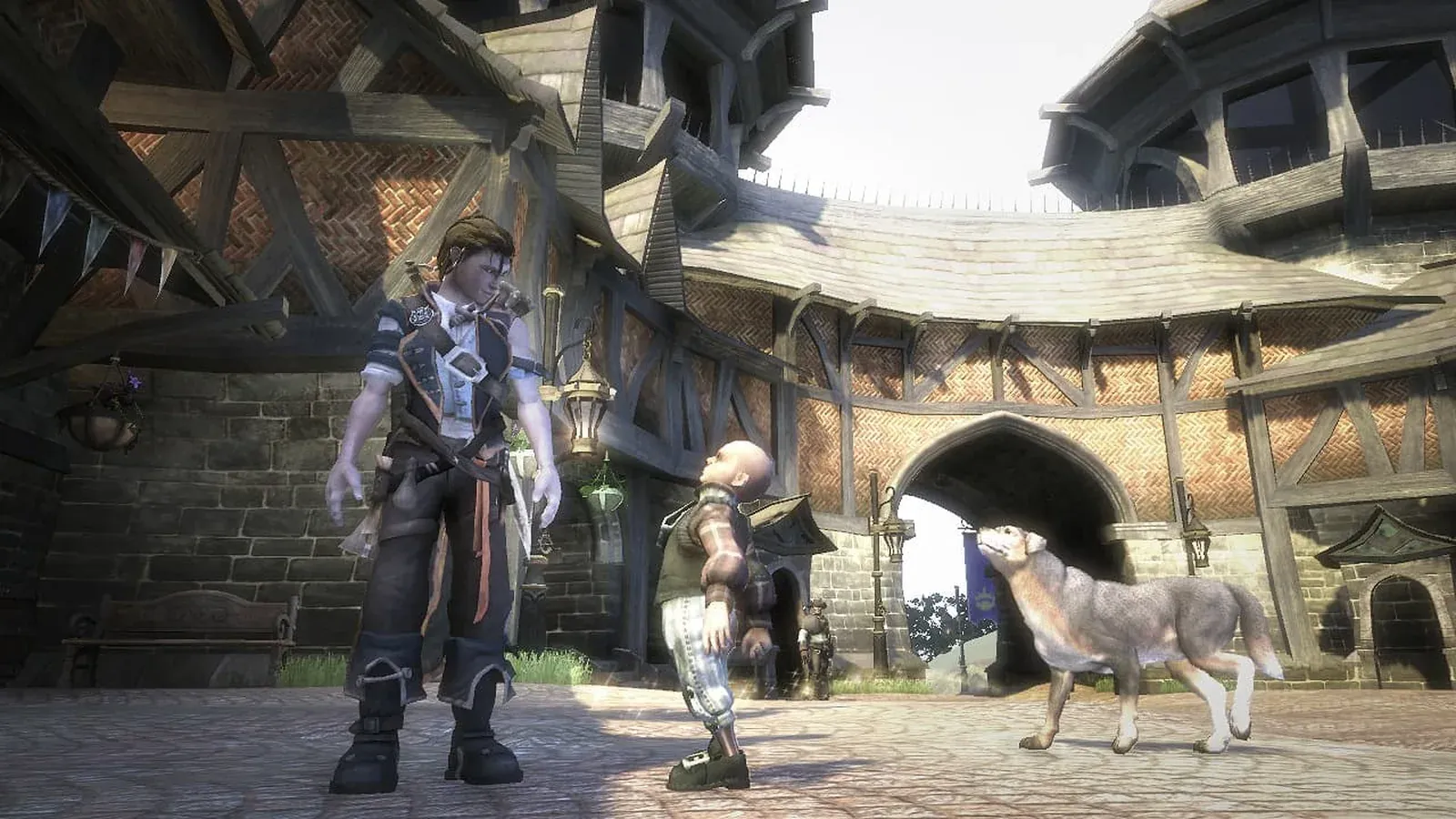
Image: techtroduce.com
A fan rebuild of Albion is now public, but it is still a beta-shaped promise
Fable: Return to Albion has surfaced as an open source Fable remake project that aims to bring Fable II and Fable III to modern PCs, Linux systems, and Android ARM64 devices through Godot and static recompilation. The project’s GitHub page describes it as “a modern, native PC and Android remake of Fable II and Fable III,” with the original Xbox 360 PowerPC game code decompiled and statically recompiled through the ReXGlue SDK rather than run through a conventional emulator.
That is the concrete development. The tension is that this Godot Fable project sits in a complicated middle ground. It is trying to preserve two choice-heavy Lionhead RPGs whose modern availability has been uneven, while also relying on original commercial games that remain copyrighted. GamingOnLinux notes that the project does not include copyrighted assets and requires players to supply their own copy of the game. No source provided for this story reports any public response from Microsoft, Xbox, or the Fable rights holders, so the legal situation should be treated as unresolved rather than settled.
For players, the immediate question is narrower than the ambition: what can actually be played today? The GitHub releases page lists a “Nightly dev build 2026-11-23” as a pre-release, explicitly warning that it is a nightly dev build, not a release, and that it is “untested beyond the automated checks” with breakage expected. A Reddit post on r/Fable says the project, formerly known as Fable 2 Remake, is now in Beta 7 and includes Fable III, but also warns that it is not a 1.0 release and that players “can and will” run into bugs.
What Return to Albion is trying to recreate
The project is not presenting itself as a clean-room spiritual successor or a visual tribute. According to the GitHub documentation quoted by GamingOnLinux and visible on the repository, Fable: Return to Albion is a source-level remake and static recompilation effort for Lionhead Studios’ Fable II and Fable III. Its stated goal is to keep the underlying simulation intact while replacing the surrounding technology stack with a modern Godot 4.7.1 .NET presentation layer.
That distinction matters for Fable specifically because its identity lives in interlocking RPG systems rather than only in art direction. The GitHub page says quests, character progression, AI behaviour trees, physics, and world state execute natively after recompilation. If that claim holds across the full project, the aim is to preserve the moving parts that make Albion feel reactive: the hero’s growth, morality-driven presentation, property and relationship hooks, co-op interactions, and the consequences that accumulate across a save.
Around that simulation, the team says it is rebuilding the rendering and user-facing layers inside Godot. The repository lists a scene-referred HDR rendering pipeline, custom shaders, decoupled framerate support for high-refresh monitors, 21:9 and 32:9 ultrawide support, modernized UI and menus, accessibility settings, and gamepad plus keyboard-and-mouse mapping. It also lists local and online co-op through the Rust-based RexNet netplay engine and a hot-reloading modding architecture.
Those are stated project goals and features from the public documentation, not independent performance results. The important practical takeaway is that Return to Albion is trying to do two jobs at once: preserve the original Xbox 360-era gameplay logic and rebuild the way that logic is displayed, controlled, modded, and networked on current hardware.
What players can test now, and what should be treated carefully
The safest reading of the current state is that Fable II is further along than Fable III, while the overall project remains unfinished. Overkill.wtf reports that Fable II is already listed as fully playable and that Fable III support is still being worked on. The r/Fable post says Fable III has been brought into the porting fold and is playable in Beta 7, but adds a clear disclaimer that work on Fable III only began recently, the focus remains on Fable II, and players should expect many issues.
The GitHub releases page reinforces that caution. The listed nightly build from November 23, 2026 is marked as a pre-release and says the numbered betas are the releases players should look to, while nightly packages are replaced when each platform build passes. The same release notes mention launcher work for specific regional discs and title updates, including German, French, and Italian GOTY references, plus hash-list checking for packages. That suggests the team is dealing with the unglamorous but essential compatibility work that preservation projects often need: identifying disc variants, validating data, and making sure the launcher understands what the user owns.
The Reddit post adds several community-facing claims about Beta 7, including Android support for Fable II, experimental Android support for Fable III, full keyboard-and-mouse support, controller glyphs for Xbox, PlayStation, and Switch controllers, expanded modding support, a photo mode, a decorating expansion, and an appearance-changing feature called Murgo’s Mirror. Because those details come from a community post rather than the project’s front-page repository text in the supplied material, they should be read as reported beta notes from r/Fable rather than a final feature list.
Anyone testing Fable Return to Albion should go in as a participant, not as a normal buyer expecting a finished RPG. The available sources point to public builds, active development, and ambitious features, but also to breakage, bugs, and platform-specific uncertainty.
Why Fable II and Fable III are natural targets for preservation
The preservation argument is strongest around access. Techtroduce notes that Fable II originally launched for Xbox 360 in 2008 and never received an official PC release. Overkill.wtf makes the same practical point from a player perspective, saying there is no easy way to replay Fable II and Fable III on PC, with Fable II never brought to PC and Fable III delisted after Microsoft shut down the Games for Windows Live Marketplace and stopped generating keys for the game.
Fable III did receive a Windows version in 2011, according to Techtroduce, but Return to Albion uses the original Xbox 360 game as its foundation. That choice is significant because the project is not a wrapper around the old PC release of Fable III. It is attempting to make the console codebase run natively on new platforms, with Godot handling modern rendering, input, UI, and other surrounding systems.
For an RPG completionist, this is exactly the kind of project that can matter beyond nostalgia. Fable II and Fable III both rely on progression systems that are awkward to preserve through video capture or wiki summaries. You need to be able to test builds, morality outcomes, economy loops, co-op interactions, quest state, and character appearance changes in motion. Static recompilation, if it works as described by the project, is valuable because it aims to keep the rules of the original game alive while reducing dependence on aging hardware or imperfect emulation.
That value is still conditional. Preservation projects serve players best when they are clear about ownership requirements, technical limits, and what is altered. Return to Albion’s repository says the simulation runs natively with cycle-accurate logic, while the Godot layer modernizes presentation and access. The project’s long-term credibility will depend on how consistently it can separate faithful system behavior from optional enhancements.
Open source access does not remove the legal risk
GamingOnLinux reports that Fable: Return to Albion does not contain copyrighted assets and that players need to supply their own copy of the game. That is an important boundary, and it is the same boundary many fan preservation efforts try to observe: distribute project code, not the original commercial art, audio, or game data.
It does not make the legal situation simple. The GitHub page describes the project as decompiling and statically recompiling original Xbox 360 PowerPC game code into native machine instructions. That is central to the project’s technical promise, but it is also the area where fan remakes, recompilation projects, and rights holders can come into conflict. The supplied sources do not include a legal opinion, a license statement from Microsoft, or any enforcement action. The responsible conclusion is that the preservation value is real, but the risk is unresolved.
Open source also changes the shape of that risk. A public GitHub repository can invite contributors, audits, forks, and long-term maintenance. The repository listing in the supplied material shows 441 commits, which points to visible development activity. Public code can help players understand what a launcher does with their game files and can help technically minded contributors improve compatibility. At the same time, public visibility can make a rights issue harder to ignore if a platform holder or publisher objects.
There is also an authorship transparency question. GamingOnLinux notes that the repository includes an agents file and says some AI was likely used to help with the project, while also stating that the readme does not appear to explain how much generative AI or LLM assistance was involved. That is separate from the copyright-assets issue, but it belongs in the same category of unanswered questions around process, provenance, and trust.
Practical guidance for players watching the Godot Fable project
If your goal is a stable replay of Fable II on PC, Return to Albion is worth watching closely but should not be treated like a finished commercial remaster. The strongest sourced claims point to Fable II being the more mature side of the project, with Overkill.wtf saying it is listed as fully playable and the r/Fable post presenting the current beta as public but unfinished. The GitHub nightly warning is blunt enough to take seriously: expect breakage in dev builds.
If your interest is Fable III, patience is the safer path. The r/Fable post says Fable III is playable in Beta 7 but highly caveated, with recent work and many expected issues. That makes it a better candidate for testers who want to file reports than for players hoping to roll a long-term hero, pursue property and relationship systems, and see the campaign through without interruption.
Platform expectations should also stay grounded in the listings. The GitHub project targets Windows, Linux, and Android ARM64. GamingOnLinux highlights the significance of Godot as a cross-platform base, and Overkill.wtf calls out native Linux support. Techtroduce also reports Windows, Linux, and ARM64 Android as target platforms. None of the supplied sources provides final system requirements, a 1.0 date, or any official store release plan.
The cleanest advice is to separate curiosity from commitment. Try the beta only if you own the relevant game copy, understand that the project does not ship copyrighted assets, and are comfortable with bugs. Wait if you want a preservation-grade replay where quests, character progression, co-op, world state, and mods can be trusted across a full save. Fable Return to Albion is one of the more technically interesting open source Fable remake efforts now in public view, but Albion’s old rule still applies: every choice carries a consequence.