
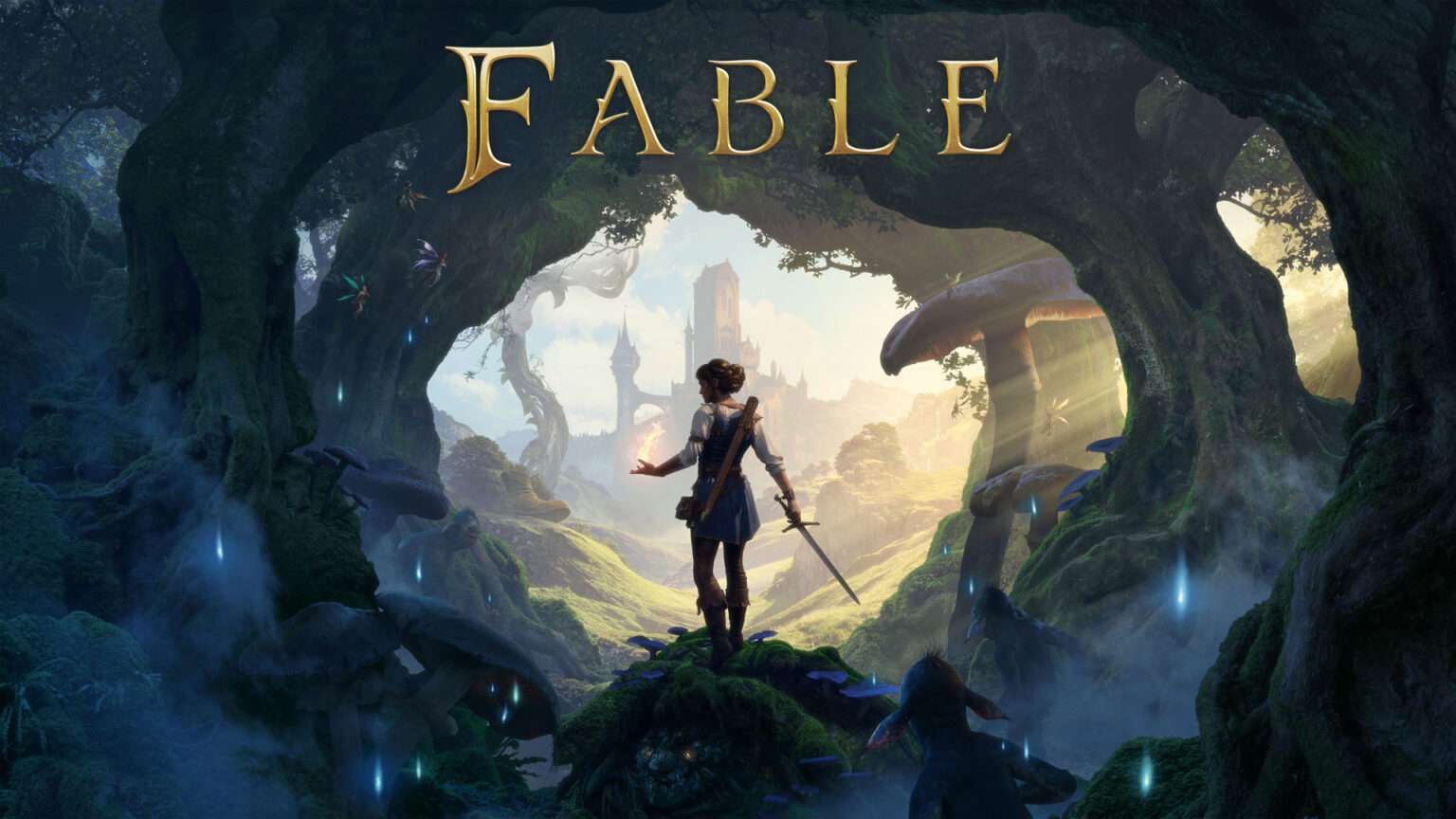
Playground Games says Fable’s main story runs roughly 15 to 20 hours, with another 15 to 20 hours of side and open-world content. Here is how that changes the value question for Xbox RPG players.
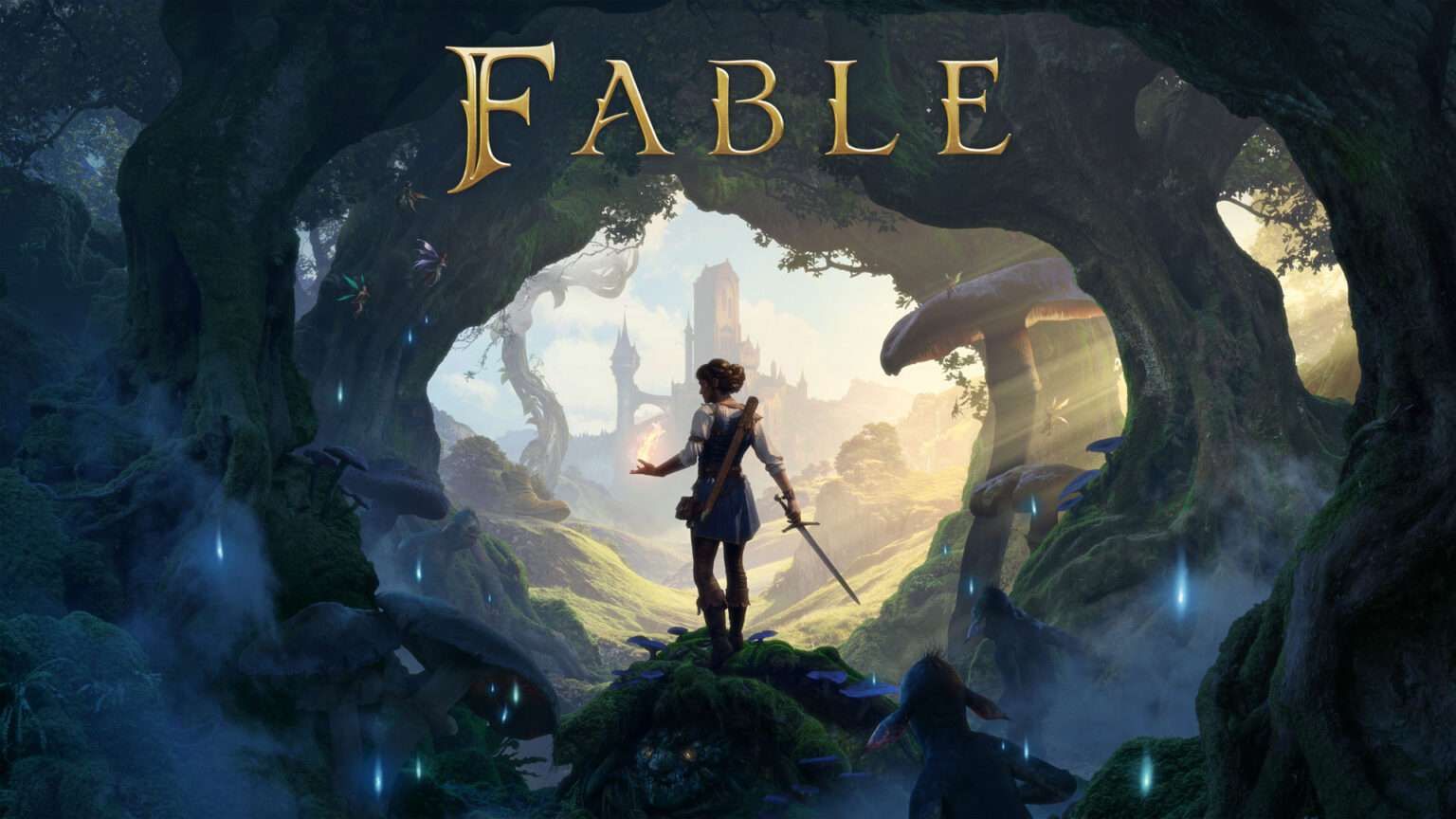
Image: twistedvoxel.com
Fable’s confirmed critical path is 15 to 20 hours
Fable’s main quest length is now one of the clearest numbers attached to Playground Games’ long-awaited RPG. During a group Q&A at Gamescom 2026 attended by Polygon, associate game director Will Kennedy said the upcoming Fable has “around 15-20 hours of mainline quest gameplay” and “around 15-20” hours of side and open-world exploration content. IGN, reporting from Polygon’s interview, framed that as confirmation that Fable’s main quest will take around 20 hours to beat.
That is the concrete news, and it immediately creates the tension around this Xbox RPG. Fable is returning in an era where many players read “open world RPG” as a promise of enormous runtime. Kennedy’s estimate points to something more compact: a campaign that can be finished in a long weekend by a focused player, with the full value depending heavily on how much the side quests, exploration, NPC interactions, and life simulation systems reward lingering in Albion.
Playground is not presenting the 20-hour figure as the total shape of the game. Kennedy’s breakdown puts the authored side and exploration layer in roughly the same range as the critical path, meaning a player who engages with both could be looking at something closer to 30 to 40 hours before considering repeatable or open-ended life systems. Fellow associate game director Craig Littler also pushed back, according to Polygon, when someone in the Q&A characterized Fable as “not a huge game.” Littler reiterated that players can “literally play it forever” if they want to engage with those systems.
That last claim is important, but it should be treated as a design promise rather than a measured completion estimate. “Forever” in this context does not mean infinite authored quests. The confirmed, countable structure is roughly 15 to 20 hours of mainline quests plus roughly 15 to 20 hours of side and open-world exploration. Everything beyond that depends on whether Fable’s social, moral, and life-sim loops are compelling enough to make players stay after the campaign stops pushing them forward.
The number is smaller than modern open-world shorthand suggests
For some RPG players, “Fable 20 hours” will sound lean because the modern open-world market has trained audiences to expect sprawling campaign clocks. IGN directly compares that expectation against games such as Elden Ring, The Witcher 3: Wild Hunt, and Assassin’s Creed Valhalla, noting that those titles can keep players occupied for 50 hours or more before the main story is complete. Fable, by Playground’s own estimate, is not aiming for that kind of critical path.
That difference matters because “how long to beat Fable” will be a practical purchase question, especially for players weighing a premium RPG against other massive fantasy and open-world releases. A 15 to 20 hour main story means Fable is unlikely to satisfy players who measure an RPG primarily by the amount of mandatory campaign content between the opening and the credits. It also means the pacing pressure is different. A shorter critical path has less room for long war-table arcs, repeated regional conquest loops, or extended faction grinds unless those systems sit outside the mainline.
For Xbox RPG players, that can be either a relief or a concern. A focused 20-hour campaign can preserve momentum, keep quest chains from sagging, and allow choices to land before the player burns out. It can also feel slight if the mainline quest lacks build depth, meaningful consequence, or enough memorable set-pieces to justify the years of anticipation around the reboot. The runtime itself does not answer that quality question. It only narrows the kind of RPG Fable appears to be.
The most useful reading is that Playground is separating the spine from the sandbox. The main quest is the guided journey. The side and exploration layer is the discretionary meat. The life systems are the long tail. That structure is familiar to Fable as a series, but it sits against a current RPG market where players often expect the critical path itself to carry the majority of perceived value.
Fable’s own history makes 20 hours less surprising
The comparison that softens the shock is the series’ own history. IGN cites HowLongToBeat estimates for the earlier main entries: the original 2004 Fable at about 12 and a half hours for the main quest, Fable 2 at about 13 hours, and Fable 3 at about 13 and a half hours. On that basis, the reboot’s 15 to 20 hour mainline would be longer than the core campaigns of the Lionhead-era trilogy, even if it remains far shorter than the largest contemporary open-world RPGs.
That historical context changes the way the Fable game length should be judged. The franchise has traditionally lived in the gap between authored fairy-tale questing and systemic mischief. Its identity has been built around morality, reputation, relationships, homes, jobs, expression, and the pleasure of seeing Albion react to the hero’s behavior. If Playground’s reboot follows that lineage, the main quest is only one measurement of the design.
IGN also reports that completionists typically spend about 30 hours seeing everything in the first Fable and around 50 hours doing the same in Fable 2 and Fable 3. Playground’s current estimate of 15 to 20 hours of mainline content plus 15 to 20 hours of side and open-world exploration appears to fit near that older completionist pattern, at least before accounting for life systems. Power Up Gaming similarly argues that Fable has never been a series defined by huge main-story runtimes and says the reboot may be the longest game in the series if the estimate proves accurate.
There is still a caveat. HowLongToBeat averages are community-derived completion reports, while Playground’s numbers are developer estimates before launch. Those are different kinds of evidence. Developer estimates can shift depending on playstyle, difficulty, familiarity with systems, how much dialogue players hear, and how the game counts exploration. The safe conclusion is not that every player will finish in exactly 20 hours. It is that Xbox and Playground are setting expectations around a moderate main campaign rather than a marathon.
Side quests and life systems now carry the value question
Because the confirmed mainline is relatively compact, Fable’s value will likely be defined by the optional layer. Kennedy’s quote to Polygon places side quests and open-world exploration at another 15 to 20 hours, effectively making them equal in weight to the main story. That is a major design signal. If those quests are thin, the game could feel underbuilt. If they are reactive, funny, morally tangled, and mechanically varied, the total package could feel much richer than a campaign number suggests.
The life-sim promise is even more central. Kennedy told Polygon that Fable’s “life systems are limitless,” and Littler echoed that players can continue engaging with them for as long as they want. Polygon’s report connects that to previously teased NPC interactions, and the outlet describes the longer playtime as depending on how much players interact with those life-sim components. In plain terms, the game’s staying power may depend less on map size and more on how interesting Albion’s people are to manipulate, befriend, alienate, marry, impress, or torment.
For an RPG connoisseur, this is where the build and progression questions become practical. A 20-hour critical path can work if side systems feed back into character identity. Optional content needs to do more than scatter collectibles and errands across a pretty world. It needs to alter how the hero is perceived, open different role-playing approaches, and give players reasons to invest in combat, economy, morality, appearance, property, or social reputation.
The sources do not provide detailed mechanics for those systems in this interview, so it would be premature to claim how deep they are. The confirmed information only tells us that Playground expects them to extend playtime substantially. The unanswered question is whether they extend the game through meaningful player expression or through repeatable activity. That distinction will decide whether Fable’s side content feels like the heart of Albion or a padding layer around a brisk story.
A shorter mainline can help if choices have real weight
There is a design advantage to a smaller main quest that often gets lost in runtime debates. When an RPG has a 15 to 20 hour story, consequences can arrive faster, character arcs can stay readable, and quest decisions can be placed close enough together that players remember what they chose and why. For Fable, a series rooted in moral identity and social reaction, that could be a strength if Playground uses the shorter structure to make Albion responsive.
The risk is compression. If the main story is expected to introduce the hero, sell a new Albion, teach combat and progression, establish major characters, stage moral dilemmas, and deliver a finale in roughly 20 hours, each quest has to carry weight. There is less room for disposable mainline chapters. A compact campaign places more pressure on quest density, encounter variety, and the clarity of the player’s role in the world.
This is also where modern open-world expectations can become misleading. A 60-hour main quest is not automatically deeper than a 20-hour one. The Witcher 3 and Assassin’s Creed Valhalla comparisons in IGN’s report are useful because they show the scale of the market’s upper end, but they do not establish a universal target. Fable’s question is different: can a relatively short mainline produce enough character ownership, systemic consequence, and side-story texture to feel like an RPG worth inhabiting?
For players, the best expectation is a curated story with a large optional companion layer, rather than a giant mandatory campaign. If you usually roll credits and move on, Fable may be closer to a 20-hour commitment. If you role-play heavily, pursue side quests, test NPC reactions, and treat Albion as a social sandbox, the available sources point toward a much longer stay.
Release timing, platforms, and unanswered details
IGN reports that Fable is currently set for release on February 23, 2027, for PC, PlayStation 5, and Xbox Series X/S. Polygon identifies the game as the upcoming RPG from Playground Games and Xbox Game Studios. Power Up Gaming notes that the reboot has had a long road, with rumors of Playground’s involvement emerging in 2018 before Microsoft officially announced the game at its 2020 Xbox Games Showcase.
Those platform details are notable because this is an Xbox-published RPG being discussed for PlayStation 5 as well as Xbox Series X/S and PC, according to IGN’s report. For Xbox players, the length discussion therefore arrives in a broader moment where first-party publishing strategy and value perception are under scrutiny. A moderate Fable main quest may be judged differently by players depending on price, subscription access, platform preference, and how crowded the February 2027 window becomes. The provided sources do not include a price, editions, PC requirements, performance targets, or subscription availability, so those remain open purchase questions.
The practical guidance for now is simple. If your primary concern is the Fable main quest length, Playground has set expectations at about 15 to 20 hours. If your concern is total Fable game length, the current developer estimate suggests roughly another 15 to 20 hours in side and open-world exploration, with life systems intended to stretch beyond that for players who enjoy them. If your question is how long to beat Fable as a completionist, there is no final post-launch average yet, and older series estimates should be treated as context rather than a guarantee.
The real test will come when reviewers and players can measure how those hours feel. A 20-hour critical path can be elegant, economical, and replayable. It can also expose thin systems quickly. Fable’s strongest argument will have to be Albion itself: the quests off the main road, the people who remember what you did, and the role-playing loops that make a player want to stay after the story has stopped asking them to.