
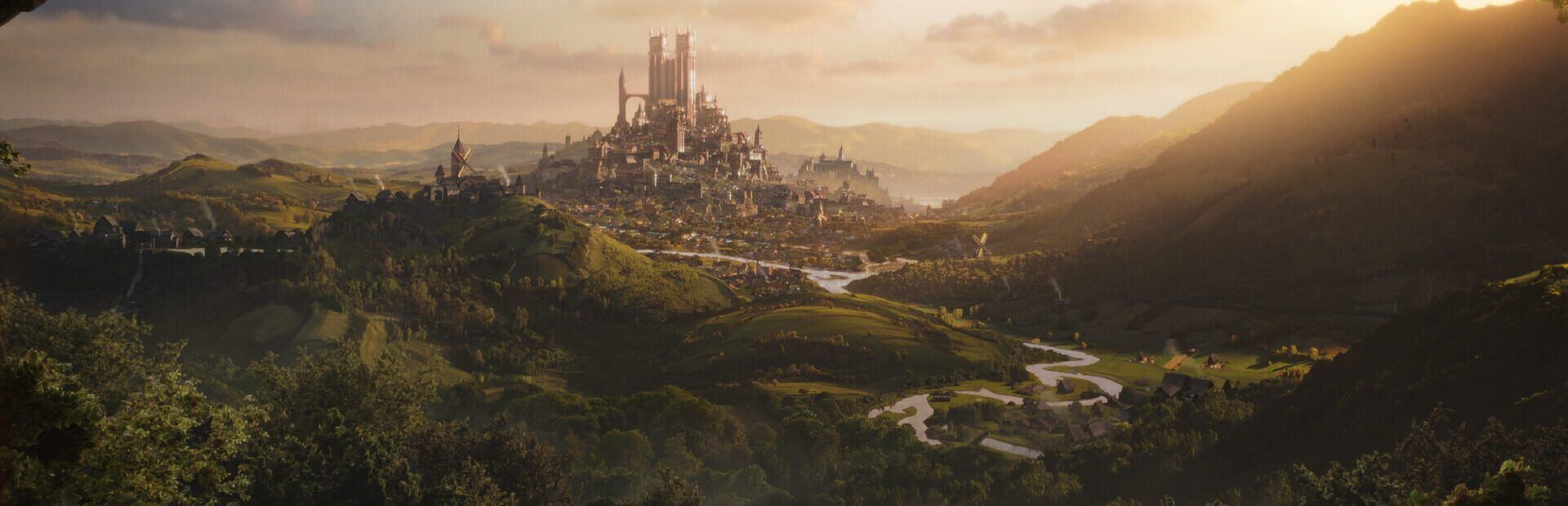

Playground’s Fable reboot has slipped to February 2027. Here’s why Xbox moved it, how a stacked 2026 slate and GTA 6 shaped the decision, and what fans should look for in the promised “major new look” at the upcoming Xbox Games Showcase.
Microsoft has finally confirmed what many Fable fans suspected: the long‑awaited reboot is no longer a 2026 game. Instead, Playground’s return to Albion is now penciled in for February 2027, with Xbox promising a “major new look” at the upcoming Xbox Games Showcase.
The news stings for players who have already watched Fable slip from an early internal 2025 target into a 2026 window, and now into the following year. But the reasoning, based on what Xbox and multiple reports have outlined, says more about scheduling and market reality than a project in crisis.
Why Fable moved to February 2027
In its announcement, Xbox framed the delay as a way to give Fable “the dedicated moment it deserves.” That is a polite way of saying two things at once: the internal calendar for 2026 is overloaded, and Grand Theft Auto 6 is looming over the back half of the year.
Fable was previously lined up for fall 2026, which would have put Playground’s first open world action RPG directly in the blast radius of Rockstar’s juggernaut and a run of other major Xbox‑published titles. Even if the game were ready, launching a slower‑burn RPG revival in the same season as GTA 6 would be a quick path to being overshadowed.
The move to February 2027 does three important things for Xbox. First, it shifts Fable into a much quieter part of the release cycle where an RPG with a lot of word‑of‑mouth potential can breathe. Second, it lets Microsoft spread its first‑party releases more evenly after what is shaping up to be one of the busiest years in the brand’s history. Third, it buys Playground a bit more time on a project that has already expanded in scope from a nostalgic throwback to a full modern reboot.
Crucially, leadership at Xbox, including Matt Booty, is stressing that Fable is in “great shape” and that the delay is not about rescuing a troubled game. That messaging is consistent across outlets, which strongly suggests this is a strategic repositioning rather than a fire drill.
Xbox’s crowded 2026 slate and what it means for Fable
Look at 2026 from Xbox’s perspective and the decision comes into focus. Internally and externally, the year is already headlined by an aggressive run of tentpole releases across multiple genres. You have new entries from long‑running shooter series, major licensed projects, and multiplatform heavyweights all converging on the same window Xbox originally eyed for Fable.
The issue is not just GTA 6, although that is clearly the biggest gravitational force. It is the simple problem of audience attention. Putting Fable into a fall that already has multiple cinematic action games, live service shooters, and at least one annual blockbuster under the Call of Duty banner risks splitting Xbox’s own marketing focus. The brand spends years telling you that each first‑party project is a pillar of the platform. When too many of those pillars try to occupy the same quarter, something has to give.
Fable is not a quick, disposable launch. It is supposed to be a generational reboot of an iconic Xbox RPG, one that can potentially live for years through expansions, PC mod support, and Game Pass visibility. That kind of release benefits from air around it. It needs weeks where it can dominate the news cycle, Xbox dashboard placement, and the social media conversation. That is nearly impossible if it stays pinned to late 2026.
Moving to early 2027, on the other hand, turns Fable into one of the first big, prestige RPGs of the year. It can act as an anchor for Game Pass in the first quarter, drive new hardware and subscription bundles after the holiday season, and set the tone for whatever strategy Xbox is pursuing with multiplatform releases. If the game does eventually hit PlayStation 5 alongside Xbox and PC, it also arrives in a quieter third party window where it has a much better shot at being a cross‑platform event.
The other factor is perception. After years of criticism about slow first‑party output, Xbox is now in the awkward position of having a lot of content but needing to pace it. Dropping everything in 2026 might satisfy short‑term demand but leave 2027 looking sparse. Fable becomes a cornerstone of that 2027 lineup, a clear signal to fans that the pipeline is ongoing rather than a single‑year spike.
What fans should watch for in the “major new look”
The delay news came paired with a promise: a substantial new showing of Fable at the Xbox Games Showcase. That creates a different kind of pressure for Playground. If Xbox wants fans to accept a longer wait, it has to demonstrate that the game is not just alive but rapidly approaching a final form.
There are a few key things to watch for when that presentation hits.
The first is clarity of vision. Earlier trailers leaned hard into the dry, very British humor that defined the original trilogy while only hinting at how exploration, combat, and choice really work. A major new look needs to answer concrete questions. How open is the world in practice? Are we dealing with a single contiguous Albion, or a cluster of large regions tied together through narrative? What kind of quest structure is Playground building, and how reactive is the game to player alignment the way classic Fable was?
Second is how the studio is balancing tone. Fable has always walked a tightrope between fairy tale whimsy and surprisingly dark moral choices. The reboot’s early footage showed a more grounded art direction without abandoning the series’ exaggerated characters. Fans will want to see if that style holds up in extended gameplay. Does the combat have the snap of a modern action RPG while still supporting silly spells, slapstick outcomes, and the playful use of magic the older games encouraged? Or has the game been pulled toward a safer, generic fantasy look to appeal to a wider audience?
Third, pay attention to systems depth. Playground built its reputation on Forza Horizon, where progression, customization, and emergent open world events are the heart of the experience. Fable is the studio’s chance to apply that design DNA to character building and role playing. A meaningful showcase would dive into how players shape their hero: skill trees, weapon categories, spell schools, and how visible morality shifts change not just appearance but the reactions of NPCs and even whole towns.
If Xbox is confident enough to talk about co‑op, that will be a huge moment. The original Fable series flirted with multiplayer in uneven ways. A modern reboot that bakes in seamless drop‑in co‑op or shared hubs would immediately differentiate it from more solitary fantasy RPGs, but it would also help justify the long development and the shift into a full live platform on Game Pass.
Fourth is the question of long‑term support. With live service fatigue setting in across the industry, Fable has an opportunity to present a different model. Look for hints about post‑launch expansions rather than seasonal battle passes. A roadmap that talks about major narrative add‑ons, new regions of Albion, or even time‑limited morality‑driven events would align well with the franchise’s legacy and current sentiment about sustainable live games.
Finally, pay close attention to how Playground and Xbox talk about platforms and performance. Fable is confirmed for Xbox Series consoles and PC, and reporting has pointed to a wider multiplatform approach for first‑party titles. If Microsoft starts foregrounding parity between platforms, talking about performance modes, ray tracing support, and cross‑save across ecosystems, that will be a strong clue about how it intends to position the game in the broader market.
Why the delay might actually be good for Fable
For long‑suffering fans, another delay feels like history repeating. The original Fable games were notorious for over‑promising and slipping. The difference this time is that Playground has a track record of shipping polished open world titles and has repeatedly positioned Fable as a project that will not be rushed out to hit an arbitrary date.
Avoiding a direct clash with GTA 6 is not cowardice. It is acknowledging that even great games can get lost if they compete for the same week of mindshare as the biggest cultural event in the medium. By carving out a smoother runway in 2027, Xbox is increasing the odds that Fable can launch in a more stable technical state, earn stronger reviews, and build the kind of slow‑burn community an RPG like this needs.
It also gives the team time to tighten the small details that will make or break the reboot in the eyes of fans who grew up with Lionhead’s work. The right mix of expressive NPCs, reactive towns, and silly side activities is not easy to nail. Neither is the soundtrack, which has to thread the needle between nostalgia and a new identity. Another year of iteration on those elements might matter more than squeezing in a few extra graphical bells and whistles.
From a franchise perspective, the worst outcome would be rushing Fable out into a hostile window, letting it underperform, and then using that as evidence that single player fantasy RPGs are too risky for Xbox. A stronger, better positioned launch in early 2027 could instead make Fable the example leadership points to when arguing for more big, character‑driven projects in the future.
The wait to return to Albion
Nobody likes seeing a long awaited reboot slip further away, especially one that has been in the public eye since 2020. But taken in context, Fable’s move to February 2027 looks less like a sign of trouble and more like Microsoft finally using its larger portfolio to protect a cornerstone RPG.
The real test will come at the Xbox Games Showcase. If the promised major new look delivers clear, extended gameplay, answers fundamental questions about systems and structure, and shows that the heart of Fable is intact beneath modern production values, fans will likely accept the extra year and a half. If the showing is vague, cinematic, or light on real mechanics, concern about the long road to release will only grow.
For now, the path back to Albion is longer than expected, but it may end up smoother. Fable does not need to win a crowded fall or outgun GTA 6. It just needs to feel like Fable again, and when it finally arrives in early 2027, it might at last have the stage it needs to prove that Playground can pull off one of the most ambitious reboots in Xbox history.