
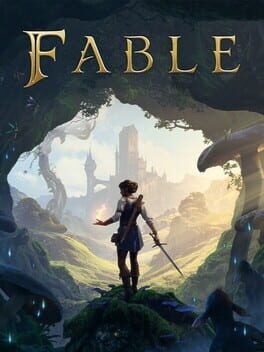

A platform‑agnostic look at Playground’s 2026 Fable reboot: how it reimagines Albion, evolves the series’ trademark humour and morality systems, and why launching day‑and‑date on PS5, Xbox, and PC is such a turning point for the franchise.
Fable is finally real, finally dated, and finally not tied to a single platform. After years of teasers and tonal trailers, Playground Games has confirmed that its reboot of the legendary RPG series will arrive in Autumn 2026 on Xbox Series X|S, PS5, and PC on the same day.
This is more than a nostalgic revival. From what Microsoft and Playground have shown so far, Fable is using modern tech and design trends to rebuild Albion from the ground up, while still leaning into the mischievous humour and messy morality that defined the originals.
A New Albion, Not Just A New Coat Of Paint
Playground’s Fable is positioned as a clean starting point. It carries no number, no subtitle and no requirement to remember the convoluted timeline of the old trilogy. Everything shown so far presents Albion as a familiar yet freshly imagined fairy‑tale kingdom that has grown along with RPGs themselves.
Visually, Albion trades the slightly muddy fantasy of the mid‑2000s for a storybook look with high‑end rendering. Towns bustle with detail and personality, forests glow with saturated colour, and the creatures of legend have more presence than ever. This is not photorealism so much as prestige fantasy: exaggerated silhouettes, expressive faces and theatrical lighting designed to sell both slapstick gags and dramatic choices.
The world structure has changed too. Playground is building Fable as a fully open world, not a string of large zones connected by loading screens. Albion feels like a continuous landscape this time, from sleepy villages to cursed ruins, with the promise of fewer invisible walls and more freedom to wander off the critical path. For a series that always wanted you to poke at its edges, that shift to a seamless map could be transformative.
At the same time, there is a clear effort to preserve the specific British flavour that made Fable stand out. The environments are not generic high fantasy. They look like storybook versions of the English countryside, complete with crooked cottages, overgrown lanes and village greens that feel primed for impromptu pub brawls and ill‑advised dares.
Tone: Dry British Wit Meets Modern RPG Storytelling
Fable earned its reputation on tone as much as systems. Playground is openly promising to recapture that blend of dry British humour, playful cruelty and earnest heroism, and the new trailers make that intent obvious.
The writing leans into sardonic narration, bizarre side characters and punchlines that undercut grandeur at every turn. Heroes might strike a classic RPG pose while surrounded by villagers who are clearly unimpressed. Threats are monstrous but often ridiculous. And yes, chicken kicking is back as a recurring gag, a kind of low‑stakes litmus test of how cruel you want to be when no one important is watching.
Underneath the jokes, though, the studio keeps talking about Fable as a story about what it means to be a hero. That line has been part of the marketing since the game’s re‑reveal, and it matters. Albion is still a fairy tale, but it is a fairy tale aimed at an audience that has spent the last decade with The Witcher, Elden Ring and Baldur’s Gate 3. Playground has to walk a line between absurd sketches and character arcs that feel genuinely earned.
What we have seen so far suggests a slightly sharper edge to the humour. The world is brighter and more whimsical than most modern RPGs, but there is an undercurrent of cynicism about fame, legend and the gap between a heroic reputation and the messy person behind it. That balance could be the key to making Fable feel contemporary without losing its identity.
Morality Reimagined As “Playful Moral Chaos”
The original Fable games were built on simple, visible morality systems. Do good things and you grew a halo. Commit crimes and your hero sprouted horns while villagers booed. It was blunt, but it was also immediate, and it made the world feel reactive even when the underlying mechanics were basic.
Playground keeps describing the new game’s morality as “playful moral chaos,” which suggests a looser, more situational approach rather than a single good‑versus‑evil slider. The idea seems to be that Albion constantly nudges you into situations where the funniest or most tempting option is also slightly awful, and then lets the consequences spiral.
From the material shown so far, there are two big shifts.
First, morality looks more woven into moment‑to‑moment play. Morally charged choices are not just big menu prompts at the end of quests. They bubble up as you explore, talk to strangers or improvise solutions to problems. Harassing chickens or pranking townsfolk is now part of the fabric of the world rather than a one‑off mini‑game.
Second, the reaction to your behavior appears more nuanced. Rather than a binary alignment, villagers and factions react based on reputation and the specific flavour of your mischief. Being a selfish show‑off might earn you fame but also resentment. Quiet acts of kindness might not change your appearance, but they could build pockets of loyalty that pay off later. The moral feedback loop feels closer to a social simulation than a morality meter.
Playground has not detailed a full alignment UI yet, and there is still room for surprises, but everything about the messaging points toward a system that keeps the immediacy of Fable’s old horns‑and‑halo theatrics while letting choices land in greyer, more interesting spaces.
Combat And Progression: Weaving Styles Into Your Hero
Another major pillar of the reboot is combat. Playground calls its approach “style weaving,” where the core fantasy is not picking a static class but freely blending melee, ranged and magic to suit any moment.
In practice, that means the traditional Fable triad of sword, bow and spell is still in play, but the friction between them is being reduced. Trailers show heroes vaulting from melee combos into spell blasts, then finishing an enemy at range without clunky weapon‑swap pauses. The combat pacing looks closer to a modern character‑action game than a mid‑2000s action RPG.
This has implications for progression too. Instead of building a pure warrior or pure mage, your character grows into a reflection of how you actually fight. Favour heavy melee finishers and your talents might skew toward brutal close‑quarters tools. Lean on magic and you will likely unlock more spectacular battlefield control options. That subtle shading between builds could restore some of the power‑fantasy feel that defined Fable II at its best, while giving high‑level combat more mechanical depth.
Importantly, this more expressive combat style fits neatly with the morality focus. The way you handle enemies in the field and troublemakers in town can help define your persona as much as dialogue choices. Do you humiliate foes, obliterate them, or scare them into surrender? In a world obsessed with stories of heroes, style becomes part of your legend.
Why Day‑One On PS5 Matters For Fable’s Future
In isolation, none of these design decisions would matter if Fable were still locked to a single ecosystem. What turns this reboot into a genuine turning point for the series is its simultaneous launch on Xbox Series X|S, PS5 and PC.
Historically, Fable has been synonymous with Xbox. The original trilogy never touched a PlayStation system, and its identity was wrapped up in Microsoft’s early push to establish a Western RPG flagship. Bringing the reboot to PS5 on day one breaks that legacy and instantly changes the size and shape of its potential audience.
For the franchise, that means several things at once.
Fable suddenly has the chance to reintroduce itself to an entire generation of players who may only know it by reputation or backwards‑compatible re‑releases. PlayStation owners who grew up on different fantasy RPGs will be meeting Albion fresh, free of nostalgia’s blind spots. If Playground succeeds in making this reboot feel like the definitive modern Fable, it will not just be preaching to the choir of Xbox fans.
Multiplatform parity also raises the bar for support. System‑agnostic design encourages a healthier focus on the game itself rather than platform features. Future updates, expansions or sequels can be discussed in terms of what is best for Albion and its community, not for any one console’s ecosystem.
Finally, a day‑and‑date release across Xbox, PS5 and PC sends a signal about how serious Microsoft and Playground are about positioning Fable as a premier RPG rather than a nostalgic curio. After a decade where the franchise was dormant and its original studio closed, giving this reboot a broad stage is a statement of confidence.
A Fairytale Second Chance
Taken together, everything shown so far paints Playground’s Fable as a careful remix. Albion is brighter, larger and more technically sophisticated, yet still anchored by sardonic humour, chaotic morality and the constant invitation to misbehave. Combat is faster and more expressive, the world more continuous and reactive, and the audience bigger than it has ever been.
The Autumn 2026 release window sets a clear target for one of the most watched RPG reboots of the generation. Whether you come from the original Xbox era or you are a PS5 player finally setting foot in Albion for the first time, Fable is being built as a new starting point. If Playground can deliver on its promise of playful moral chaos in a truly open Albion, this reboot could turn a once‑dormant cult classic into a modern pillar of the genre.