
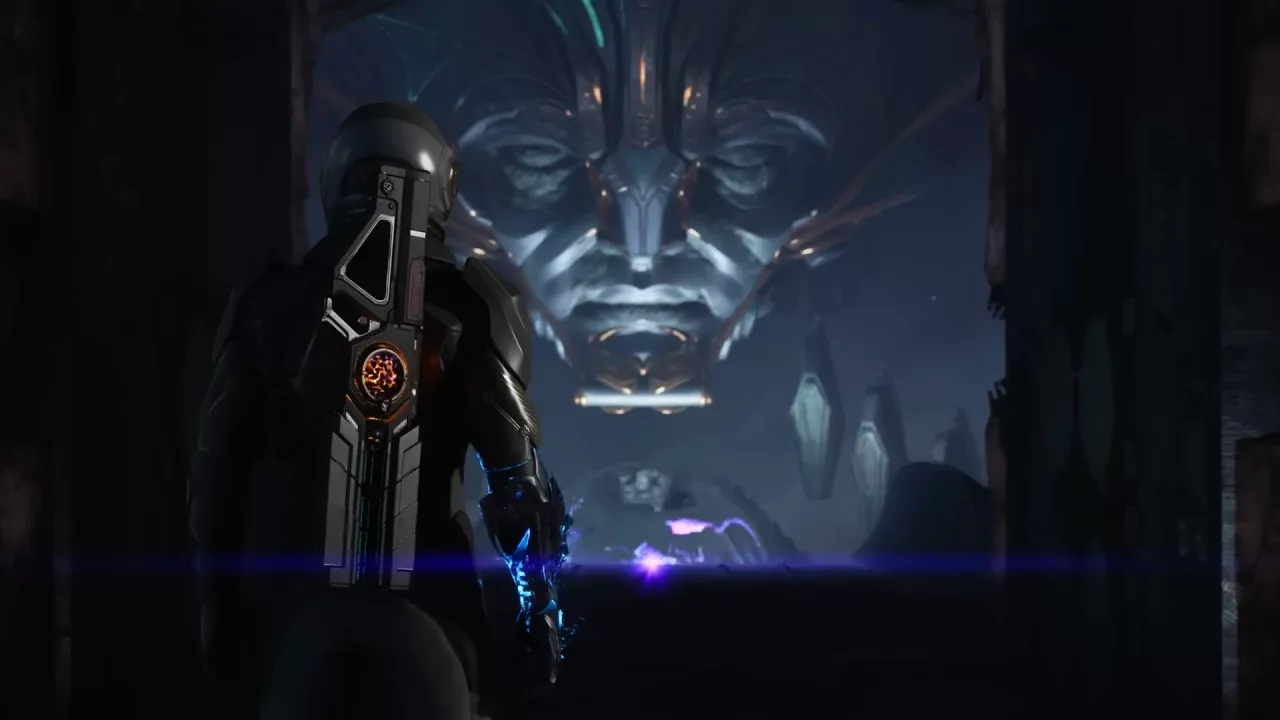
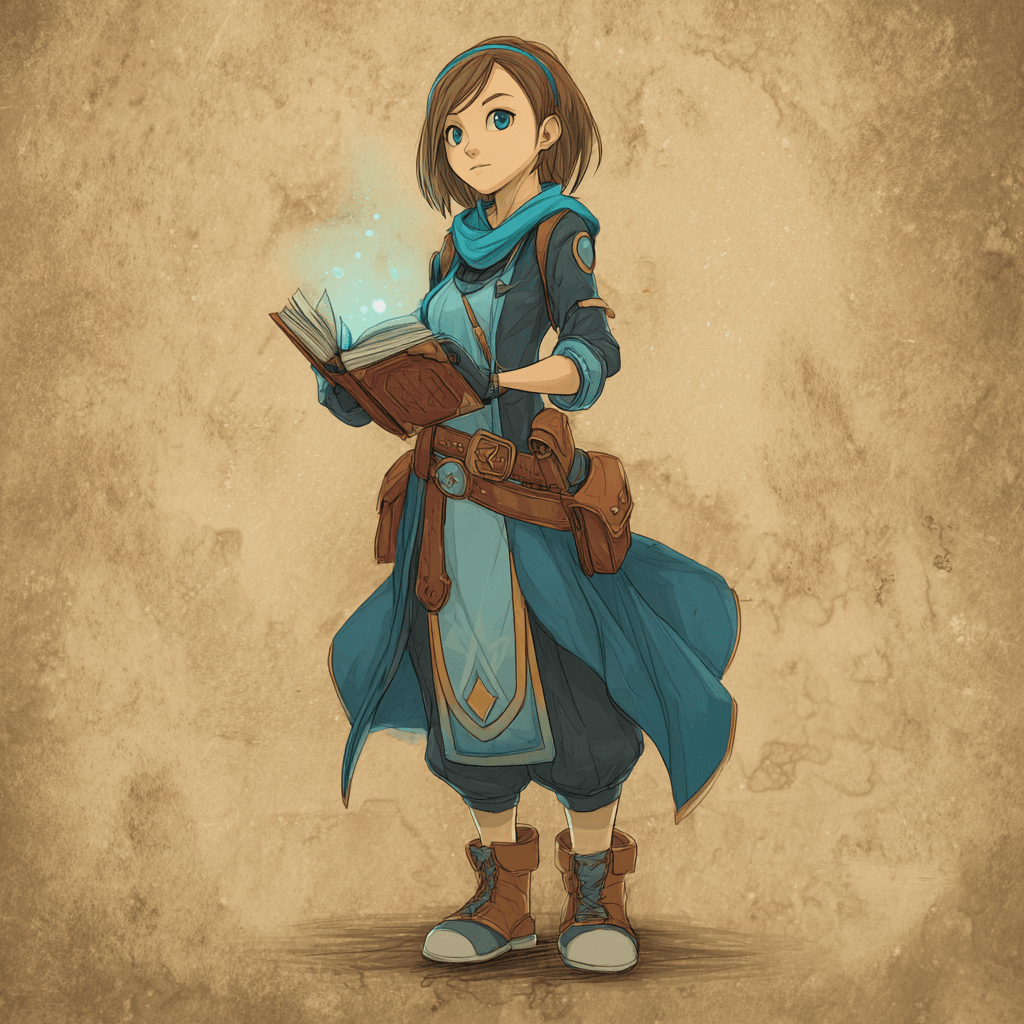
Archetype Entertainment has dated Exodus for April 7, 2027. Here is what the Gamescom reveal confirms about platforms, companions, time dilation, and the Mass Effect comparisons.
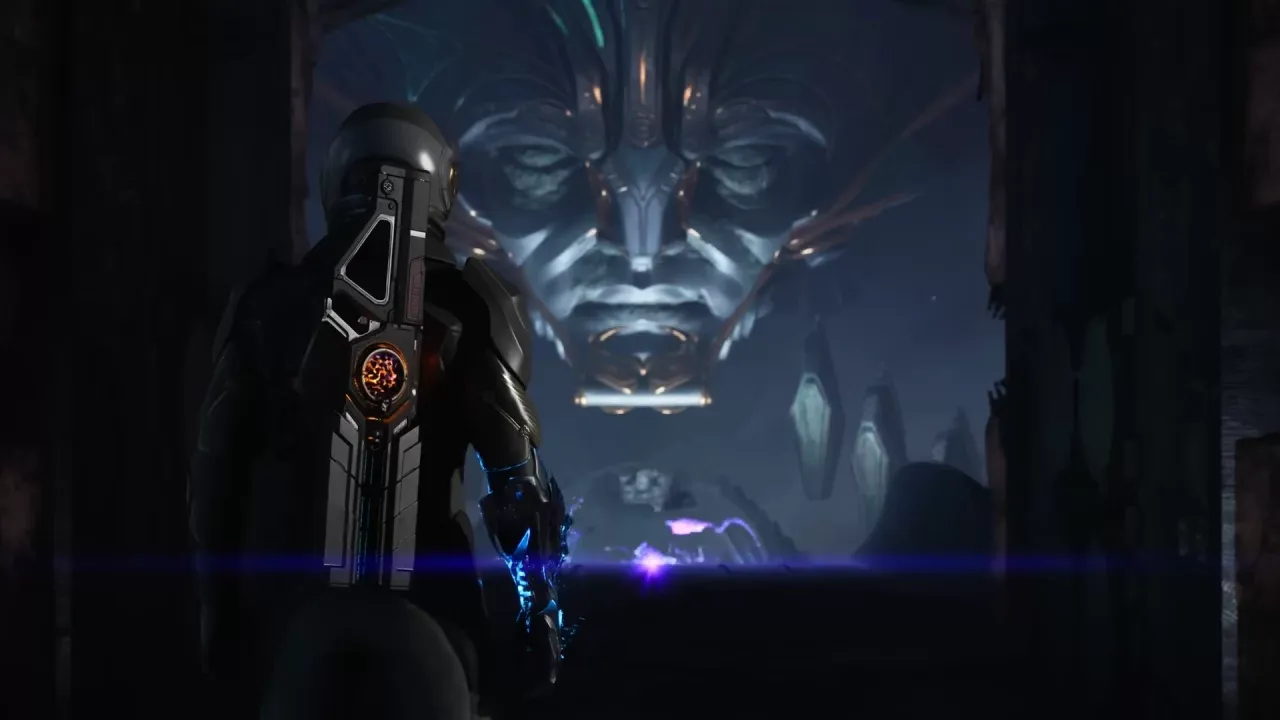
Image: rpgfan.com
Exodus now has a firm April 2027 date, and a long runway to prove itself
Archetype Entertainment’s Exodus is scheduled to launch on April 7, 2027, following a release date reveal during Gamescom Opening Night Live 2026. Console Creatures, IGN, Eurogamer, PCGamesN, Push Square, and Wccftech all report the same date, which puts the sci fi RPG 2027 contender on the calendar for PlayStation 5, Xbox Series X|S, and PC.
The PC situation is also clearer than the date alone suggests. IGN, Eurogamer, PCGamesN, and Wccftech report that Exodus is coming to Steam and the Epic Games Store. PCGamesN adds that preorders have not opened yet, so the practical purchase questions remain unanswered for now: no listed editions, no confirmed price, no PC requirements, and no early access details in the provided reporting.
That leaves the strongest confirmed development as simple but important: the Exodus release date is no longer a vague future promise. It is an April 7, 2027 target across current-generation console and PC platforms. The tension is that Archetype has dated a large, choice-driven, companion-heavy RPG nearly two years out from its Gamescom showing, while much of the information RPG players use to plan a purchase, such as performance targets, build depth, and how consequences are tracked, is still being revealed in pieces.
The Gamescom trailer put Salt, not the release date card, at the center
The new Gamescom trailer did more than attach a date to Exodus. Its showcase character was Salt, an Awakened octopus companion who pilots a combat mech. IGN describes the Awakened as hyper-intelligent animals and wildlife in the Exodus universe who can communicate with humans. Eurogamer similarly reports that Salt is an awakened octopus, part of a broader setting where many animals share that state.
Across the reports, Salt’s combat role is unusually specific. Console Creatures says Salt’s mech specializes in long-range sniping, evasiveness, and ink-like smokescreens that disorient enemies. IGN reports that she is one of several party members players will gather, and that she can use an ink smokescreen to provide cover in combat. Wccftech describes her as an Awakened octopus mercenary and bounty hunter, while PCGamesN notes that her strengths include sniping and smokescreen creation.
For an RPG player, that is a meaningful reveal because it frames companions as mechanical tools as well as story anchors. Salt is not being presented only as a colorful mascot in the provided materials. The reports describe a party member with battlefield utility, a defined range profile, evasive behavior, and a defensive disruption tool. If Archetype’s full companion roster follows that structure, party composition may matter in the familiar RPG sense: who you bring could shape how you approach enemy control, survivability, and ability chaining.
The trailer also positions Salt narratively. Console Creatures reports that Salt and protagonist Jun Aslan come from different worlds but work together against the same enemy while trying to protect their homes. IGN says Salt gives Jun a hard time, can be confrontational, and is emotionally driven to protect her species and homeworld. That combination, a strong tactical role plus a personal stake, is the clearest reason the latest showing has intensified the Mass Effect style RPG conversation.
Why Exodus keeps being compared to Mass Effect
The Mass Effect comparison is coming from several directions, and it is not difficult to see why from the sourced details. Push Square calls Exodus a Mass Effect-inspired sci-fi RPG and describes its pitch as a custom ship captain who can be pushed toward being kind or much harsher. IGN calls the combat shown in a previous extended gameplay reveal reminiscent of Mass Effect, citing shooting mechanics and the commanding of party member abilities. PCGamesN says Exodus is being viewed by many as a spiritual successor to Mass Effect because of its choice-based mechanics, companions, combat, and exploration missions.
The studio pedigree deepens that association. Eurogamer reports that Exodus is in development at Archetype Entertainment, a Wizards of the Coast studio made up of former BioWare developers, including Drew Karpyshyn, lead writer on the Mass Effect series. IGN identifies Karpyshyn as narrative director on Exodus and notes his BioWare background as senior writer on Star Wars: Knights of the Old Republic and lead writer on Mass Effect. PCGamesN adds that Archetype has staff with experience from BioWare, 343, Electronic Arts, Naughty Dog, and other triple-A studios.
Those facts support the comparison, but they do not prove that Exodus will play like a BioWare game at launch. The evidence so far points to a shared vocabulary: third-person action RPG combat, squad members, choices, moral framing, powers, a ship-captain fantasy, and a space opera structure. Whether Exodus can match the pacing of loyalty quests, the reactivity of major choices, or the chemistry of a companion cast is still untested in the source material. For now, the comparison is useful as a genre map rather than a verdict.
Time dilation is Archetype’s clearest attempt to step out of Mass Effect’s shadow
The most distinctive confirmed idea in Exodus is time dilation. PCGamesN reports that the game will progress decades ahead as players travel at lightspeed, letting players see the long-term impact of decisions and chosen paths. Eurogamer gives the most detailed description among the provided sources: special long-distance “exodus” missions require travel near the speed of light, and when that happens, time changes relative to the people Jun leaves behind. Minutes can pass for the player while hours, weeks, months, or years pass elsewhere.
That is the system that could make Exodus feel different from its most obvious reference point. Many choice-driven RPGs save consequences for a later act, a sequel, or a slide at the end. The reports suggest Exodus wants to fold delayed consequences into the act of travel itself. In progression terms, that changes how a player might think about quests. A decision is not only a moral selection or faction flag if the world can age around it while Jun is away.
The unanswered question is how tightly this is wired into moment-to-moment play. The sources confirm the premise and its narrative function, but they do not confirm how often time dilation triggers, whether it affects hub areas, vendors, companion states, settlements, romance paths, enemy factions, or build options. As an RPG systems reader, that is the place to watch. A time jump is easy to present as a story beat. A time jump that consistently reshapes quests, resources, relationships, and ability planning is a much harder design problem.
Jun Aslan, alignment, and progression are the build questions to watch
Console Creatures reports that players take on the role of Jun Aslan, described as a “scrappy scavenger” who becomes a Traveler and ventures across the Centauri Cluster. The same report says Jun leads a crew of companions across dangerous regions of space while exploring ancient ruins for something that could have saved his homeworld from the Rot, a Celestial virus ravaging humanity.
Character customization is confirmed in broad terms. According to Console Creatures, players can customize Jun’s physical appearance and choose to be a male or female Traveler. The same report says players can choose to be a Paladin or Immortal, and that this alignment changes how the world responds to Jun. More importantly for progression-minded players, Console Creatures reports that each alignment is directly tied to progression, determining which abilities can be upgraded and how powers evolve.
That is one of the most consequential design notes currently attached to Exodus. If Paladin and Immortal are more than dialogue labels, the choice could shape a build path from early in the game. It also raises a classic RPG concern: whether role-playing flexibility is rewarded, or whether the system pushes players to commit to one side to avoid weakening a character. The provided sources do not answer whether mixed behavior is supported without penalty, how many abilities are locked behind each path, or whether respecs exist. What is confirmed is that alignment, world response, ability upgrades, and power evolution are linked.
PCGamesN also reports that another companion, Emrys, fights alongside Jun and Salt. According to that outlet, Emrys uses remnant orbs to weaken enemies. Wccftech describes Emrys as a member of the Deva, an enigmatic Celestial species defined by many consciousnesses, and says Emrys channels stolen power back into Jun as protection. Between Salt’s range and disruption kit and Emrys’ weakening and protection role, Archetype is beginning to show a squad system built around battlefield functions rather than interchangeable followers.
The platform plan is clear, but the buying advice is still to wait for harder specs
For players tracking the Exodus RPG April 2027 launch, the confirmed platform plan is straightforward: PlayStation 5, Xbox Series X|S, and PC via Steam and Epic Games Store. There is no Nintendo Switch 2 version in the provided reporting, and no last-generation PlayStation 4 or Xbox One version is listed by the sources. No cloud version, Game Pass plan, collector’s edition, upgrade path, or price has been confirmed in the supplied material.
Push Square notes that the April 7 date places Exodus after the packed February and March release period, though still with competition. That is a reasonable calendar read rather than a publisher promise. For RPG fans, the timing may be useful: a large single-player RPG launching in early April gives players a clearer window than the traditional early-year pileup, but Exodus will still need to make its case close to release with performance details and deeper systems footage.
The safest current guidance is to wishlist rather than preorder, especially because PCGamesN reports that preorders are not yet open. Wccftech reports that Archetype has already passed 500,000 wishlists and unlocked a first milestone reward set including a Celestial Star Map decoration for the player’s in-game apartment, concept art, and the music track “Elegy for a Forgotten World.” That wishlist campaign signals active audience-building well before release, but it does not replace the missing practical data buyers need.
Before launch, the key things to watch are PC requirements, console performance targets, how party commands work in live combat, whether Paladin and Immortal progression allows flexible role-play, and how often time dilation changes quests rather than only cutscenes. The April 2027 date gives Archetype a firm endpoint. The next year and change needs to show whether Exodus can turn its strongest premise into RPG structure.