
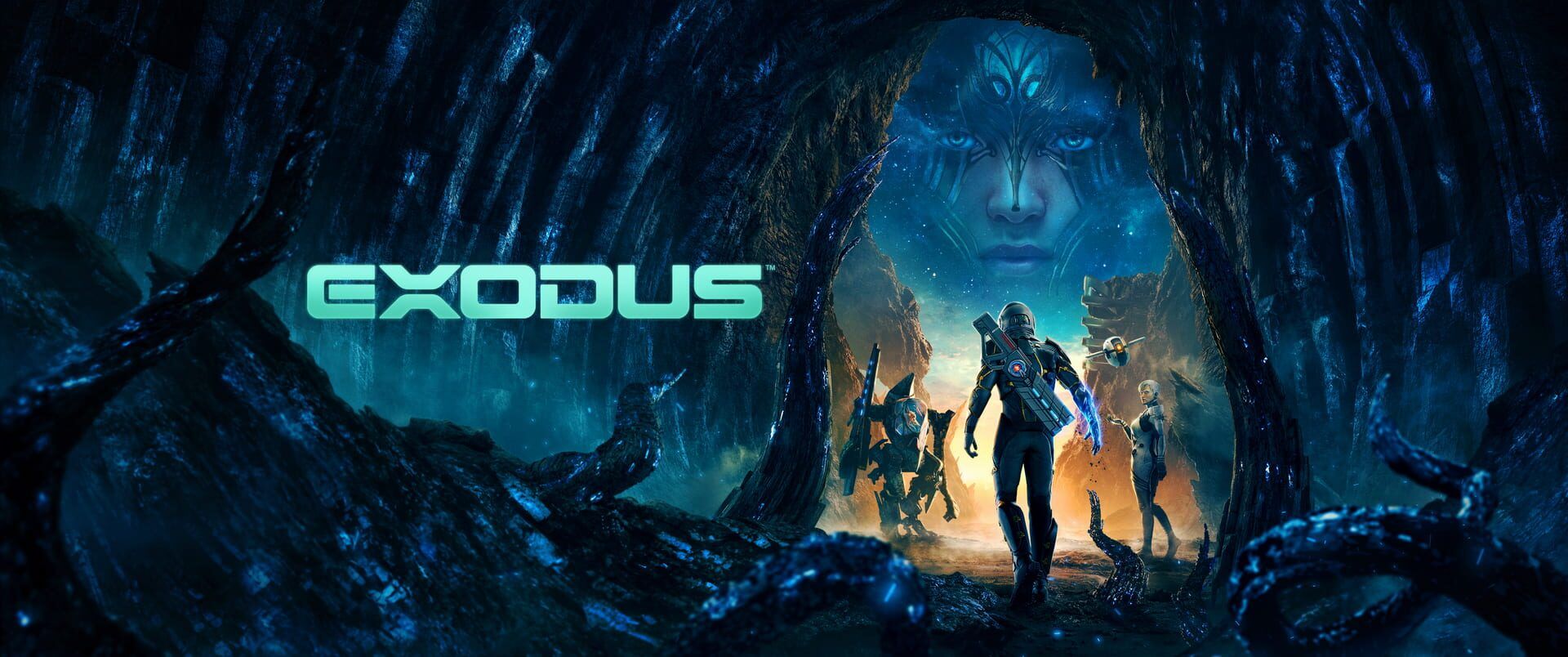

A deep dive into Exodus’ new gameplay reveal, breaking down the time dilation system, morality paths, combat abilities, and why building a massive narrative sci‑fi RPG is so tough.
Exodus has finally shown what it really is: not just “Mass Effect by ex‑BioWare devs,” but a big, strange sci fi RPG that wants your decisions to echo across generations. The new 20 minute gameplay demo and a round of interviews have sketched out how its systems actually work, from its much talked about time dilation to a flexible combat toolkit and a morality model that pulls on your conscience instead of your stat screen.
Time dilation as a core gameplay loop
The hook of Exodus is that you are a Traveler, leaving the human city of Persepolis to venture out into a cluster of distant worlds in search of ancient Celestial tech and a cure for the Rot. Every time you jump to another star system, you are trading years of life back home for hours or days of real time missions.
In practice, that time dilation is not just a story flourish. It structures the entire campaign. You embark on a mission, make choices about who lives, who dies, and which factions you empower, then return to Persepolis to see how the clock has skipped forward. NPCs age, power structures shift, and earlier decisions have hardened into new realities. Sometimes people you left as children will greet you as adults. Sometimes people you failed are simply gone.
The developers describe this as a way to make every jaunt into the cluster feel weighty. Heading back out again is not just a matter of checking off another quest; it is committing to losing more time with your home and the people you care about. It is a simple science fiction idea applied in a way most RPGs have never attempted, where the gap between main missions becomes a narrative tool instead of just downtime.
Player choice and morality over a long horizon
Exodus still has the familiar language of RPG morality, with two broad identities you can lean toward. The Paladin path represents a more traditionally heroic, self‑sacrificing Jun Aslan, while the Immortal path reflects a colder, more survival‑at‑any‑cost mentality. That sounds like standard Paragon versus Renegade, but the time dilation twist changes how these choices land.
In the moment, you might vent a room and kill enemies the fast way, knowing that some innocents will die with them. You might hand a powerful relic to a faction that promises quick progress against the Rot but clearly has its own agenda. The payoff is not a quick “good” or “bad” popup; it is what you come back to after another long trip. Maybe the people you empowered have entrenched themselves as a harsh new authority in Persepolis. Maybe the lives you spared on a backwater world have founded a new settlement that now matters in galactic politics.
Companions are the pressure valve on this system. Tom, Elise in her mech, the awakened octopus Salt, Phaedra the researcher, and the enigmatic CC Orlowe all react to what you do, shifting approval and even their willingness to back you up. Paladin choices might shore up some bonds and strain others, while Immortal choices could attract allies who prefer a strong, ruthless leader. Because years can pass between visits, you are not just watching relationship bars move; you are watching how those relationships age and evolve around the ripples of your travels.
The developers have been clear that agency is the point here. They want Exodus to be replayable not by tweaking numbers, but by making your stance on the Paladin–Immortal spectrum and your handling of key missions genuinely change the shape of history you return to, sometimes hundreds of years later.
How combat ties into identity
The latest gameplay slice paints Exodus as a hybrid of tactical shooter and power fantasy. Combat flows between stealth and loud action, with your loadout and abilities pushing you in one direction or the other.
On the baseline side, you have a modular firearm that can shift between modes. Repeater mode is your mid‑range workhorse, Shredder mode chews through enemies up close, and Piercer mode gives you long‑range precision. That one weapon is designed to keep encounters flexible without drowning you in a dozen rifles.
Layered on top of that are your abilities. The Scramble Cloak lets Jun slip into invisibility, close gaps, and perform stealth takedowns. It can be used as a get‑out tool too, turning a bad push into a hard reset as you vanish and reposition. Stealth is not just about avoiding combat entirely; the footage shows it used to quietly disable turrets and defenses, then kick off a fight on your own terms.
The other big pillar is the gauntlet Jun inherits from his father. This Celestial artifact is a programmable piece of the level itself, capable of pulling up cover where there is none, reshaping terrain, or creating sudden advantages. In the demo it is used to raise hard cover in the middle of a chaotic firefight, but the promise is broader. If Archetype follows through, this should give you ways to sculpt the battlefield instead of just reacting to it.
Additional abilities like Lance extend that theme of precision control. Lance functions as a focused, high impact attack that can crack armor or puncture priority targets. Combined with your weapon modes and cloak, it pushes combat away from pure run and gun and toward something more deliberate, where setting up the right opening matters as much as raw DPS.
This all ties back into the broader identity system. Choosing to cloak, sneak through vents, and isolate targets feels in line with a Paladin trying to minimize collateral damage, while calling in heavy ordinance and environmental kills fits an Immortal who views bystanders as acceptable losses. The game does not hard code these playstyles into the morality paths, but when outcomes can ripple for decades, how you fight is another way you define who Jun is.
Building a huge sci fi RPG around cause and effect
Under the hood, what Exodus is attempting is brutally difficult. Most narrative RPGs, even the best of them, are built around “short” consequences that pay off within a questline or a single game. A choice you make early might change some late dialogue or an ending slide, but the world usually snaps back to a familiar baseline so the designers can keep scope under control.
Exodus tries to get around that through structure. Time dilation gives the writers clean breaks where they can advance the simulation. Each jump is a chance to advance NPC ages, shuffle the political deck, and update faction power levels without having to simulate every day in between. It is a clever way to fake generational change without trying to track everything in real time.
At the same time, that structure raises new problems. The team has to plan for what Persepolis looks like after thirty missions played in wildly different moral styles. They have to decide which choices truly reshape the city and which are just flavor, or the web of permutations would explode. They also have to keep the story legible; if every return to Persepolis is a completely different version of the city, it becomes difficult for players to feel grounded.
Then there is pacing. A traditional RPG can rely on a steady back and forth between hub and field, with NPCs largely waiting for you. In Exodus, the longer you spend bouncing between frontier planets, the more time you “burn” on the people you know. That means each hub visit has to carry emotional weight, with visible changes and new problems that feel like direct consequences of your previous runs. The challenge is giving players enough freedom to wander without making them feel like they are accidentally abandoning everyone they care about.
Technically, stitching all this together into a seamless experience is just as hard. The team at Archetype is promising a single player epic where your choices matter not just to a squad or a ship, but to a civilization sliding along a different clock than you are. That requires careful save data tracking, smart use of cinematic shortcuts, and a lot of bespoke content that some players may never see.
Where Exodus stands after the latest reveal
The new gameplay look is the clearest indication yet of how Exodus is trying to thread the needle between familiar space opera comfort and something stranger. The shooting, squad interplay, and cinematic presentation are aimed squarely at fans of classic BioWare, but the time dilation system presses into territory few games have touched, let alone at this scale.
If Archetype can keep that system legible, make good on the promise of long‑tail consequences, and let combat and morality feed into each other in ways that feel natural instead of binary, Exodus could end up being more than a nostalgia piece. It could be one of the first sci fi RPGs where leaving on a mission genuinely feels like stepping away from a living world, not pausing it.
There is still a long road to its planned early 2027 launch, and a lot of questions about scope and payoff will not be answered until players get hands on. But after this latest reveal, Exodus finally looks like its own thing, with a clear thematic throughline: every trip you take to save humanity costs you time with it.