
How Tallongast, Spitetangle, and Echo of Hate close out Shattering of Ro’s raid progression, reshape endgame expectations, and prove why EverQuest’s raid cadence still matters in 2026.
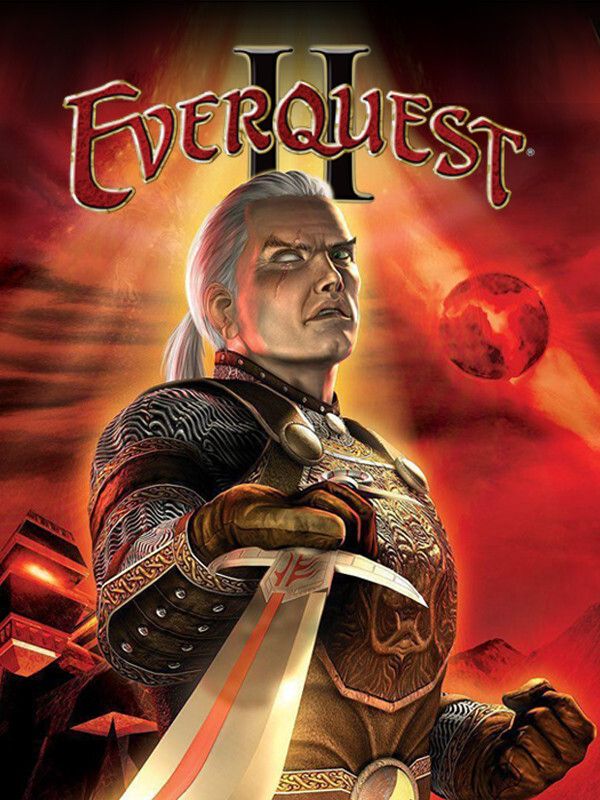
EverQuest’s thirty second expansion, Shattering of Ro, has finally put its cards on the table. With Tier 3 raids now unlocked, raiding guilds have the complete endgame path laid out from first key to final chest. For a game that has been defining MMO raiding since the Kunark era, this last unlock is more than a content drop. It is a statement that EverQuest still understands what long term progression feels like when you live it week after week.
Tier 3 is built around three encounters that lean into classic EQ values. The Vortex: Tallongast, The Egg, and the Labyrinth of Spite’s pair of encounters, Spitetangle and Echo of Hate, are framed directly around adversity, fortitude, and stamina. That language from Darkpaw is not flavor text for the patch notes. It is a quiet warning to every raid leader who has been smoothing their way through Tier 1 and 2.
From a progression standpoint, this tier is the last gear and achievement rung before Shattering of Ro is considered “cleared” in the historic sense. Prior expansions trained modern guilds to expect three layers of raid power: the starter set that largely overlaps previous raid gear, a middle tier that begins to replace it, and a final tier that hard-resets the standard for best in slot. Tier 3 follows that pattern and locks in the expansion’s intended power ceiling at level 130.
The Egg sits in The Vortex and is effectively the raid’s pressure test on coordination. Long time EQ raiders will recognize the philosophy described in the fan documentation for Shattering of Ro. Events are tuned to punish the safe, low effort strategies players fall back on. Enrage timers and escalating mechanics are there to stop the old EverQuest habit of parking the raid and waiting for dots to eventually win the day. For endgame guilds, that means The Egg is less about brute force and more about proving your roster can execute under a real clock.
Spitetangle, in the Labyrinth of Spite, leans harder into positioning and attrition. The spider like visuals seen in Tier 3 videos match the design throughline that modern EQ raids have been following for years. Threats come from every angle and the fight only settles down after your raid has proved it can maintain discipline in a zone that wants to pull you apart. This is the encounter that exposes rosters held together by a handful of carries. Mistimed movement, poor communication, or complacent heal teams are punished fast.
Echo of Hate rounds out the tier as a thematic and mechanical climax. It is the encounter that asks whether your guild can sustain performance, not just spike it. By this point in the expansion your tanks are in mostly upgraded gear, your DPS cores have their AA lines in place, and your healers have settled into a rhythm. Echo of Hate judges that rhythm. If your raid nights until now have been loose, social first affairs that still somehow cleared earlier wings, this is where you feel the gap between a raid that raids and a raid that progression raids.
What all three bosses share is how they sit in the larger arc of Shattering of Ro’s raid design. Tier 1 introduced the expansion’s themes and let returning players catch their breath in a new level band. Tier 2 took that baseline and began to separate solid guilds from those still leaning on old habits and old gear. Tier 3 is the verdict. Once you have Tallongast, Spitetangle, and Echo of Hate on farm you are effectively done with the expansion’s PvE checklist at the high end. EverQuest’s progression culture has always treated that moment as more than just a title on your achievement panel. It is when recruitment posts change from “pushing progression” to “farming current content” and when guild calendars quietly pivot toward alts, backflags, and preparation for whatever comes next.
For veteran MMO players, particularly those raised on modern theme park structures, the importance of this cadence is easy to underestimate. Shattering of Ro launched with nine raids spread across multiple zones and then staggered their availability over months. Tier 3 arriving alongside the game’s anniversary content means that late expansion raiding overlaps with seasonal events, bonus weeks, and returning players. That overlap is not accidental. It keeps raids alive as social anchors while the wider community rotates in and out of Norrath.
The official unlock announcement leans into the old EverQuest language of hardy adventurers and calls to courage, and it lands precisely because the community has been here before. Players remember the era when a new raid wing meant logging into Ventrilo or TeamSpeak at odd hours and racing server peers to first kills. In 2026 the race is smaller and most guilds are progression minded rather than competitive, but the structure is similar. Tier 3 unlocks, rosters shuffle, forum signatures update, and the quiet comparison between servers and guilds begins again.
From a design angle, Shattering of Ro also illustrates how the team has adapted raid philosophy to an aging game without draining its identity. The fan wiki lays out how the developers deliberately tuned away from trivial set and forget strategies, using mechanics like soft enrages to ensure events are actually played rather than solved once and coasted through forever. Tier 3 is where that philosophy is sharpest. You can carry undergeared mains through Tier 1 and 2 with enough veterans. You do not casually carry them through The Egg or a messy Echo of Hate pull.
That tuning has community side effects that matter more to EverQuest than a new feature bullet on a store page. It keeps raid nights important. It gives long term players reasons to keep optimizing, swapping augments, and thinking about group composition. It also keeps social structures alive. Dedicated healers and tanks remain prized citizens in guild discords because the content actually needs them, not because the game’s UI slaps holy trinity labels on roles.
It is also significant that Shattering of Ro’s full raid suite arrived as EverQuest celebrated its twenty seventh anniversary and its thirty second expansion. Most MMOs never reach that kind of content cadence, let alone in a form that still expects multi night coordination from its most dedicated players. Opening Tier 3 is a reminder that EverQuest’s definition of support is not just balance patches and cash shop updates. It is new scripts to learn, new loot tables to argue over, and new nights where eighty names light up the guild window at once.
For guilds, the immediate meaning of the final tier is simple. There is now a complete, linear staircase from entry level raider in mixed previous expansion gear to fully kitted Shattering of Ro veteran. Recruitment officers can point to a clear path for new or returning players. Raid leaders can schedule a proper progression ladder that starts in the Candlemaker’s Workshop and ends in the Labyrinth of Spite without filling in blanks or speculating about future unlocks. The expansion has moved from evolving to complete.
For the broader MMO space, EverQuest’s latest tier is a quieter kind of headline. While newer games chase seasonal models and short term spikes, Norrath continues to operate on a rhythm its community understands. Expansion launches, mid cycle raid unlocks, anniversary events, and the slow, satisfying march toward clearing the board. Shattering of Ro’s Tier 3 bosses are simply the newest expression of that rhythm.
And that is why this final tier matters. It is not only more bosses to farm. It is a closing bracket on a specific slice of EverQuest’s history. When the next expansion arrives and level 130 gear starts to look quaint, veterans will remember where they were when Tallongast finally fell, how long their raid spent learning Spitetangle’s web of mechanics, and which attempt finally pushed Echo of Hate past its last percent. In a game measured in decades, those memories, anchored to tiers like this one, are the real progression that keeps Norrath alive.