
Torbie’s whimsical farming and social sim is pairing lush worldbuilding with surprisingly deep social systems and a new publishing deal to stand out in the crowded life‑sim space.
Nintendo’s recent Direct quietly hid one of the most interesting cozy game reveals in months. Everbloom, the debut title from Torbie, resurfaced with a new trailer and a Spring 2027 release window for Nintendo Switch 2 and PC via Steam and the Epic Games Store. Between the lush key art, the trailer’s gentle pacing, and a new publishing partnership with Fictions, it is clear Torbie is aiming higher than “another Stardew‑like.”
A world built for comfort, not crunch
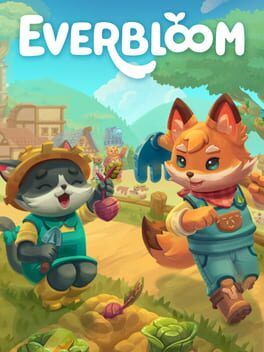
Everbloom is set in a whimsical, painterly valley that leans hard into comfort. Instead of the rustic grit of something like Stardew Valley, Torbie’s art direction goes for rounded shapes, saturated pastels, and soft lighting that makes the whole world look like it was brushed in watercolors and then outlined in cozy storybook ink.
Fields curve around knotted trees and stone paths, and the farm itself feels more like a garden that happens to grow crops. Buildings look hand‑crafted, with bright roofs and chunky silhouettes that instantly read from a distance. You can see Astroneer’s DNA here: the team understands how important bold shapes and clean silhouettes are when you are zoomed out managing space.
Dynamic weather and time of day are already a big part of the pitch. Trailers and press materials show early mornings with long shadows, midday warmth lighting up flowerbeds, and rainy evenings where lanterns glow against damp cobblestones. Torbie has talked up the way weather and light are meant to shift the mood of your play sessions, not just tweak crop timers.
Exploration pushes beyond a standard town‑plus‑fields layout. The valley branches into little biomes that feel like distinct neighborhoods: quiet forest clearings, cliffside overlooks, and tucked‑away plazas where you stumble on community spaces and small narrative moments. It is a world built less around resource loops and more around gently nudging you toward other people.
Social sim first, farming second
Everbloom technically slots into the “cozy farming sim” category, but Torbie keeps stressing that this is a social simulation game first. Farming and crafting are your backbone routines, yet the real focus is on how your character fits into a living community.
NPCs are not just dialogue vending machines between harvests. Torbie has talked about layered relationship systems where villagers have their own friendships, histories, and conflicts that play out even when you are not in the room. You are inserting yourself into an existing web instead of magically becoming the center of the universe on day one.
From the recent coverage and the Steam page, there is a big emphasis on expressive interactions. You can give gifts and run errands, but also attend community events, collaborate on little projects, and influence how spaces are used. Festivals look closer to co‑op play sessions than canned cutscenes: people milling about, minigames running in parallel, and chances to branch off with specific characters for more intimate moments.
Online and local co‑op are a big part of this social pitch. Everbloom supports playing solo or with friends, and the trailers show multiple player characters tending shared plots, decorating a home together, and simply wandering the village at their own pace. It is closer to a cozy, small‑scale MMO hub or a shared tabletop campaign than a lone farmer fantasy.
Expression through customization
In a crowded life‑sim field, player expression has become a major differentiator, and Everbloom is clearly chasing depth here. Character customization already looks more robust than many peers, with a wide range of body types, skin tones, and hairstyles supported right from the start.
Your farm is less about min‑maxing yields and more about creative layout. Crops come in unusual shapes and colors, and the plots themselves allow for flexible placement. You are encouraged to sculpt spaces instead of laying out pure efficiency grids. Fences, paths, and decor items snap together in a way that invites experimentation, like playing with a box of colorful blocks.
The same philosophy applies to interiors. Housing screenshots show multi‑room layouts filled with layered decor, plants, and lighting options. It brings some of the decorator itch of The Sims into a chill, small‑town context. Torbie wants players to use Everbloom as a canvas for their aesthetic, whether that is cottagecore clutter or a clean, modern greenhouse vibe.
Fictions steps in as publishing partner
The MonsterVine reveal confirmed that Torbie has signed a publishing partnership with Fictions, a relatively young label with an eye for warm, personality‑driven projects. According to Fictions producer Kelsey Hansen, what drew them to Everbloom was its sense of warmth, personality, and creative potential.
For Torbie, a fully remote team founded by former Astroneer developers during the pandemic, that backing matters. It gives the studio breathing room to keep iterating on social systems and polish instead of rushing a 1.0 launch to recoup costs. Fictions is also handling a chunk of the marketing and platform coordination, which is already paying off with Everbloom’s placement in a high‑profile Nintendo Direct and a concerted push on wishlists.
The partnership also signals where Fictions wants to sit in the wider industry. Cozy is no longer niche, and discoverability is rough. Having a publisher that understands how to nurture a community around a slow‑burn sim could be key to Everbloom’s long‑term health.
Switch 2 and PC plans
On the platform side, Torbie is keeping things focused and sensible. Everbloom is set for Nintendo Switch 2 and PC, with PC versions confirmed for both Steam and the Epic Games Store. The team is currently targeting Spring 2027, giving them a long runway to keep building systems and running playtests.
The Switch 2 version is particularly intriguing. With more horsepower to play with than the original Switch, Torbie can lean into denser town life, more dynamic lighting, and seamless co‑op without the performance compromises that sometimes hamper handheld cozy sims. PC players, meanwhile, can expect all the usual benefits: higher resolutions, faster loading, and probably a modding scene if the game’s systems are as flexible as they appear.
Wishlist support is already live on Steam, and Torbie has said they plan to organize broader playtests as development progresses. That fits with their background on live and systemic games, where frequent feedback loops can make or break tuning.
Standing out in a crowded genre
In 2026, calling your game a “cozy farming sim” is not enough. Everbloom seems well aware of this and is carving out its own space through three clear pillars: social depth, shared play, and intentional worldbuilding.
Where many life sims hinge on grindy progression and romance checklists, Everbloom is trying to simulate a community that feels like it existed before you arrived and will continue after you log off. Systems like interconnected NPC relationships, collaborative town projects, and events that react to the season and weather give its valley a more organic rhythm.
The shared‑play focus is another big differentiator. Games like Animal Crossing and Stardew Valley bolted on multiplayer; Everbloom is designing its loops so that pottering around with friends is the default way to play, not an extra mode. Whether that pays off will depend on matchmaking, stability, and how well the game balances solo and co‑op, but the intent is ambitious.
Finally, Torbie’s art and world design simply look confident. There is a consistency to the visual language and tone that suggests the team knows exactly what emotional space they want players to inhabit. Everything, from key art to UI snippets, tells you the same thing: this is a place to slow down, breathe, and build something gentle with other people.
If Torbie can stick the landing on its social systems and keep cozy routines as satisfying as its trailers suggest, Everbloom has a good shot at growing into one of the genre’s new pillars rather than just another seasonal obsession.