
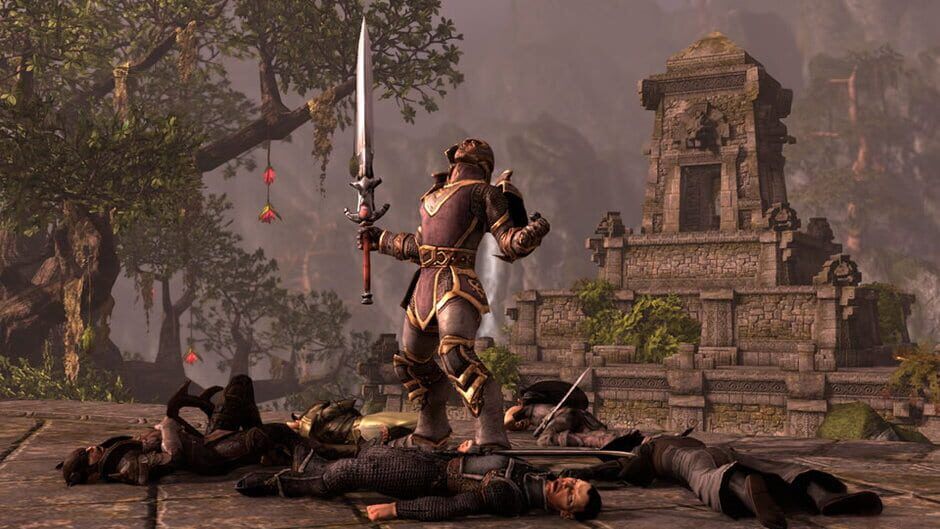

How ESO’s move away from big yearly Chapters toward faster seasonal updates will change new zones, PvP events like Absolute / Whitestrake’s Mayhem, and what long‑term players can expect from stories and system overhauls after 2026.
Elder Scrolls Online is heading into its second decade, and 2026 looks like the year the game finally stops chasing the “one big Chapter every summer” model. ZeniMax Online Studios is pivoting to a seasonal cadence built around smaller, more frequent updates, a rethinking of how zones are built, and a renewed push for large scale PvP through Absolute Mayhem, the modern evolution of Whitestrake’s Mayhem.
For veterans who measure time in Summerset and Morrowind, that sounds like a fundamental rewrite of what ESO is. The reality is more nuanced: Chapters are fading as the main driver of hype, but Tamriel is not shrinking, and the studio is betting that a steadier stream of content and experiments will keep the game healthier beyond 2026.
From Chapters to Seasons: How ESO’s Cadence Is Changing
Since 2017, ESO’s year has revolved around a familiar rhythm. A spring dungeon pack, a big summer Chapter with a marquee zone and systems, then a story epilogue in the fall. It was reliable, but it also locked the team into a huge annual spike in scope and marketing.
The new seasonal model reshapes that cycle. Instead of pouring most of the year’s ambition into one Chapter, ZeniMax is distributing content across four seasonal drops per year. Each Season is smaller than a Chapter, but the studio plans to hit players with new quests, mechanics and rewards roughly every three months.
The most important point for 2026 is that Seasons are not just maintenance patches dressed up as events. The team has repeatedly stressed that new content will arrive with each Season, and that the shift is about how they package that content, not about quietly downsizing ESO.
For players, that means less waiting around for the one big drop and more reasons to log in for a couple of weeks every quarter. It also means stories can be structured more like a TV season, with arcs that can start, pivot and conclude across several smaller releases instead of one oversized Chapter and a fall DLC.
A Different Flavor of Zone Design
The sharpest anxiety around the pivot has been simple: no yearly Chapter, no big new zone. ZeniMax has addressed that directly. New zones are still in the plan beyond 2026, but they will not necessarily look or feel like the old Chapter template.
Historically, ESO’s flagship zones followed a pattern. You got a large landmass, a self contained regional story, side quest hubs, a trial or two, a public dungeon, and collectibles. It worked, but over a decade the formula became predictable for long term players.
The studio now says it is looking at zones at a “fundamental level,” and that future areas will be a “different flavour.” In practical terms, this opens the door to:
More vertically layered or interlinked spaces instead of a single contiguous province, zones that plug directly into existing regions through cross zone questlines, and experimental rule sets in certain areas that lean into specific playstyles such as PvP focused wilderness pockets or co op challenge corridors that straddle the line between dungeon and open world.
Crucially, the recent move to fold several older DLC regions into the base game is part of this strategy. Orsinium, Thieves Guild’s Hew’s Bane, Dark Brotherhood’s Gold Coast, and the PvP heavy Imperial City have already joined the base package, with Western Skyrim flagged to follow. Once those are universally owned, future seasonal stories can drag you across all of them without worrying who owns what.
By 2026, that means a new Season could easily send you on a story that starts in Orsinium, spills into the Imperial City, then finishes in a new experimental zone, all in one coherent arc. Instead of every big year needing an entirely new map to feel fresh, the team can remix the huge world ESO already has.
Absolute Mayhem and the PvP Revival
Alongside the structural shift to Seasons, ESO is pushing hard on player versus player. The latest iteration of the classic Whitestrake’s Mayhem event has been branded Absolute Mayhem, and it signals how ZeniMax wants to use Seasons to breathe life back into Cyrodiil, Imperial City and Battlegrounds.
Whitestrake’s Mayhem has always been about doubling Alliance Points, pulling lapsed PvPers back to Cyrodiil, and turning otherwise quiet campaigns into chaotic sieges. Absolute Mayhem goes a step further by:
Turning the event into a tentpole with a more aggressive reward track that layers new cosmetics, titles and furnishings on top of AP gains, pushing players into underused modes like Imperial City by tying event specific rewards to that zone’s bosses and tel var grind, and using the modern seasonal framework to better advertise and support the event with in game guidance, repeatable quests and clear milestones.
For 2026 and beyond, that matters because it shows how PvP fits into the new cadence. Instead of PvP only feeling relevant when balance patches land or a rare Battlegrounds mode returns, Seasons can anchor one of their beats around Absolute Mayhem and integrate it into the broader narrative.
A quarterly Season could, for example, kick off with story quests that foreshadow new three way conflict, roll into Absolute Mayhem as an in universe escalation, then drop a small experimental zone or instanced warfront that sticks around after the event ends. The more the event is framed as Absolute Mayhem rather than a recycled festival, the more room there is to actually extend PvP progression, map tweaks and siege mechanics in tandem with the seasonal story.
What Long Term Players Should Expect After 2026
For anyone who has been subbed since the early days, the big question is what this really means beyond marketing language. If you are invested in ESO as a long tail MMO, there are three main areas to watch: story scope, system overhauls and day to day pacing.
On story scope, the pivot to Seasons does not automatically mean smaller ideas. If anything, it lets the narrative team take more serial risks. Instead of building one self contained yearly narrative like Gates of Oblivion, they can pace arcs across multiple Seasons, write more mid year twists that recontextualize earlier quests, and take advantage of the newly free base game zones to send you through older regions without a hard paywall.
Stories may feel less like isolated “chapters” stamped with their own logo and more like continuing seasons of one long show. That can be a win for players who like persistent NPCs and slow burn plots, though it also means there will be fewer clear restart points like “buy this year’s Chapter and you are fully caught up.”
On system overhauls, the move away from a yearly Chapter removes the pressure to bundle every big change into one expansion box. Features like the Tamriel Tomes style progression track, new reward structures or combat rebalances can ship as part of any Season. That should allow for more incremental, testable changes instead of once a year reworks that leave the meta in shock for months.
Veterans should expect more frequent tuning passes on sets and class skills that line up with Seasons, experimental limited scope systems in specific zones or events that can be dialed up or retired depending on reception, and a clearer separation between story Seasons and mechanical Seasons so not every narrative beat has to drag in a huge feature.
In day to day terms, the post 2026 ESO will likely resemble other live service games that thrive on a rhythm of frequent, focused updates rather than annual expansion spikes. You will log in more often for shorter stretches, chase seasonal achievements, and dip out until the next drop rather than living inside one Chapter for an entire year.
Is Losing Big Chapters a Real Loss?
The tradeoff, of course, is that some parts of the old model will be missed. Big Chapters created cultural moments where the entire community converged on a single province. Everyone explored Summerset at the same time, or stepped into Vvardenfell together. Seasonal updates tend to spread players across more types of content and spaces.
On the other hand, the integrated base game means more of your friends can actually join you in older locales without a shopping list of DLC, and the promise of regular experimental zones suggests you will still get those “new place smell” experiences, just in different formats and sizes.
For long time players, the healthiest mindset going into 2026 is to treat Seasons as a new backbone for ESO rather than a replacement for everything you liked about Chapters. Watch how the first year of the new cadence handles story arcs, how often substantial mechanics arrive, and especially how Absolute Mayhem and other events evolve from once a year novelties into recurring, supported pillars.
If ZeniMax delivers on its pitch, Elder Scrolls Online in 2026 will be less about waiting for the next big box and more about a constant, shifting journey across a Tamriel that is finally allowed to use its full map without worrying who owns what piece.