
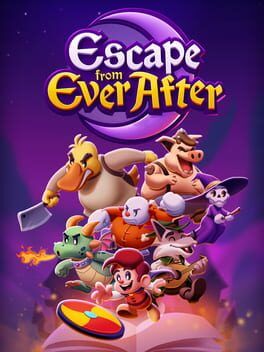

Sleepy Castle Studio’s storybook RPG Escape from Ever After is coming to Nintendo Switch in January 2026, bringing a sharp Paper Mario energy, snappy turn-based combat, and a fairytale world under siege by a greedy megacorp.
Paper Mario fans have a new date to circle on their calendars. Escape from Ever After, a vibrant storybook RPG from Sleepy Castle Studio and HypeTrain Digital, is officially headed to Nintendo Switch on January 23, 2026 as a digital eShop release. It wears its inspiration proudly, but it is not just a tribute act. This is a meta fairy tale about fighting a megacorporation from inside its own cubicle maze, wrapped in a combat system and presentation that feel tailor made for players hungry for another Mario-style adventure-RPG.
A fairy tale hijacked by a corporation
Escape from Ever After’s premise leans straight into storybook chaos. A greedy real-world conglomerate called Ever After Inc has figured out how to physically enter books and exploit fairytale worlds for profit. When the company seizes control of the realm where hero-for-hire Flynt Buckler lives, he does the only thing he can do in a world ruled by HR and middle management. He gets a job.
This setup immediately gives the game a personality of its own. Instead of simply saving a princess or collecting magical artifacts, you are infiltrating a corporation that treats Snow White and eldritch horrors like equally exploitable resources. The tone is playful and satirical, closer to a stage play than a straight parody of fairy tales. Characters banter about office culture, promotions, and workplace drudgery while plotting to bring the whole operation down.
The hook is that every department of Ever After Inc connects to a different storybook universe. One assignment might send you tumbling into a classic swords-and-sorcery style fantasy, while the next drops you into a cosmic horror riff or a retro sci-fi serial. Each book plays with its own rules and references but still folds back into the overarching story of sabotaging the company from within.
Storybook visuals with a theatrical flair
If you grew up on Paper Mario 64 or The Thousand-Year Door, the visual language of Escape from Ever After will feel warmly familiar. Characters are flat, expressive cutouts that look like they were snipped from an illustrated children’s book, moving through layered environments that resemble stage sets. The result is a hybrid of storybook pages and cardboard theater, full of big poses and exaggerated animations.
This is not a one-to-one copy of Mario’s papercraft look. Ever After leans into thicker linework and bolder colors, closer to a Saturday morning cartoon. Office floors are crowded with desks and filing cabinets perched beside magic portals. Story realms twist fairy tale imagery with corporate intrusions, like brand signage planted in a haunted forest or sleek sci-fi UI clashing against old parchment backdrops. It keeps the world visually busy in a way that suits its anti-megacorp theme.
A jazzy, big-band soundtrack ties it all together. Brass hits punch up menu transitions, battle intros, and key story beats. It evokes the same kind of theatrical feeling as a stage musical, where each new book world can lean into its own musical color while still feeling part of an energetic whole.
Snappy turn-based combat for tinkerers
At its heart, Escape from Ever After is a turn-based RPG. The goal, just like in classic Paper Mario, is to keep combat quick and expressive instead of slow and number-heavy. Battles emphasize timing, smart ability use, and experimenting with different character builds.
Your party is made up of oddball heroes pulled from different stories, each with distinct skill trees and combat roles. Some excel at setting up status effects or debuffs that turn later attacks into huge payoffs. Others specialize in support abilities or multi-target attacks that help you control crowded enemy formations. By equipping and upgrading skills, you can nudge each character toward specific strategies, whether that means building a heavy hitter, a disruption specialist, or a support-focused partner.
The developers describe the combat as “snappy and stylish,” and that shows in the way actions are framed. Attacks are punctuated with sharp visual cues and satisfying impact frames that give each hit a tactile feel. Although full details on timing-based inputs have not been broken down yet, the overall rhythm points toward battles that reward engagement and do not waste your time.
Office life meets classic RPG exploration
Outside combat, Escape from Ever After borrows from the light adventure structure that made older Mario RPGs so approachable. Instead of wide, grinding-heavy overworlds, you move through focused areas full of things to poke at. There are sidequests to pick up, NPCs to chat with, and secrets tucked behind small environmental puzzles.
The difference is that a lot of that connective tissue flows through the Ever After Inc office. Between excursions into storybooks, you wander through the corporate hub, trade quips with coworkers, and tackle little problems that might not be epic quests but help flesh out the world. One moment you are hunting down important documents for a frazzled colleague, and the next you are decorating your own office space with trophies from your journeys.
Climbing the corporate ladder acts as a story spine. Promotions unlock new departments and, by extension, new book worlds. It also gives the writers a structure for escalating the absurdity of Ever After Inc itself, as you move from ground-level drudgery to departments that literally rewrite stories or monetize nightmares. It is an unusual lens for an RPG, and that novelty may end up being one of the game’s biggest strengths.
Why January 2026 matters for Paper Mario fans
By the time Escape from Ever After hits Switch in January 2026, Paper Mario: The Thousand-Year Door’s remake will be long settled and players hungry for something in that lineage may be looking for their next hit. Nintendo’s own series has leaned harder into experimental gimmicks and lighter RPG elements over the years, which leaves space for indies to chase that older blend of character-driven storytelling, focused exploration, and simple but expressive turn-based combat.
Ever After is aiming squarely at that gap. Its battles look breezy and approachable, its cast is full of big personalities, and its world hops between themed chapters that each promise their own tone and mechanics. For fans who love the feel of older Mario RPGs like the first two Paper Mario entries or even the Mario & Luigi games, the structure here will seem familiar yet fresh.
Timing also helps. January is often quieter on the release calendar, which gives a digital-first RPG more room to breathe on the eShop. If Sleepy Castle Studio can deliver on the promise of its stylish combat and multi-genre storybooks, Escape from Ever After could become one of those word-of-mouth Switch hits that fans pass around as “the closest thing to classic Paper Mario we have right now.”
For now, the pitch is clear. Take one part storybook slapstick, one part corporate satire, toss in a jazzy soundtrack, and wrap it all in a tight, expressive RPG framework. With its January 23, 2026 Switch debut lined up, Escape from Ever After is well positioned to give Mario-style adventure-RPG fans something new to look forward to between big first-party releases.