
Bethesda has finally confirmed The Elder Scrolls 6 Sentinel as the official title, but the name reveal raises as many questions as it answers about Hammerfell, platforms, and timing.
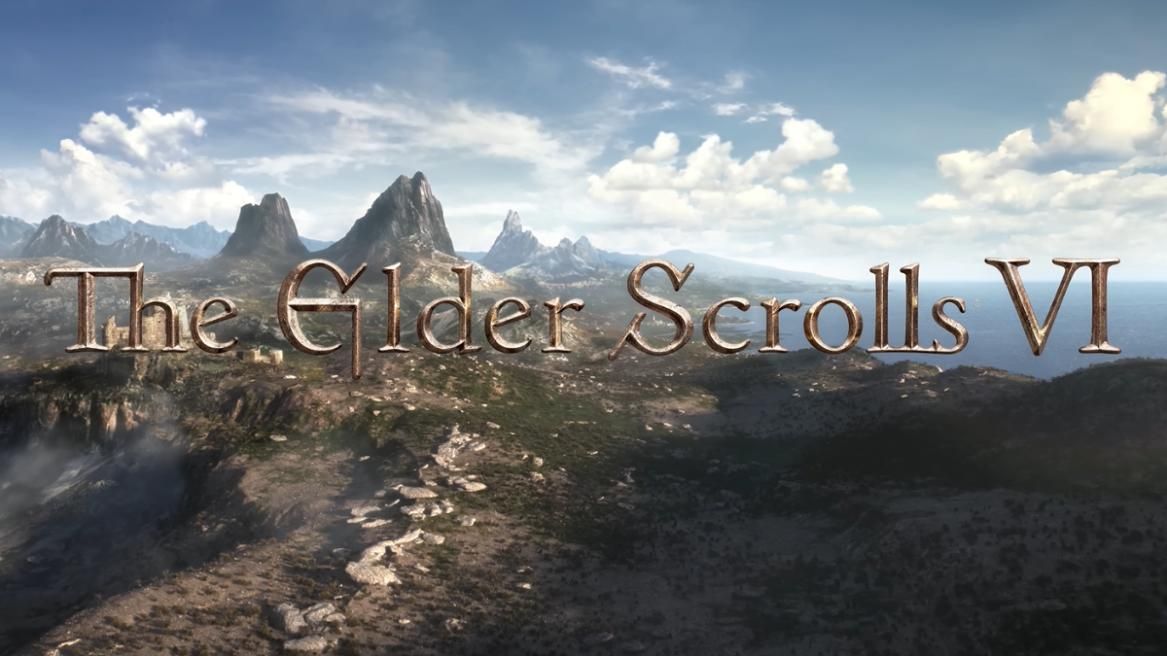
Image: beebom.com
Bethesda finally names The Elder Scrolls 6, but keeps the RPG itself hidden
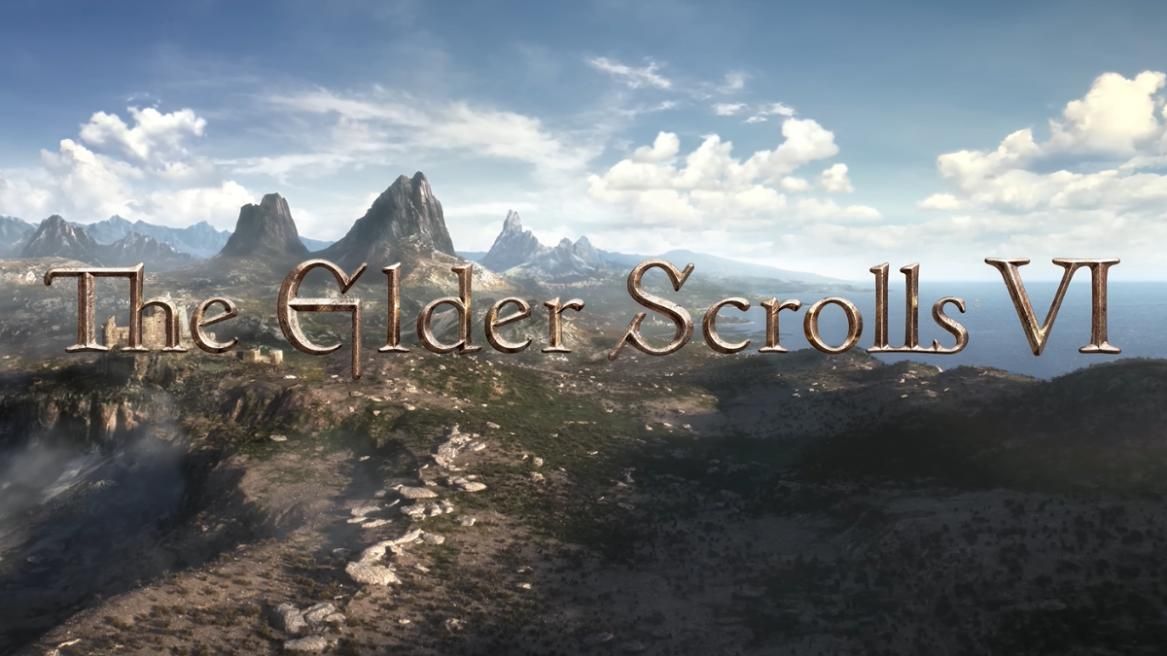
Bethesda has officially named its long-awaited Skyrim follow-up The Elder Scrolls VI: Sentinel, ending one of the longest-running guessing games in RPG fandom while leaving the larger one intact. The confirmation came through Todd Howard in Bethesda’s 40th anniversary video, according to Nintendo Life, Polygon, IGN, Eurogamer, GameSpot, and The Verge, which all report the same core detail: the next mainline Elder Scrolls now has a subtitle, a logo, and a short teaser image built around sand and a buried scroll.
That is the hard news. Bethesda has not announced a release date, confirmed platforms, shown gameplay, detailed combat, outlined progression systems, or explained the shape of the open world. Nintendo Life notes the reveal includes a brief glimpse of a metallic scroll being unearthed from sand, the title logo, and a quotation attributed to “Yazar, Moth Priest of High Queen Iradne of Hammerfell.” Polygon adds that the quote is dated 4E 206, placing it five years after the events of The Elder Scrolls V: Skyrim.
For a series where place names usually carry enormous design weight, that small amount of text is enough to redirect years of speculation. The Elder Scrolls 6 official title is no longer an abstract Roman numeral. It is Sentinel, a name already embedded in Tamriel’s geography, politics, and Redguard history. What Bethesda has confirmed is narrow. What the name strongly implies is much larger.
Sentinel is not a neutral subtitle in Elder Scrolls lore
The reason Elder Scrolls fans immediately turned toward Hammerfell is simple: Sentinel is a city in that province. IGN identifies Sentinel as a city within Hammerfell on Tamriel, located on the northwest coast beside Iliac Bay. IGN also places Hammerfell west of Cyrodiil, where Oblivion was set, and southwest of Skyrim, with High Rock to the north and the Abacean Sea along its western edge.
Bethesda has not, in the source material provided, issued a plain statement saying “The Elder Scrolls VI: Sentinel is set entirely in Hammerfell.” That distinction matters. The official reveal confirms the subtitle Sentinel and includes an in-universe attribution to a figure connected to Hammerfell. The title itself points to a Hammerfell city. The teaser imagery leans on sand. Together, those are strong signals, but the confirmed facts stop short of a full setting breakdown.
The Verge goes further than some outlets, reporting that Sentinel will be set in Hammerfell and will be the first game about the history of the Elder Scrolls, helping uncover secrets of the ancient artifacts. Eurogamer says a prior report predicted the Sentinel name and suggested Hammerfell, Elder Scrolls history, and artifact mysteries, then writes that the trailer “seems to confirm all that.” Polygon frames Hammerfell as part of the rumored subject matter while emphasizing that Bethesda and Xbox have stayed tight-lipped.
So the cleanest read is this: Bethesda has officially confirmed the title and has placed Hammerfell language directly in the reveal. Reports have connected the game more broadly to Hammerfell and to the history of the Elder Scrolls themselves. The title Sentinel gives those reports new weight, but Bethesda has still not published the kind of full reveal that would define map scope, factions, provinces, or campaign premise.
The quote is small, but it is doing a lot of work
The revealed in-universe line reads: “The scroll offered only a shimmer, a veil thinly lifted to my eyes. A future lost. A victory undone. Sands of time scattered by fate.” Multiple outlets, including Nintendo Life, Eurogamer, and Polygon, attribute it to Yazar, Moth Priest of High Queen Iradne of Hammerfell. Polygon reports the date attached to the quote as 4E 206, which would put Sentinel five years after Skyrim.
That dating is one of the most useful concrete details in the reveal. It suggests Bethesda is not jumping so far forward that Skyrim becomes ancient history inside the timeline, at least based on the quoted text. Five years is close enough for unresolved political consequences from the Fourth Era to remain relevant, but the reveal does not say which Skyrim outcomes, if any, Sentinel will recognize. Bethesda has not confirmed whether the civil war, the Empire, the Thalmor, dragons, or player choices from Skyrim will factor into the new story.
The Moth Priest attribution is also pointed. In Elder Scrolls lore, Moth Priests are associated with reading the Elder Scrolls, artifacts that show possible futures and histories at great cost. The quote’s wording, with its “future lost” and “victory undone,” fits that tradition of prophecy, fracture, and uncertain causality. As an RPG signal, it hints at a story concerned with knowledge, fate, and competing interpretations rather than a simple territorial adventure.
Still, this remains interpretation anchored to a short text. Bethesda has not described the quest structure, main antagonist, faction systems, or how much player agency Sentinel will give around prophecy and history. As a systems-minded Elder Scrolls player, I would treat the quote as thematic evidence, not a feature list.
The title reveal lands after an unusually long silence
The time gap is part of the story because it shapes player expectations. Eurogamer calculates that the Sentinel reveal arrived eight years, four months, and 23 days after Bethesda first showed The Elder Scrolls 6 title card in 2018, or 3,067 days. Eurogamer also notes the reveal came close to the 15th anniversary of Skyrim’s original launch. Polygon similarly points out that Skyrim is now 15 years old, while IGN calls the title and logo the first real bits of news in quite some time.
That long wait explains why a subtitle can feel larger than a normal marketing beat. Bethesda announced The Elder Scrolls 6 far earlier than its modern preference would typically suggest. Eurogamer cites former Skyrim lead designer Bruce Nesmith saying in 2023 that Todd Howard felt pressure to reveal the game because “the pitchforks and torches were out,” while also arguing that the best time to start talking about a game is around six months before release. Eurogamer notes that Bethesda used that shorter reveal-to-release strategy for Fallout 4.
Sentinel’s naming does not necessarily mean that kind of six-month campaign has begun. In fact, the absence of gameplay, platforms, and a launch window argues against assuming release is near. IGN writes that players likely still have at least a couple more years to wait, based on its reporting. That is not an official date, but it is a useful caution against treating the logo as the start of a final sprint.
The practical reading is patience. Bethesda has moved The Elder Scrolls 6 from unnamed project to officially titled RPG, which is a real milestone. It has not moved the game into the consumer stage where players can judge builds, combat flow, quest density, mod support, performance, or edition pricing.
Platforms remain one of Sentinel’s biggest unanswered questions
Bethesda and Xbox have not confirmed platforms in the provided official reveal coverage. Nintendo Life specifically says there is still no confirmed platform information, while noting hope for a Switch 2 version because of Bethesda’s support for the system so far. IGN frames the uncertainty through Microsoft’s platform strategy, writing that Xbox and PC are expected in context but asking whether The Elder Scrolls VI: Sentinel will appear on PlayStation remains unresolved.
That platform gap matters more than it would have before Microsoft acquired Bethesda’s parent company. IGN points to Microsoft’s renewed focus on console exclusives and says Sentinel could be one of the biggest cards Microsoft has to encourage players into its ecosystem. That is analysis from IGN, not an announcement from Microsoft. No source in the provided material confirms PlayStation availability, Switch 2 availability, PC requirements, Xbox Series or next-generation Xbox targeting, Game Pass timing, upgrade paths, or cloud support.
For players trying to plan hardware around The Elder Scrolls 6 Sentinel, the safest guidance is to wait. A title reveal is not a platform commitment. Bethesda’s open-world RPGs also tend to live for years through patches, expansions, community discoveries, and mods, so the platform question is tied to much more than day-one access. It affects save longevity, mod ecosystems, performance expectations, and whether the game becomes a console-buying decision.
Until Bethesda or Xbox publishes a platform list, any certainty beyond the existence of The Elder Scrolls VI: Sentinel itself is premature.
For RPG players, the real questions are still mechanical
A Hammerfell direction would be exciting because of what it could do for builds, factions, traversal, and quest identity, but Bethesda has not yet shown those systems. The sand imagery and Sentinel title may suggest desert terrain, coastal politics, Redguard culture, Iliac Bay connections, or a wider Hammerfell map. Those are reasonable areas for fans to discuss because the name points there. They are not confirmed mechanics.
The core buyer questions remain open. Will Sentinel keep Skyrim’s flexible classless progression, change how guild questlines interact, deepen reputation systems, or respond more aggressively to player choices? Will the world be designed around dense regional quest hubs, procedural support, handcrafted discovery, or some mix of the approaches Bethesda has used across its RPGs? Will melee combat, magic schools, stealth, crafting, and companions receive structural revisions after the long gap since Skyrim? The reveal answers none of that.
That absence should temper the speculation without killing it. The official title gives lore readers a firm starting point, and Hammerfell is now the obvious lens for examining every future clue. But the quality of an Elder Scrolls game is ultimately decided in the space between geography and systems: how a province supports character identity, how factions compete for your time, how quests remember your decisions, and whether exploration produces stories worth retelling.
For now, Bethesda Sentinel is official as a name, logo, and carefully chosen lore hint. The Hammerfell case is stronger than it has ever been, especially with Sentinel’s location and the quoted connection to High Queen Iradne of Hammerfell. The next meaningful step will be the one Bethesda has not taken yet: showing how this world actually plays.