
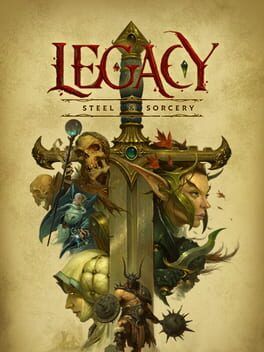

Notorious Studios’ rebranded Legacy: Steel & Sorcery is headed for a January 21 launch as Eldegarde. Here’s how its new mini MMO pitch, seasonal pivots, and concurrency struggles set expectations for release, and what it needs to do differently from other PvPvE extraction RPGs to matter in 2026.
As Legacy: Steel & Sorcery shuffles toward its full 1.0 release, it is doing so under a new banner. Notorious Studios has formally reintroduced the game as Eldegarde, a name meant to foreground the world itself instead of the gear treadmill that defined its extraction roots. The rebrand arrives ahead of a planned January 21, 2026 launch on Steam, and it comes with a bolder self description: Eldegarde is now being pitched as a “mini MMO” rather than just another PvPvE loot run.
That shift in messaging is not happening in a vacuum. Legacy opened Early Access riding the broader extraction wave, spiking into the low thousands of concurrent Steam players before its numbers slid into double digits over the rest of the year. Seasonal drops, new classes, and dungeon content weren’t enough to hold attention in a subgenre already crowded by Dark and Darker, Escape from Tarkov, and a long tail of lookalikes. The new Eldegarde identity is as much about expectation management as it is about systems design.
The most obvious pivot is structural. Notorious is still keeping the original high stakes PvPvE extraction loop, where parties dive into instanced arenas, fight monsters and rival players, and gamble their loadouts on getting out alive with better loot. What Eldegarde adds on top is a parallel path that tries to look more like a traditional online RPG. The studio’s latest showcase leaned on the idea of the world as a hub for different activities: more dungeons, more bespoke boss encounters, and what it calls story driven experiences that frame runs in narrative context rather than treating them as disposable farm sessions.
The new PvE extraction mode is the clearest example of that “mini MMO” framing. Instead of queueing straight into a pressure cooker of other players, groups can roam the same monster filled spaces without the threat of getting third partied at the exit. You still gather materials, clear enemies, and hunt for chests, but the risk is more about misplays and overpulls than losing your gear to a headshot from across the map. It is an olive branch to players who like the tempo of extraction but not the social tax of constant PvP.
At the same time the studio is not walking away from its original promise. The legacy PvPvE mode remains one of the main pillars of Eldegarde, with the team talking about new arenas and more intricate layouts that mix line of sight tricks, verticality, and AI threats to create those improvised “one squad versus the server” stories extraction fans chase. The new Paladin class and a fresh boss dungeon that headlined recent updates are clearly tuned for that high intensity space, with defensive cooldowns and group utility designed to swing chaotic fights instead of slow, methodical MMO pulls.
Labeling the game a mini MMO is a calculated move that cuts both ways. On one hand it gives Notorious room to experiment with things like battleground style PvP, repeatable story content, and cooperative dungeons without being accused of diluting the core loop. On the other it risks promising more world persistence and social structure than a small studio can realistically deliver. A successful mini MMO pitch for Eldegarde probably needs to land somewhere between a classic hub and spoke lobby game and a persistent world, with hub towns that feel alive, progression systems that matter between runs, and reasons to log in even when you are not in the mood to risk your best gear.
That sense of purpose is precisely what Legacy struggled to articulate during its Early Access climb. Seasonal updates brought fresh reasons to reinstall, but the experience between beats often felt thin. Concurrency trends tell that story bluntly. The game debuted with curiosity driven peaks near four thousand concurrent Steam users, then bled down to servers that frequently sat in the low hundreds or worse during off hours. In an extraction space where all the tension comes from other humans in your match, that kind of population dip is fatal. Long queues and half full lobbies sap the drama from extractions and make every death feel wasted.
Eldegarde’s developers are treating the rebrand and the January 21 release as a soft reset. The promise is that by widening the playable surface area with PvE runs, dungeons, and story beats, they can smooth over those population cliffs. If a player logs in and cannot immediately find a spicy PvPvE lobby, they can still spend an hour running a boss dungeon, crafting builds, or farming materials in lower stress modes. It is the same logic that keeps aging MMOs afloat with alt friendly grinds and horizontal progression paths. The question is whether that scaffolding arrives dense and polished enough at launch to convince lapsed players to give Eldegarde another shot.
To stand out from other PvPvE extraction RPGs in 2026, Eldegarde needs to do more than just soften the edges of the formula. Tarkov owns punishing gun fetishism, Dark and Darker leans into grimy dungeon crawling and proximity chat chaos, while a wave of smaller contenders chase the same “one more run” loop with different skins. The opportunity for Eldegarde lies in embracing its fantasy MMO DNA. Leaning into distinct classes like its Paladin, building real cooperative roles, and tying loot to multi step PvE adventures could give it an identity closer to a bite sized MMO raid night than a disposable loot grab.
That also means paying special attention to progression. Where many extraction games gatekeep power via luck and time spent, Eldegarde’s mini MMO angle would benefit from clearly telegraphed goals and long term account wide unlocks. Storyline quests that culminate in new abilities, hub upgrades that change how groups prepare for runs, and cosmetic or social rewards that highlight veteran status could all give players something to chase beyond raw gear value. If all the new dungeons and battlegrounds simply funnel back into the same extraction meta, the rebrand risks feeling like a skin swap.
Finally, Eldegarde must fight the perception that it is arriving late to a fad that already crested. In practice that means launching with a calendar, not just a patch. Players will be looking for a road map that explains how often to expect new dungeons, what shape battlegrounds will take, and how frequently the team intends to iterate on classes and builds. Communication around concurrency and matchmaking will be just as important. Transparent cross region queues, visible indicators of lobby health, and flexible party options can turn occasional thin population windows into a manageable inconvenience instead of a death spiral.
Legacy: Steel & Sorcery always had a strong core fantasy pitch and responsive action combat, but struggled to answer the “why now” question every new live service game faces. As Eldegarde, it is trying to anchor that combat in a more intentional world, one that borrows just enough from MMOs to keep people around between high stakes runs. If Notorious can deliver on the mini MMO promise with meaningful PvE structure, distinct class identity, and a sustainable content cadence, Eldegarde might finally step out from the extraction crowd and carve a home for itself in 2026’s stacked online calendar. If it cannot, the new name will be just another tombstone in the genre’s overcrowded graveyard.