
Bandai Namco's Echoes of Aincrad Death Game mode adds a one-life, single save file challenge. Here is how it works, who should try it, and why cautious players may want to wait.
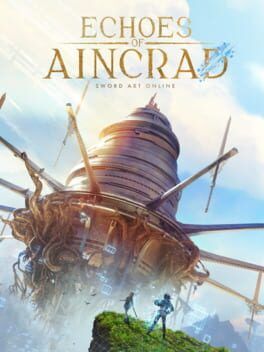
Image: IGDB
Store links: Echoes of Aincrad on Steam
Bandai Namco is turning SAO's premise into a save-file risk
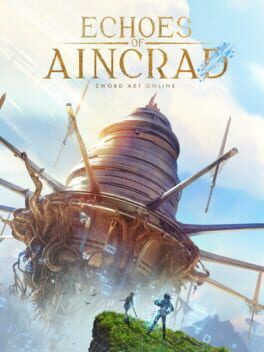
Bandai Namco Entertainment America has put Echoes of Aincrad’s harshest option in front of players days before release: Death Game Mode, a single save file mode built around one life and no respawns. The publisher’s press release, carried through Games Press, describes it as an “all-stakes mode” where players must survive a single playthrough of the Sword Art Online action RPG without dying. IGN’s listing for the official Death Mode trailer uses the same blunt pitch: “One Save File. No Respawn.”
That is the clearest concrete development ahead of the Echoes of Aincrad launch on July 10, 2026 for PlayStation 5, Xbox Series X|S, and PC via Steam. It also creates the central tension around the mode. Echoes of Aincrad is already adapting a fictional VRMMORPG where death inside the game carries real-world consequences. Death Game Mode converts that premise into a ruleset, which means players are being asked to decide whether they want their first trip through Aincrad to be a standard action RPG run or a high-risk commitment where a lost fight can end the run.
The latest Echoes of Aincrad trailer is therefore less about a new story beat and more about setting expectations. According to Bandai Namco’s press copy, Death Game Mode asks players to survive “this all-too-real life and death challenge in a single play through, with no respawns.” RPG Site, citing details revealed with the game’s earlier announcement, reports that the mode works like an ironman ruleset: if the player loses all health, the save file is wiped entirely and the player has to start over.
How Death Game Mode works, based on what has been confirmed
The confirmed rule structure is simple, but its consequences are large. Bandai Namco’s current messaging confirms one save file, one chance to survive, a single playthrough, and no respawns. MonsterVine describes the mode as giving players “one life, one save file, and no respawns,” adding that if the player falls, the run ends. RPG Site goes further by reporting that losing all health wipes the save file entirely.
That last point is important because “no respawns” can mean different things across RPGs. Some games send players back to a checkpoint with penalties. Some lock out a character but leave meta-progression intact. RPG Site’s report frames Echoes of Aincrad Death Game mode as closer to an ironman mode, where the run itself is the thing at risk. Bandai Namco’s latest press copy supports the one-life, single-playthrough structure, while RPG Site supplies the harsher save deletion detail from earlier coverage.
What has not been detailed in the provided materials is just as important for cautious players. Bandai Namco’s press release does not specify whether there are safety prompts before entering Death Game Mode, whether the game allows pausing and quitting mid-run without penalty, how autosaves behave, whether partner deaths matter, or whether non-combat failures can end a run. It also does not clarify if players can maintain separate standard-mode saves alongside a Death Game Mode file. Until Bandai Namco or the final game explains those save-management details, players should treat the mode as a serious commitment rather than a difficulty toggle they can casually test and abandon.
The mode fits Echoes of Aincrad's unusual player role
Death Game Mode carries extra weight because Echoes of Aincrad is built around a different player fantasy than earlier Sword Art Online console games. Bandai Namco’s press release says players create their own character through extensive avatar customization and enter the Sword Art Online VRMMORPG. The same release says this is the first time in the franchise that the protagonist is what the player creates, rather than an established character.
That framing matters for an RPG player because the risk is attached to your build, your avatar, and your route through the game. Bandai Namco describes Echoes of Aincrad as a fast-paced action RPG with real-time combat, monsters and bosses that test player skill, and partners who assist in combat, including popular characters from the franchise. IGN’s trailer page also references creating a hero, choosing gear, building synergy with a partner, leveling up, and unlocking special abilities.
For a standard playthrough, those systems suggest familiar RPG planning: choose equipment, learn encounter patterns, improve abilities, and tune your partner synergy over time. In Death Game Mode, those same systems become risk control. A greedy build, an under-tested weapon choice, or a partner setup that fails under boss pressure could cost far more than a reload. That is the design hook. The mode asks players to inhabit the Sword Art Online premise through progression choices, not through story dialogue alone.
Who should consider starting with Death Game Mode
Death Game Mode is clearly aimed at players who enjoy pressure as part of RPG mastery. Bandai Namco calls it an all-stakes mode, while MonsterVine frames it as a tougher option for players who want Echoes of Aincrad to more closely mirror the anime’s life-or-death tension. The mode should appeal most to players who already like ironman runs, one-life challenges, self-imposed permadeath rules, and action RPG routing where preparation matters as much as reflexes.
It is also likely to attract completionists who want their first clear to feel definitive. From a systems perspective, the appeal is not only that enemies hit harder or that bosses become scarier, because the provided materials do not confirm specific numerical difficulty changes. The appeal is that every decision has persistence. If you choose a risky fight, enter a boss underprepared, or keep pushing after a sloppy encounter, you are gambling with the run.
The Deluxe and Ultimate Edition early unlock adds another audience: players who want Death Game Mode available from the beginning. Multiple sources, including Bandai Namco’s Games Press release, MonsterVine, GamersHeroes, and RPG Site, state that players can unlock the mode early by purchasing the Deluxe or Ultimate Editions. RPG Site reports that otherwise it unlocks after clearing the main story once. That creates a practical choice before launch. If you specifically want a first-playthrough Death Game Mode run, the early unlock is tied to the higher editions according to those reports. If you are content to learn the game first, the standard route may be to finish the main story and unlock the mode later, as RPG Site reports.
Cautious players should use the launch window to learn the rules
For cautious players, the safest advice is to separate curiosity from commitment. IGN notes that a demo is out now, and that matters because Echoes of Aincrad’s Death Game mode is built on real-time combat, partner synergy, gear choices, leveling, and special abilities. A demo cannot confirm every late-game risk, but it can help players understand attack timing, camera behavior, enemy tells, partner behavior, and how comfortable the combat feels before attaching a single save file to a full run.
The biggest unknown is not whether the mode is harsh. Bandai Namco has made that clear. The unknown is how readable and fair the full game feels across longer progression. One-life RPG modes live or die on encounter clarity, boss telegraphs, damage spikes, save behavior, and the player’s ability to recover from a bad build before disaster. The source material confirms the existence of partners and build-relevant systems, but it does not yet give final details on respec options, revive items, defensive build paths, accessibility assists, or whether Death Game Mode changes enemy tuning beyond its no-respawn structure.
Players who are lore-motivated may feel pulled toward Death Game Mode because it matches Sword Art Online’s core setup. Players who are progression-motivated should ask a colder question: do you want your first run to be discovery, or do you want it to be execution? Discovery runs involve trying weapons, testing partner choices, accepting unfamiliar quests, and sometimes making inefficient decisions to understand a game’s economy. Execution runs reward planning, restraint, and a willingness to retreat when the odds look poor. Death Game Mode appears built for the second mindset.
The edition question is really a timing question
The launch information is straightforward. Echoes of Aincrad launches July 10, 2026 for PS5, Xbox Series X|S, and PC via Steam, according to Bandai Namco’s press release and the trailer listings cited by IGN and RPG Site. TechTimes reports that Japan and Asia receive the console release a day earlier, on July 9. Game Studio Inc. is named as developer by GamersHeroes and IGN, with Bandai Namco attached as publisher in the provided materials.
The purchase decision around Death Game Mode is less about whether the mode exists and more about when you want access. Bandai Namco says Deluxe and Ultimate Edition buyers can unlock Death Game Mode early. RPG Site reports that players who do not get that early unlock can access it after clearing the main story once. The provided sources do not include prices, upgrade terms, or a full edition comparison, so there is no sourced basis here to judge whether those editions are good value overall.
For players searching for Echoes of Aincrad Death Game mode before launch, the practical recommendation is measured. If your ideal anime RPG 2026 experience is a first-run, one-life SAO survival story, the early unlock is the path Bandai Namco is advertising. If you care about seeing quests, experimenting with builds, learning partner synergy, and avoiding a save loss caused by unfamiliar systems, start normally, use the demo if available on your platform, and treat Death Game Mode as a second-run challenge unless the final game’s prompts and save rules convince you otherwise.