
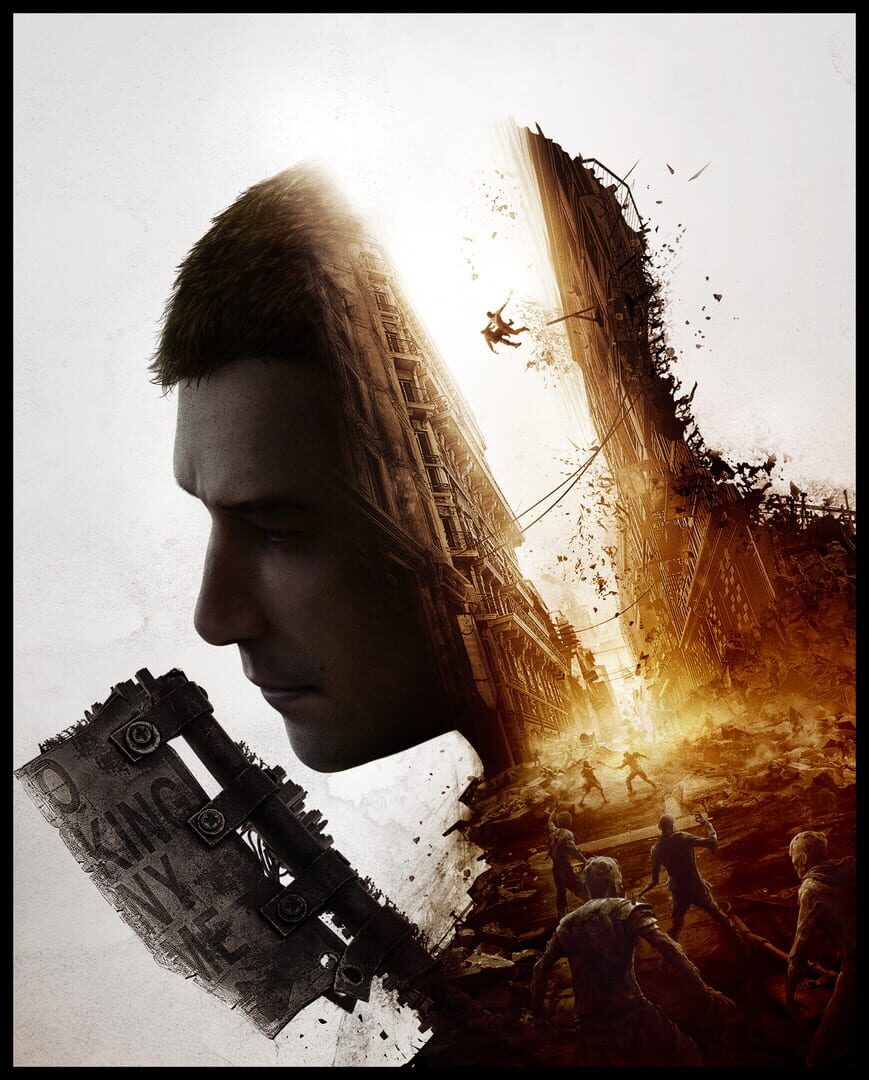

How Techland’s community‑driven “The Breach” initiative bets on user‑generated content, weekly drops, and creator partnerships to keep Dying Light 2 alive years after launch.
When Dying Light 2: Stay Human launched in early 2022, it arrived as a story‑driven, parkour‑heavy sequel with a clear endpoint. Two years on, Techland is trying to rewrite that trajectory. “The Breach,” a free update centered on user‑generated content, is the clearest sign yet that the studio no longer sees Dying Light 2 as a traditional boxed product. It wants a platform.
What “The Breach” Actually Is
On the surface, The Breach is a new mode that brings curated community maps and missions directly into Dying Light 2. Once you update the game, you get access to a growing playlist of short, self‑contained scenarios that play by the rules of the main game but bend them just enough to feel like experimental side dishes.
There are two core content streams feeding into this mode. The first is a rotating set of community maps, selected from the wider pool of creations and then polished with help from Techland’s designers. The second comes from standout creators who effectively work closer with the studio to deliver more ambitious or narrative‑driven experiences that still arrive under the UGC banner.
The first major drop, Survival Archives, brings back fan‑favorite oddballs Tolga and Fatin and threads them through a collection of community‑powered challenges. In practice, Survival Archives acts as a proof of concept. It shows that The Breach is not just a dumping ground of random levels, but a curated pipeline where Techland uses familiar characters and themes to frame player‑made content.
Techland’s Quiet Pivot To A Creator‑Led Future
The Breach is not arriving in a vacuum. Techland has spent years talking about long‑term support for Dying Light 2, but most of that has followed a familiar pattern of story DLCs, seasonal events, and balance patches. The Breach marks a pivot in emphasis from developer‑authored to community‑amplified content.
The studio’s UGC Program Manager, Rafał Polito, has been open about the goal: to give players tools and a clear framework so they can build new experiences inside Villedor. That messaging matters, because it positions UGC support as a formal pillar of the game rather than a side experiment. Techland is effectively telling its most engaged players that they are now collaborators in keeping Dying Light 2 relevant.
This is also why the mode is baked into a weekly roadmap from day one. Techland is committing to regular injections of new scenarios, challenges, and creator spotlights. In an era where live‑service games live or die on cadence, that roadmap is as important as the tools themselves.
Why User‑Generated Content Matters For Long‑Term Retention
User‑generated content in a game like Dying Light 2 answers two of the biggest problems any long‑tail title faces. The first is content drought. Even the most efficient studio cannot ship handcrafted missions fast enough to match the appetite of a dedicated player base. By seeding a robust UGC ecosystem, Techland opens the door to effectively limitless variations on combat trials, parkour gauntlets, puzzle rooms, and narrative vignettes.
The second problem is variety. Dying Light 2’s core loop leans heavily on parkour, melee combat, and night exploration. UGC can remix these systems in ways that the main campaign either cannot or will not. Designers inside Techland must worry about difficulty curves, canon, and accessibility. Community creators, especially those working closely with The Breach team, can chase wildly specific fantasies like ultra‑hard movement challenges or horror‑leaning stealth runs that would feel out of place in the base story but are perfect in a mode built around experimentation.
For player retention, this translates into shorter gaps between reasons to return. Weekly drops give lapsed players clear check‑in moments. Dedicated fans who engage with The Breach get an almost roguelike rhythm of discovering new challenges, learning their tricks, and moving on to the next set without waiting months for a full expansion.
Curation As The Secret Sauce
The big risk with user‑generated content is bloat. Without strong curation, players face a flood of low‑effort or broken maps that erode trust in the mode. Techland is clearly trying to manage this by acting less like a passive host and more like an editor.
By selecting, refining, and in some cases co‑developing maps before they hit The Breach playlist, Techland can keep a baseline quality that protects the brand while still giving room for experimentation. Survival Archives, framed around returning NPCs, shows how that curation can also create a sense of continuity with the main game. You are not just playing random levels. You are dipping into alternate stories and challenges that still feel anchored in Dying Light 2’s world.
This approach mirrors what works in other UGC‑driven ecosystems. The most successful examples do not simply expose a file browser. They build front doors, recommendations, and thematic events that help players find the good stuff fast. If Techland continues to treat The Breach as a curated channel rather than a raw feed, it has a real shot at avoiding the discoverability trap that has buried promising editors in other games.
Lowering Friction For New And Returning Players
The Breach update does more than just inject community content. It also smooths out early‑game progression, rebalances difficulty spikes, and improves lighting and color grading across Villedor. On the surface these sound like standard patch notes, but in the context of UGC they serve a strategic purpose.
If Techland wants The Breach to become a long‑term pillar, it needs a healthy pipeline of both creators and consumers. That means new players cannot be scared off by a punishing opening, and returning players need the game to feel more polished than it did at launch. Visual upgrades and quality‑of‑life fixes help Dying Light 2 look less like a 2022 release and more like a living platform in 2024 and beyond.
In other words, every performance tweak and lighting pass is part of the retention strategy. The easier it is to onboard someone into the core game, the more likely they are to stick around long enough to even discover The Breach tab in the first place.
Can The Breach Actually Extend Dying Light 2’s Lifespan?
The honest answer is that The Breach gives Dying Light 2 a much better shot at long‑term survival, but it is not a silver bullet on its own.
On the positive side, Techland is hitting the right notes. The content is free for all owners, which removes friction and grows the potential audience for creators. The weekly roadmap sets player expectations around cadence. The focus on curation keeps the bar high while still leaving room for wild, community‑driven scenarios that the main campaign could never sustain.
There is also the psychological effect. When players see a developer invest in formal UGC support years after launch, it signals that the game is not winding down. That perception can be as important as the content itself, because it reassures creators that their work will have an audience and encourages lapsed players to reinstall.
The challenges are more practical. UGC ecosystems thrive on tools and visibility. If the creation suite is too opaque, only a handful of dedicated modders will ever use it. If the in‑game browser for The Breach is shallow, casual players will miss some of the best work and assume the mode is thin. Techland’s long‑term success with The Breach will depend on how far it goes in educating players, surfacing standout maps, and rewarding creators with in‑game recognition or events.
Still, the trajectory is clear. Instead of relying solely on big, infrequent expansions to drag people back into Villedor, Techland is creating a space where the community can entertain itself in the gaps. If the studio can keep the tools evolving and the curation strong, The Breach could give Dying Light 2 the kind of long tail that keeps zombie parkour sessions alive for years instead of months.
A Platform Built On Parkour And Player Imagination
With The Breach, Dying Light 2 is inching closer to a hybrid identity. It remains a narrative‑driven open‑world action game, but it is also starting to resemble a platform for experiments in movement, combat, and co‑op chaos. Every new map is a small bet on what players actually find fun inside those systems.
If Techland sticks to its roadmap and continues to spotlight the best community creations through themed drops like Survival Archives, The Breach could become the default reason to boot the game long after the credits roll. In a crowded field of live‑supported titles, that is exactly the kind of second life Dying Light 2 needs.