
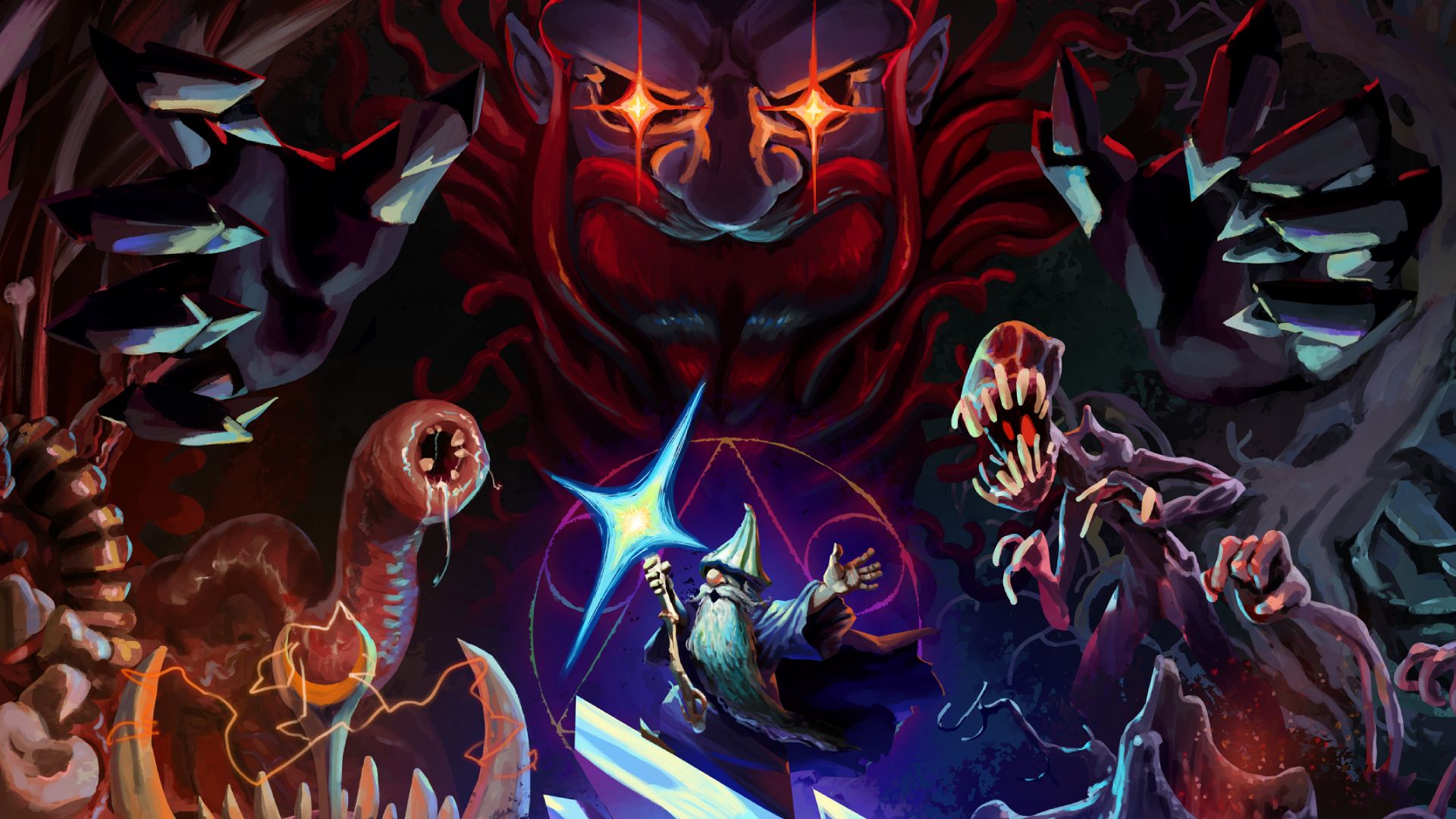

Bay 12 is building Dwarf Fortress magic into world generation itself, with procedural cosmology, magical research, materials, rituals, ruins and spells planned for the first Myth and Magic update.
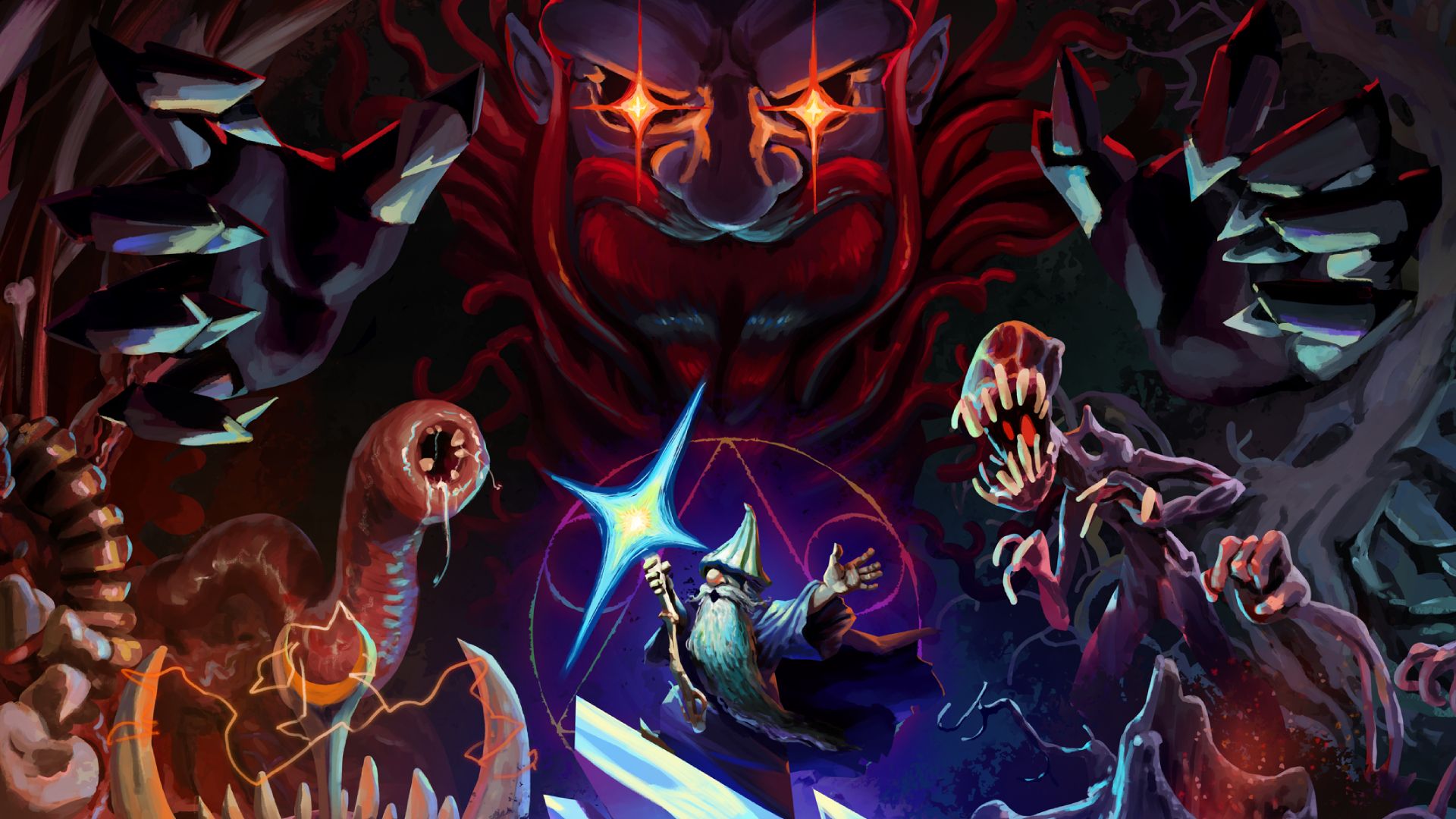
Image: pcgamer.com
Bay 12 is tying magic to the bones of each generated world
The concrete headline for Dwarf Fortress players is that Myth and Magic is no longer an abstract long-term ambition. Bay 12 co-founder Tarn Adams has described the update, in comments reported by Rock Paper Shotgun, as a set of procedural systems that go past mixing spell effects and reach into “the fundamental cosmological makeup of the universe.” PC Gamer similarly reports that the first Myth and Magic update is planned for later this year and is aimed at giving each player’s world its own procedural magic system.
That framing is important because Dwarf Fortress already generates geography, civilizations, histories, creatures, settlements and strange chains of causality before a fortress ever digs its first staircase. The Dwarf Fortress Myth and Magic update is being pitched as an extension of that same simulation-first philosophy. Magic is not being presented as a fixed menu of fireballs and healing buttons. Adams’ description suggests that the rules of sorcery are meant to arise from the world-generation layer, meaning a given save could have its own metaphysics before the player encounters the first wizard, ritual site or enchanted object.
The tension is obvious. Dwarf Fortress is famous because its simulations produce outcomes even the developers and players did not directly script. Applying that logic to magic promises the kind of emergent stories the game was built for, but it also means Bay 12 is adding another systemic load-bearing pillar to a game already known for intricate dependencies.
The first update is confirmed, but the full release shape is still unfinished
The clearest official timing comes through the coverage and public updates around Bay 12 and Kitfox. Rock Paper Shotgun says the Myth and Magic update is coming later this year, while PC Gamer reports that Dwarf Fortress will receive its first Myth and Magic update later this year. Kitfox’s devlog for Dwarf Fortress Patch 53.16 says Myth and Magic work is “very much underway” and that the team is preparing to show a first look at Myth and Magic gameplay at Gamescom, with the presentation watchable from home.
That does not mean the full system is already live. Kitfox’s 20th anniversary devlog pairs Myth and Magic art and music news with Patch 53.16, but the patch notes themselves are for quality-of-life fixes and bug fixes. Kitfox specifically says Patch 53.16 addresses issues such as extinct creatures, tavern patron overindulgence, dinosaur growth, dinosaur people attack types, divine object visibility and visiting scholars walking off with books and scrolls. Those are valuable fixes for the current game, but they are separate from the procedural magic system Adams has been discussing.
For players trying to plan a return, the practical read is straightforward: there is a confirmed Myth and Magic push, a first gameplay look is being prepared, and reporting points to later this year for the first update. The sources provided do not confirm an exact release date, price, platform rollout, save compatibility rules or whether every advertised magical subsystem arrives at once.
Procedural cosmology changes the strategic map before the fortress exists
In a normal strategy patch, balance changes usually happen inside the player’s decision space: weapons are tuned, crops are adjusted, enemies are revised, or buildings get new costs. The Dwarf Fortress magic system described by Adams starts earlier than that. Rock Paper Shotgun reports that the update will generate different approaches to sorcery during regular world generation, alongside the creation of rivers, mountains, creature histories, populations and settlements.
That has larger consequences than a new combat school. If magic is authored by procedural cosmology, then the world seed becomes a strategic variable in a new way. Players already choose worlds based on embark conditions, threats, biomes, metals, neighbors and history. A procedural magic system could add another hidden economy: what magical traditions exist, what materials matter, where ruins are placed, which civilizations have access to supernatural practices, and whether a fortress is close enough to exploit or suffer from them.
This is where the update could become a genuine meta shift for long-term fortress play. Dwarf Fortress veterans optimize around supply chains, labor allocation, military readiness, artifact risk and strange mood outcomes. Adams’ examples, as reported by Rock Paper Shotgun, include magical research that feels like discovery, magic materials, enchantments, rituals and ruins, plus spells that can simply blow things up. If those systems enter the simulation with meaningful scarcity and location dependence, a fortress may no longer be judged only by ore, soil, water and enemies. It may also be judged by proximity to occult infrastructure and by how safely a player can convert unknown metaphysics into usable power.
Fortress play could become a research economy instead of a spell list
The most interesting confirmed phrasing is Adams’ claim, reported by Rock Paper Shotgun, that fortresses will be able to pursue magical research that “really feels like discovery.” That is a very different design target from unlocking tier-one, tier-two and tier-three spells on a predictable tech tree. Dwarf Fortress already turns knowledge into logistics through libraries, scholars, artifacts, temples, books, visitors and historical records. Kitfox’s Patch 53.16 note that visiting scholars should stop walking off with books and scrolls is a small reminder that knowledge objects already have systemic friction in the current game.
If Myth and Magic builds on that foundation, the strategic question becomes less “which spell should I cast?” and more “what kind of institution does my fortress need to understand this universe?” Materials would need extraction or trade. Enchantments would need objects worth investing in. Rituals would need locations, participants or conditions. Ruins would create risk-reward expeditions if they are integrated into fortress objectives. Even destructive magic could have economic consequences if it doubles as labor, mining, terrain manipulation or siege defense.
Rock Paper Shotgun mentions a preview example of a goblin-shredding hex that also shifts stone. That kind of dual-use tool is exactly where Dwarf Fortress systems become dangerous and interesting. A spell that kills enemies is a military asset. A spell that moves stone is an engineering asset. A spell that does both can disrupt labor planning, defense design and embark evaluation, but only if the player can discover it, control it and survive the side effects.
Adventure mode is the big unanswered multiplier
The sources provided are much firmer about world generation and fortress research than they are about Adventure mode specifics. Adams’ comments, as reported, describe magical systems rooted in each universe, while Rock Paper Shotgun discusses fortresses pursuing magical research and mentions magical materials, enchantments, rituals, ruins and combat-capable spells. None of the supplied source text confirms exactly how the first Myth and Magic update will change Adventure mode.
Even with that caveat, procedural cosmology has obvious implications for adventure play if Bay 12 exposes the systems across the wider simulation. Dwarf Fortress worlds are shared spaces between modes. Histories, settlements, figures, sites and objects can matter across play styles. A magic system generated at the cosmological level could turn Adventure mode from a tour through known fantasy archetypes into an investigation of a particular world’s supernatural rules.
That is interpretation, not an announced feature list. The practical expectation should be cautious. Players should not assume a complete wizard career, a full ritual-hunting adventure loop or every fortress research mechanic appearing in Adventure mode on day one. The stronger grounded claim is that world-generation-level magic gives Bay 12 a foundation that could support those outcomes over time, because the rules would already belong to the generated universe rather than to a separate combat overlay.
Patch 53.16 shows Bay 12 is still cleaning the simulation around the edges
The Myth and Magic announcement is arriving alongside ordinary, deeply Dwarf Fortress-shaped maintenance. Kitfox’s 20th anniversary devlog says Patch 53.16 fixes a “key cause” of tavern patrons overindulging, makes fanciful but existing creatures like unicorns appear again with tracked materials, slows dinosaur growth, restores missing attack types for dinosaur people, improves divine object visibility, and addresses visiting scholars taking books and scrolls.
Those notes matter because Myth and Magic will enter a simulation where small data errors and social behaviors can produce bizarre fortress-level consequences. The Reddit thread linked from the Dwarf Fortress community, which points to the same Steam community update, shows players immediately arguing over a patch note about dwarves no longer making equipment types from outside their civilization. Some commenters liked the old behavior because strange mood artifacts could feel like flashes of foreign inspiration, while another pointed out that exotic weapons could be useless if dwarves could not make ammunition or wield them properly.
That exchange is a useful preview of the challenge ahead. Dwarf Fortress players love accidents that can be explained as story, but the game also needs enough rules coherence for strategy to matter. A procedural magic system will have to live in that narrow space. If every surprise is legible after the fact, Myth and Magic can deepen the simulation. If the rules are too opaque or too disconnected from player preparation, magic risks becoming noise rather than strategy.
The smart play is to watch the first gameplay reveal before rebuilding your world
For returning players, the safest advice is to treat Myth and Magic as a major upcoming world-generation development rather than a patch already folded into today’s stable routine. The current public material confirms direction, tone and several system categories, but not the detailed release mechanics. Kitfox says a first look at gameplay is being prepared for Gamescom. Until that footage and any accompanying notes arrive, questions around save migration, world-regeneration requirements, scope of the first release and mode coverage remain open.
Strategically, the biggest likely decision will be whether to start fresh when the update lands. Because the described systems reach into Dwarf Fortress world generation, the most complete version of Myth and Magic is likely to be experienced in a newly generated world, if the final implementation follows the announced design emphasis. That is an expectation based on the reported world-generation framing, not a confirmed instruction from Bay 12 or Kitfox.
The reason to pay attention is not spectacle alone. Dwarf Fortress has always been strongest when its absurdity is traceable back to rules, history and material conditions. A procedural magic system that begins with cosmology could give long-term fortress runs a new axis of planning and failure: not merely whether a dwarf can cast a spell, but whether a civilization can understand what kind of universe it has been born into before the universe answers back.