
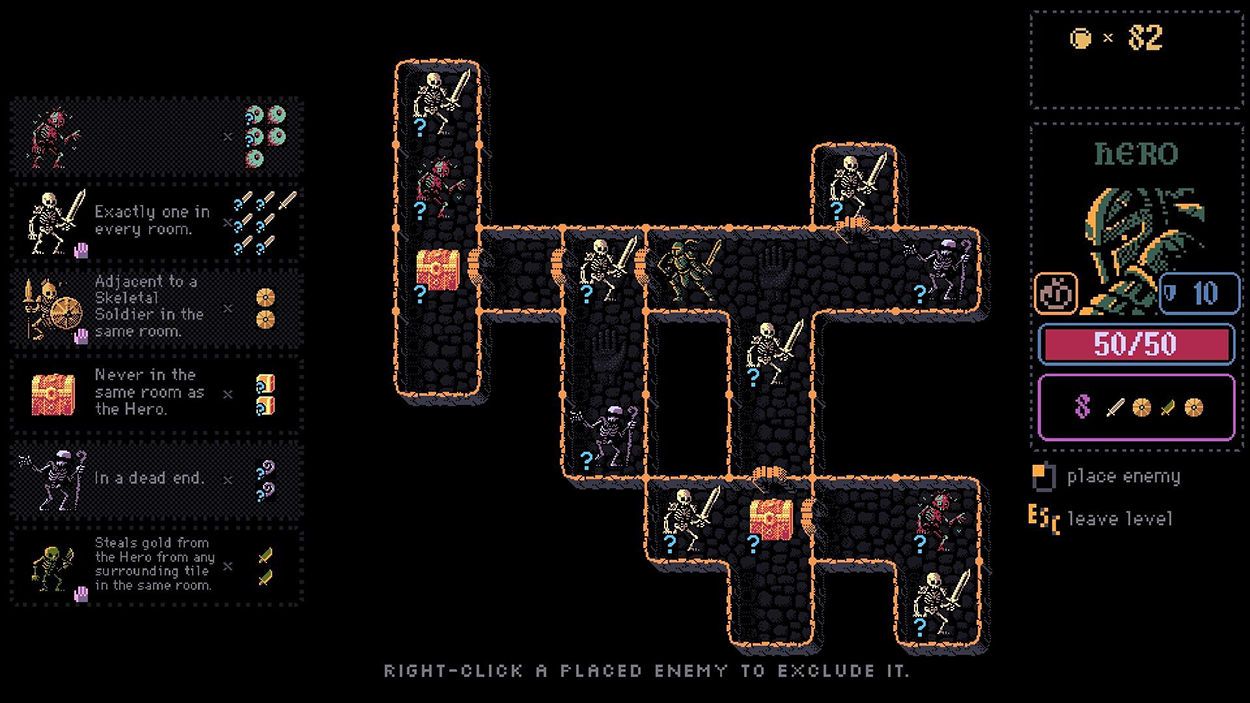

MythicOwl’s Dungoku is a Steam-bound pixel art indie game that swaps sudoku numbers for undead deductions, loot, damage, and dungeon survival.
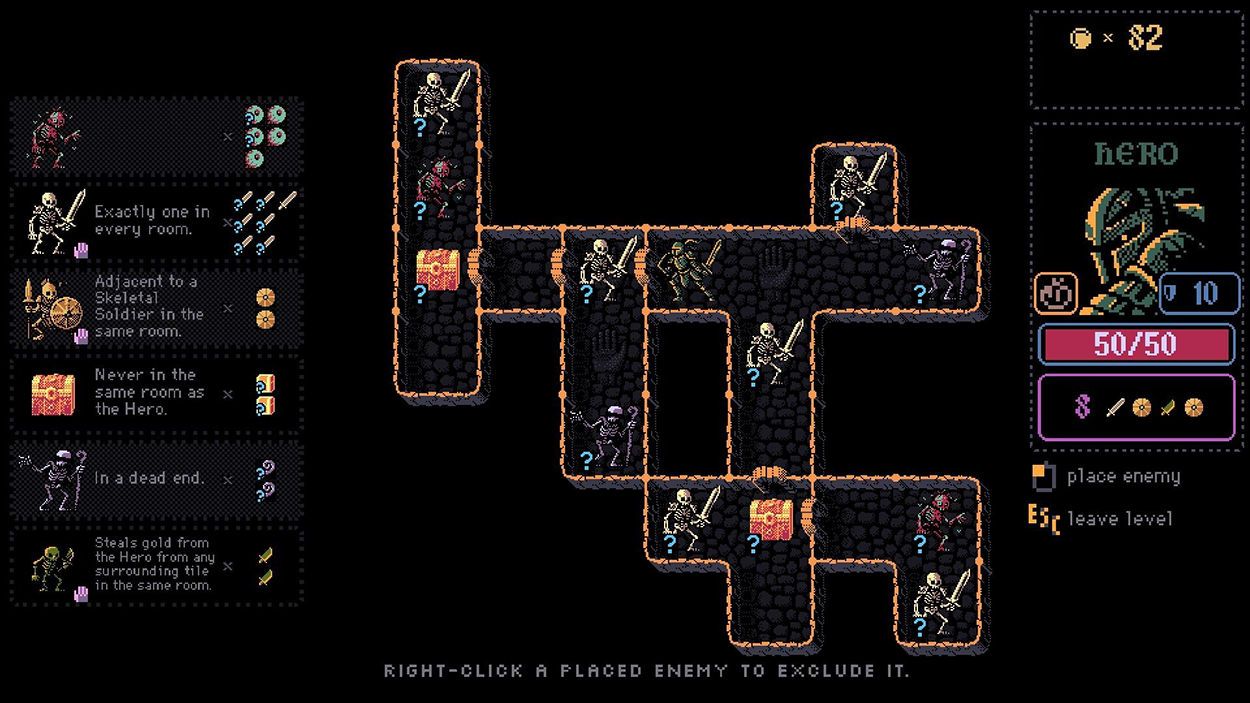
Image: fantasykosmos.de
Dungoku’s hook is clear, but its date is already murky
MythicOwl has announced Dungoku, a dark fantasy puzzle game that turns sudoku-style deduction into a dungeon crawl where monsters, treasure, and survival all live on the grid. The studio’s press release on Games Press describes it as coming to Steam for PC, macOS, and Linux on release day, with more than 100 handcrafted dungeons, over 70 weapons, armour pieces, and items, and more than 20 monster types.
That is the firmest part of the announcement: Dungoku is a Steam puzzle RPG hybrid from MythicOwl, the studio GamingOnLinux identifies as the developer behind Truckful and Planetiles. The less settled piece is timing. The Games Press release says Dungoku is coming to Steam “still in 2026.” GamingOnLinux reports a 2027 release with full Linux support. Rock Paper Shotgun, covering the announcement, says there is no release date attached yet and points readers to the Steam wishlist page. GameHowTo lists December 31, 2026, but that kind of end-of-year date often functions like a placeholder unless an official storefront or publisher announcement confirms it.
So the practical read is this: Dungoku is announced for Steam, with Windows, macOS, and Linux named in announcement materials, but players should treat the exact launch date as unresolved until MythicOwl or the Steam page makes it explicit. For a small indie built around puzzle authoring, that uncertainty is worth watching rather than worrying over. The design lives or dies on whether those dungeons are carefully tuned, and the sources all point to hand-built puzzles rather than procedural filler.
The sudoku idea is about deduction, not copying a number grid
Dungoku is being pitched as a sudoku dungeon crawler, but the interesting part is how far it steps away from ordinary sudoku rules. Rock Paper Shotgun reports that the game uses grid-based dungeon maps in different shapes and sizes, but instead of filling rows, columns, and boxes with numbers, players place or identify enemies and sometimes chests according to specific constraints.
That difference matters. Sudoku has one stable rule language: each number belongs once in a row, column, and region. Dungoku appears to use changing monster logic from dungeon to dungeon. Rock Paper Shotgun gives examples: one enemy may need to be adjacent to a zombie in the same room, another may need to be placed in a dead end, and an owl-like creature may only share a room with itself or other animals. GamingOnLinux similarly describes skeletons, zombies, and other undead creatures hidden throughout grid-based depths, with the player using strategy rather than reflexes to locate them.
The result sounds closer to a logic puzzle bestiary than a reskinned sudoku sheet. Each monster is a rule, each room is a constraint space, and the dungeon layout shapes the possible answer. That is promising because it gives Dungoku room to escalate difficulty without simply making grids bigger. A dead end rule teaches spatial reading. An adjacency rule teaches relationship mapping. A room-sharing rule asks players to think in sets. If MythicOwl keeps layering those ideas cleanly, the game could appeal to players who enjoy deduction but bounce off plain number puzzles.
Damage and gold give every guess a cost
The dungeon crawler half of Dungoku comes through in its risk loop. According to the Games Press announcement, correctly predicting a monster’s position brings rewards, while getting it wrong comes with a cost. Rock Paper Shotgun is more specific about the penalty, reporting that a mistake in placement results in the player getting hurt. GamingOnLinux says successful calls earn gold, while bad calls carry consequences.
That makes Dungoku less passive than many grid logic games. You are not only checking an answer key at the end of a puzzle. The sources describe a structure where each commitment can push your run forward or weaken your ability to survive the next encounter. Gold can be spent on weapons, armour, and special items, according to the Games Press release, while GamingOnLinux lists more than 70 weapons, armour pieces, and items, each offering a different strategic buff.
This is where puzzle RPG fans should pay attention. Equipment in a deduction game can easily become cosmetic if the logic is always binary, but Dungoku’s announcement suggests upgrades are tied to survivability and risk management. If a wrong deduction hurts, then armour can soften learning mistakes, weapons may affect battle outcomes after monsters are revealed, and special items could create tactical exits from uncertain boards. The sources do not detail individual gear effects yet, so that part remains expectation rather than confirmed system depth. Still, the confirmed ingredient list gives MythicOwl a strong foundation: logic creates reward, reward funds equipment, equipment supports deeper dungeon progress.
The Spire gives the puzzle set a campaign spine
Dungoku’s setting is built around the Spire, described in the Games Press release as a towering, mysterious structure whose deepest dungeons remain unconquered. Players descend by learning enemy characteristics, building an arsenal, and surviving increasingly dangerous encounters. That framing is useful because it gives the puzzle count a sense of climb and attrition rather than presenting 100-plus boards as a loose menu.
Handcrafted content is the quiet headline here. GamingOnLinux and Games Press both cite more than 100 handcrafted dungeons. In a puzzle game, handcrafted is a stronger promise than scale alone. Deduction puzzles need fair information, readable escalation, and solutions that feel earned. Random grids can produce novelty, but authored grids can teach players a rule, twist it, combine it with another rule, and then test whether the player truly understood the interaction.
The announced monster count also supports that structure. More than 20 monster types means Dungoku has enough vocabulary for variety, but not so many that the design must drown players in exception handling. The sweet spot for a dark fantasy puzzle game like this will be clarity under pressure: enough undead weirdness to keep dungeons fresh, enough visual and rule consistency that mistakes feel like missed deductions rather than designer trickery.
A small pixel art game leaning into craft
Dungoku’s presentation is part of the pitch, not window dressing. GamingOnLinux says the game uses a handcrafted 64-colour pixel art style, with retro dark fantasy atmosphere, ambient soundscapes, and human-composed music. The Games Press announcement repeats the 64-colour pixel-art detail and frames the trailer as a first look at monster-position deduction, battle encounters, equipment progression, and classic pixel presentation.
For a pixel art indie game built around grids, readability will be as important as mood. The screenshots and announcement language point toward skeletons, zombies, chests, rooms, and dungeon spaces that need to be understood at a glance. The best version of Dungoku will make every tile legible while still selling the gloom of an ancient spire. That is a tricky balance. Too much visual noise can muddy deduction. Too little personality can make a dungeon crawler feel like a spreadsheet wearing a cloak.
The note about human-composed music has also caught attention. Rock Paper Shotgun specifically singled out that wording, reading it as a reassuring sign in the current climate around AI-generated creative work. The sources do not provide composer credits in the supplied material, so there is no named musician to point to yet. What is confirmed is that the announcement materials emphasize human-composed music and ambient sound as part of Dungoku’s identity.
Platforms, price, and the questions still open
For now, Steam is the confirmed destination across the provided coverage. The Games Press announcement says Dungoku will be available on PC, macOS, and Linux on release day. GamingOnLinux also reports full Linux support, which is notable because many small Steam indies start with Windows and leave native Linux either unannounced or dependent on Proton. GameHowTo likewise lists Windows, Mac, and Linux and identifies the game as single-player.
Price is still TBA in the supplied materials. None of the sources provide system requirements, controller support details, Steam Deck verification, localization information, demo plans, or a firm launch day. Given the release-date mismatch between Games Press, GamingOnLinux, Rock Paper Shotgun, and GameHowTo, those practical questions are best treated as pending until the Steam listing or MythicOwl clarifies them.
The sensible move for interested players is to wishlist Dungoku on Steam and watch for a demo, an updated date, or a clearer breakdown of equipment effects. If you like deduction-first games, dungeon crawlers with meaningful resource pressure, or small indies that build one sharp mechanic into a full campaign, Dungoku has the right ingredients. The caution is equally simple: its promise depends on puzzle tuning. A sudoku dungeon crawler needs elegant rules, fair clueing, and consequences that create tension without punishing honest reasoning. If MythicOwl lands that balance, this could become one of Steam’s more distinctive puzzle RPG curiosities.