
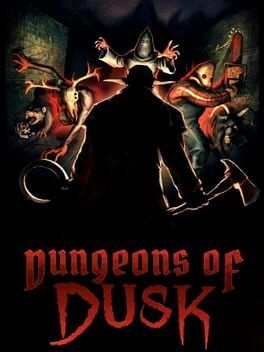

How Dungeons of Dusk translates New Blood’s boomer shooter Dusk into a grid-based, turn-based RPG on Nintendo Switch and Switch 2, and where it fits in the growing trend of FPS strategy spin‑offs.
Dungeons of Dusk is one of those spin offs that sounds like a joke until you see how well it fits. New Blood’s cult shooter Dusk, famous for its frantic movement, chunky weapons and retro horror vibe, is being reimagined as a classic turn based dungeon crawler for Nintendo Switch and the upcoming Switch 2 in 2026. Instead of bunnyhopping through slaughter arenas, you are counting tiles, managing action points and squeezing every advantage out of a tight grid.
On paper it is a wild shift, but Dusk’s setting and enemies translate cleanly to a slower, more tactical format. Dungeons of Dusk is set canonically between episodes of the original FPS, letting it borrow familiar locations, weapons and factions while filling in some narrative gaps. Where Dusk used fast movement and twitch reflexes to sell its tension, Dungeons of Dusk uses positioning, line of sight and resource attrition.
At the core of that reimagining is grid based combat. Every map is carved into discrete tiles, and each turn becomes a small puzzle about how far to move, when to attack and when to retreat. Enemies that once rushed you in real time now telegraph their intent with clear ranges and patterns. You can bait a chainsaw cultist two tiles forward to expose its flank, or step just far enough out of a possessed soldier’s firing arc to force it into overwatch. The familiar Dusk arsenal is broken down into discrete actions with clear costs: a shotgun blast that hits a three tile cone, a railgun shot that pierces targets along a straight line, a melee strike that refunds a little movement if it kills.
Because inputs are turn based rather than reactive, positioning matters more than raw aim. Damage cones, elevation and cover define the flow of a fight. A cramped slaughterhouse corridor might favor short range weapons and defensive overwatch lines, while a wider arena encourages flanking and crossfire setups. It still feels like Dusk in aesthetic and lethality, but the rhythm has shifted toward deliberate planning. Surviving a room means reading enemy intent and turn order just as much as knowing the right weapon for the job.
Those systems are backed by heavier RPG progression than the FPS ever had. You are building a party rather than guiding a lone murder machine, with each character filling a clear role in the roster. A shotgun bruiser might invest in talents that boost close range accuracy and provide armor shredding, while a mystic cultist build leans into debuffs and battlefield control. Attribute points and skill trees push you into interesting tradeoffs: more initiative so you act earlier in the round, or more health to tank the inevitable misplays.
Loot retains the grungy flavor of the original, but it now plugs into a full gear system. Weapons roll with modifiers that change their tactical use, like a hunting rifle that gains bonus damage against distant targets, or a riveter that leaves damaging hazards on the floor. Armor pieces might tweak your movement range or resistance to specific damage types, which in a grid based game directly changes how many tiles you can cover or how far you can safely overextend. Consumables become clutch tactical tools, from throwable dynamite that reshapes the battlefield to syringes that let a character break initiative order for a surprise play.
The campaign structure leans into that RPG framework. Instead of a straight shot through three frantic episodes, Dungeons of Dusk is presented as a series of dungeons and side routes that branch off the main story path. Each dungeon can be tackled in different orders, with optional objectives that offer better rewards at higher risk. Between excursions you return to a hub where you manage your party, craft or upgrade gear, and take on contracts that feed into the larger narrative that bridges Dusk’s episodes.
Mortality and attrition are a bigger part of the experience here. In an FPS you can brute force a tough encounter with enough reloads, but a grid based crawler has to account for long term resource burn. Health, ammo and sanity become limited pools you are constantly trading against each other. Do you push one more room with battered armor for the chance at better loot, or cut your losses and extract before you lose a veteran party member? That rhythm of delve and retreat makes the campaign feel closer to a classic PC dungeon crawler, just dressed in Dusk’s grainy industrial horror.
Nintendo’s hardware makes the turn based format a natural fit. On current Switch, the slower pacing sidesteps the frame rate and input compromises that can haunt fast shooters. The grid structure is perfect for playing in handheld mode, with clean tile highlighting and clearly readable enemy intent. On the more powerful Switch 2, New Blood and 68k Studios can push atmospheric lighting, higher fidelity models and more complex encounter scripting without sacrificing responsiveness, since input timing is not as demanding as in a real time FPS.
Portability is also a quiet strength. Dungeons of Dusk breaks naturally into one or two dungeon runs at a time, which suits short sessions on the go. A tough fight can be suspended mid turn without losing the snap decision making that defines the format. Where the original Dusk is at its best when you can sink into a long, twitchy session with a controller or mouse, Dungeons of Dusk feels tailored to a commute or a quick break, with clear tactical milestones instead of a constant action blur.
The more interesting story is how Dungeons of Dusk fits into a broader trend of FPS franchises stretching into strategy and RPG territory. It is the same instinct that led XCOM to borrow from tactical shooters, or that produced games like Metal Gear Acid and Gears Tactics. Once an FPS world gains a foothold as a recognizable setting with factions and lore, that fiction can be reinterpreted through different mechanical lenses. Dusk’s cultists, possessed soldiers and rural nightmares were built to be shot at high speed, but they also make sense as members of enemy squads that you outmaneuver with range bands and action points.
There is a commercial logic here too. A hardcore boomer shooter has a ceiling on how large an audience it can reach, especially on a platform like Switch that is saturated with RPGs and tactics titles. By reframing Dusk as a dungeon crawler, New Blood can introduce the brand to players who might never touch a frantic retro FPS. At the same time, long time fans get a deeper look at the world in a format that encourages slower reading of environments and item descriptions, and where a cultist’s stat block says as much about them as their death animation.
Dungeons of Dusk highlights just how flexible this kind of spin off can be. It keeps the core ingredients that made Dusk a cult classic: heavy industrial horror, a grimy late 90s PC aesthetic, and an unapologetically hostile world. It trades reflex tests for decision pressure, using the same enemies and weapons to fuel a more cerebral kind of tension. For Switch owners curious about the Dusk universe or veterans looking for a different way to inhabit it, this 2026 dungeon crawler could be the most interesting way yet to get lost in the dark between episodes.