
![Dungeons and Dragons: Long Rest Tavern - screenshots 13 [4.INNKEEPER_Reveal_Screenshot_DragonHead.png.png]](/images/dungeons_dragons_long_rest_tavern_announced_cozy_faerun_sim_inn_announcement_d_c4403fb9d8.png)
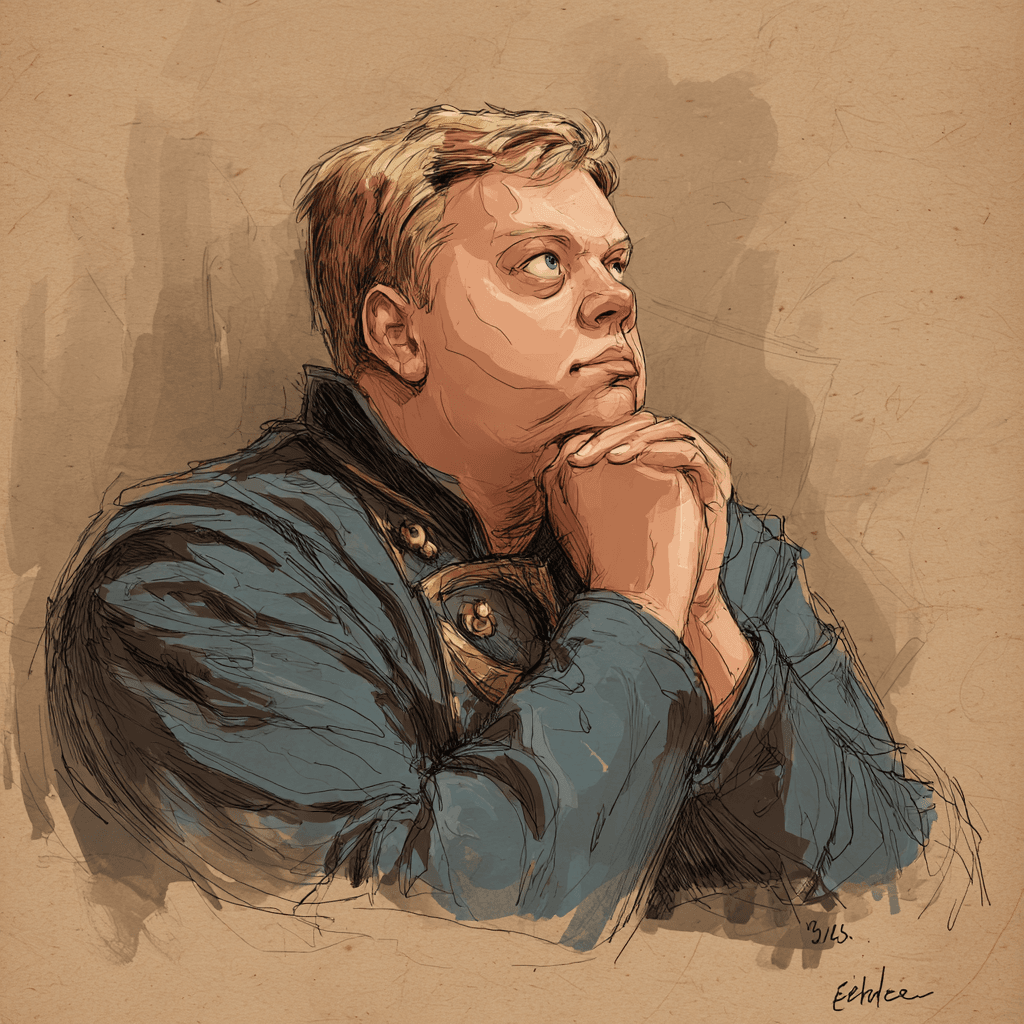
Dotemu and Homo Ludens have announced Dungeons & Dragons: Long Rest Tavern for PC in 2027, shifting D&D from dungeon runs to tavern management in Faerun.
![Dungeons and Dragons: Long Rest Tavern - screenshots 13 [4.INNKEEPER_Reveal_Screenshot_DragonHead.png.png]](https://cms.vgbuzz.net/uploads/dungeons_dragons_long_rest_tavern_announced_cozy_faerun_sim_inn_announcement_d_c4403fb9d8.png)
Image: dotemu.com
D&D’s next management pitch puts the quest board behind the bar
Dotemu and developer Homo Ludens have announced Dungeons & Dragons: Long Rest Tavern, a PC management sim due in 2027 that moves the player out of the adventuring party and into the inn that feeds, hires, equips, and profits from those parties. Gematsu reports that the game is planned for PC via Steam in early 2027, while other announcement coverage, including Console Creatures, GameSpot, Noisy Pixel, COGconnected, and Bleeding Cool, describes the window more broadly as 2027.
That date spread is small, but it is the first thing to keep in mind. The confirmed development is the Long Rest Tavern announcement itself: a Dungeons & Dragons tavern game from Dotemu and Homo Ludens set in the Dalelands of Faerun. The precise release date, price, system requirements, console plans, and launch model have not been announced in the supplied material.
There is also a naming wrinkle worth clearing up for readers searching for Dungeons and Dragons Long Rest Inn. The announced game name in the publisher-sourced overviews and Steam-linked reporting is Dungeons & Dragons: Long Rest Tavern. Some secondary references and search phrasing are already drifting toward “Long Rest Inn,” and Console Creatures’ headline even appears to say “Lost Rest Tavern,” but the reported title across the announcement materials is Long Rest Tavern.
The tavern loop is part builder, part kitchen economy, part quest broker
The core pitch is immediately legible if you have played business sims, kitchen management games, or any strategy game where the real work happens before the mission starts. According to Dotemu’s overview published by Gematsu, players start with a humble establishment and build it into “the coziest, most profitable corner of Faerun.” TechRaptor describes the building tools as a Sims-like system where players can adjust the size and shape of rooms, then tune wallpapers, floorboards, lighting, and other stylistic choices.
That is the decorative layer. The operating layer is about serving adventurers, keeping supplies stocked, expanding the menu, and hiring staff. GameSpot reports that staff will have their own specialties, strengths, and weaknesses. Noisy Pixel adds that larger crowds can create rush periods where supplies and order flow matter, which puts Long Rest Tavern closer to an optimization game than a passive diorama.
Food and drink are central to the economy. Dotemu’s feature list, via Gematsu, says players will cook, brew, experiment, discover recipes, and create special drinks for heroes recovering from quests. TechRaptor reports that players begin with more basic offerings such as ales and wines, then send adventurers out to obtain rarer items that feed back into new recipes. That loop is important: the tavern is not only a sink for money earned, it appears to be the machine that converts visitors into resources, resources into recipes, recipes into reputation, and reputation into a busier business.
The clever hook is outsourcing danger, then managing the odds
Long Rest Tavern’s strongest strategy idea is that adventures still happen, but the player is no longer the one swinging the sword. Dotemu’s overview calls this “Outsource the Danger,” with heroes sent across Faerun to recover rare ingredients, magical curiosities, and treasures. Gematsu’s publisher-sourced text says luck, skill, and fate decide what they bring back, with dice shaping the journey.
GameSpot reports that players can assign challenges to adventurers staying at the inn, and that dice factor into this part of the experience. Noisy Pixel and Bleeding Cool both describe quest assignment as being tied to party composition, with player decisions influencing how expeditions play out. Console Creatures also reports that adventurers pick up quests at the inn and that the player takes a cut.
For a management audience, that is the part to watch. If the system is shallow, quests become a themed timer that spits out ingredients. If Homo Ludens builds real tradeoffs into party strengths, menu buffs, staff efficiency, and dice variance, this could become a satisfying logistics game about preparing other people to take risks on your behalf. The announcement confirms the shape of that system, but not its granularity. We do not yet know whether party composition is a simple matching puzzle, a deeper probability model, or something closer to tabletop-inspired risk management.
How Long Rest Tavern breaks from the usual D&D video game fantasy
GameSpot frames the contrast clearly: most Dungeons & Dragons video games put players in the role of adventurers exploring fantasy worlds, fighting monsters, and collecting rewards. Long Rest Tavern flips the camera toward the people those heroes rely on between fights. In practical design terms, that changes the fantasy from execution to preparation.
That distinction also separates this D&D tavern management game from the louder action-game reading of the license. GameSpot specifically compared the Long Rest Tavern reveal trailer with the Warlock gameplay trailer shown during Gamescom Opening Night Live, saying Long Rest Tavern made the better first impression, while also noting it was too early to make judgments. The point is not that one D&D game style replaces another. It is that Dotemu and Homo Ludens are making a different bet about what the license can support.
Instead of asking whether a player can dodge dragonfire, land combos, or command a combat build, Long Rest Tavern asks whether the inn can handle demand, whether the menu fits the customer base, whether the staff can keep up, and whether the right heroes are being sent to the right jobs. The “long rest” in D&D is usually downtime between danger. Here, downtime becomes the main system.
A lower-stakes Faerun sim could reach beyond the usual party
The wider audience opportunity is easy to see, although it remains an expectation rather than a confirmed outcome. A Faerun management sim can use the Dungeons & Dragons setting without requiring players to master combat timing, dense character builds, or a full campaign structure. The confirmed ingredients are approachable: a cozy roadside inn, a growing menu, decorations, staff, recurring patrons, artifacts, mementos, rival taverns, and quests that happen through management decisions.
That mix gives Long Rest Tavern several possible entry points. D&D players get the Dalelands, classes, species, dice language, and the fantasy of supporting heroes. Cozy strategy players get a business to decorate and optimize. Management sim fans get staffing, rushes, supply pressure, layout decisions, and progression. The game’s commercial pitch sits in that overlap.
There is a design risk inside the same promise. Cozy games live or die on rhythm, clarity, and friction. Strategy games live or die on meaningful constraints. If Long Rest Tavern leans too hard into chaos, the inn fantasy could become stressful without enough tactical payoff. If it sands off too much pressure, the quest economy could feel ornamental. The announcement material suggests Homo Ludens is aiming for a middle lane: welcoming presentation, but with enough systems, dice, staff traits, rival pressure, and customer demand to make the tavern worth managing over time.
The rival innkeeper gives the economy a face
Several reports mention a rival tavern or rival innkeeper, and that detail may matter more than it first appears. GameSpot says players will deal with a rival innkeeper looking to stifle the business. TechRaptor says growing popularity will invite rival taverns to interact with the player. Bleeding Cool describes the rival as someone eager to push the player toward their potential.
Those descriptions do not yet define the mechanic. A rival could be a narrative foil, a pricing pressure system, a reputation race, a source of special events, or a way to pace upgrades. The announcement does not confirm which of those models Long Rest Tavern uses.
From a strategy perspective, rivalry is useful because management games need external pressure. A menu, a room layout, and a staff roster become more interesting when the player is reacting to scarcity, competition, customer expectations, and opportunity cost. If rival behavior affects foot traffic, quest availability, ingredient markets, or reputation, it could become the system that keeps the campaign from becoming a linear upgrade checklist. For now, that remains a question for future gameplay demonstrations.
Release plans, unanswered questions, and whether to wait
The practical facts are limited but clear. Dungeons & Dragons: Long Rest Tavern is announced for PC, with Steam-linked reporting from Gematsu, Noisy Pixel, and Bleeding Cool. The release window is 2027, with Gematsu specifying early 2027. No supplied source confirms a console version, price, demo, Early Access plan, controller support, Steam Deck status, or PC requirements.
That makes this a game to watch rather than a game to plan a purchase around yet. The trailer and announcement materials establish the premise and several systems: tavern construction, decoration, cooking, brewing, recipe discovery, staff management, customer rushes, quest assignment, dice-influenced outcomes, artifacts, mementos, recognizable and new heroes, and a rival innkeeper. They do not yet show enough to judge balance, campaign length, late-game complexity, accessibility options, or performance.
For D&D fans, the immediate appeal is the chance to inhabit Faerun from a quieter angle. For cozy strategy players, the appeal is a management loop with a strong fantasy wrapper and a built-in reason for every recipe, room, and hire to matter. The Long Rest Tavern announcement is promising because it understands that the safest room in an adventure can still be full of decisions. The next proof point is whether those decisions carry enough weight once the first rush hits the bar.