
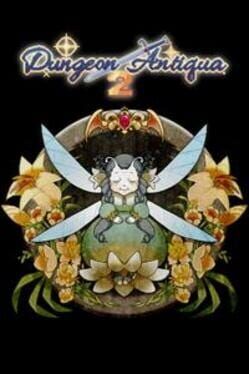

Dungeon Antiqua 2 is coming to Nintendo Switch on August 20, with a broader console release also reported. Here is what retro dungeon RPG fans should know before adding it to the backlog.
Image: IGDB
Store links: Dungeon Antiqua 2 on Steam
Dungeon Antiqua 2 is dated for Switch, but the platform story is wider
Dungeon Antiqua 2 is planned for Nintendo Switch on August 20, 2026, according to NintendoEverything, which reported the announcement from Amata Games and Shiromofu Factory. That is the clearest news for Nintendo players: the sequel to Dungeon Antiqua now has a Switch date, and it arrives only a few weeks after the first game’s console debut.
There is a useful wrinkle here. NintendoEverything’s post is framed around the Switch eShop, while Gematsu reports that publisher AMATA Games will release Shiromofu Factory’s sequel for PlayStation 5, Xbox Series, and Switch on the same August 20 date. Gematsu also notes that Dungeon Antiqua 2 first launched for PC via Steam on January 7 and will support English, Japanese, and Simplified Chinese language options. In other words, this is not being positioned in the available sources as a Switch-exclusive release, even though the Nintendo news hook is the Switch version.
For players looking at the expanding Nintendo hardware picture, that distinction matters. The confirmed Nintendo platform in the supplied reporting is Nintendo Switch. None of the provided sources announce a native Switch 2 version, a Switch 2 upgrade path, Switch 2-specific performance features, or a separate Switch 2 RPG listing. If you are building a future-facing RPG backlog around Switch 2, Dungeon Antiqua 2 is currently a Switch announcement first, with broader current-generation console availability reported elsewhere.
A sequel arriving almost immediately after the original’s console port
The timing gives Dungeon Antiqua 2 a strange but potentially helpful runway. NintendoEverything reported on July 1 that the original Dungeon Antiqua was heading to Nintendo Switch on July 30. RPG Site adds broader context, reporting that the first game launches that same day for PlayStation 5, Xbox Series X|S, and Nintendo Switch at $8.99, after originally launching on Steam in October 2024.
That means console players are being offered the first game and its sequel less than a month apart. For a retro dungeon RPG audience, that can cut both ways. It gives completion-minded players a clear order if they want to start at the beginning, especially since Gematsu’s overview says Dungeon Antiqua 2 takes place hundreds of years after Dungeon Antiqua and may include familiar characters. It also creates a practical buying question: whether to sample the $8.99 original first, wait for sequel pricing, or jump straight into the newer system set.
The sources do not provide console pricing for Dungeon Antiqua 2. They also do not include review scores, performance impressions, file size, touch-screen support, or handheld battery data. The only safe guidance for Switch owners is timing-based: the first game is scheduled for July 30, the sequel for August 20, and the PC version of Dungeon Antiqua 2 is already available via Steam according to Gematsu and RPG Site.
The sequel shifts the retro target from NES memory to SNES texture
Dungeon Antiqua was described by NintendoEverything and RPG Site as a retro-inspired dungeon-crawling RPG drawing on the feel of 1980s and 1990s classics, with NintendoEverything specifically citing inspiration from series like Wizardry and Final Fantasy. The first game’s published description emphasizes dot-style visuals, nostalgic chiptunes, free party formation, auto-generated maps, and repeated expeditions through dungeons.
Dungeon Antiqua 2 changes the nostalgic reference point. The overview shared by NintendoEverything and Gematsu describes it as a 2D dungeon hack-and-slash RPG with Super Nintendo Entertainment System-style pixel art and sound. RPG Site similarly frames the sequel as moving toward an SNES-era pixel style after the NES-inspired original.
That art and audio shift is more than a cosmetic note for this subgenre. NES-style dungeon crawlers often lean on abstraction, sparse information, and repeated resource-risk loops. SNES-style presentation can suggest richer sprite work, clearer combat feedback, and a slightly more expressive world, even if the design remains deliberately old-school. The provided description still keeps Dungeon Antiqua 2 close to dungeon fundamentals: exploration, party building, skill acquisition, and short dialogue rather than lengthy cinematic storytelling.
Vision, symbol encounters, and the kind of dungeon pressure that matters
The most interesting confirmed system in Dungeon Antiqua 2 is its visibility mechanic. According to the overview published by NintendoEverything and Gematsu, players explore six dungeons with a system where the visibility of corridors and enemies depends on the character’s “vision.” The sources do not explain whether vision comes from jobs, gear, stats, skills, dungeon conditions, or a fixed character attribute, so that remains an open design question.
Even without that missing detail, the implication for exploration is clear enough to watch closely. A dungeon crawler lives or dies by how much information it gives the player before asking for a commitment. If visibility affects both corridors and enemy awareness, then party setup may influence navigation rather than only combat math. For a systems-focused RPG player, that is the difference between a build that hits harder and a build that changes how safely you can route a floor.
Dungeon Antiqua 2 also uses symbol encounters, according to the same overview. Enemies are represented in the dungeon space rather than being purely random battles, and players can avoid fights by dodging enemies or strike first to take the initiative. That design can make grinding feel less like a tax if tuned well, because the player chooses when to fight, when to conserve resources, and when to risk a first strike. It also puts pressure on dungeon readability. Symbol encounters are only satisfying if movement, line of sight, enemy placement, and initiative rules feel consistent.
Ten jobs, no level reset, and a build system built for experimentation
The character-building pitch is the strongest reason retro dungeon RPG fans should keep Dungeon Antiqua 2 on their watch list. NintendoEverything and Gematsu both report that the sequel includes ten jobs, adding Monk and Archer to the eight jobs from the previous game. Five jobs are available at the start, while the remaining five unlock as players progress.
The more important confirmed detail is how job switching works. The published overview says players earn skill points from victorious battles, unlock job-specific skills once reaching the required threshold, and can change jobs without resetting level. That last point is crucial. In job-based RPGs, a level reset can make experimentation feel expensive, especially in a compact game. Keeping character level intact should make it easier to test party identities, adjust to dungeon demands, and fold newly unlocked jobs into an existing lineup without restarting the progression curve.
The sources do not list all ten jobs, explain whether skills can be carried between jobs, or confirm party size for the sequel. Those are the questions that will determine the depth of the buildcraft. Monk and Archer suggest at least some expansion of physical-role options, but without a full job list and skill inheritance rules, it would be premature to describe the system as class-combo heavy. The confirmed appeal is flexibility: skill points, job-specific unlocks, staged class availability, and level-preserving job changes.
A compact campaign with intentionally restrained storytelling
Gematsu’s version of the announcement includes a first-playthrough estimate of approximately 10 to 12 hours. That is a practical figure for players drowning in RPG releases, especially on Switch, where the eShop can serve both short-form dungeon crawlers and enormous campaign games. A 10 to 12 hour estimate puts Dungeon Antiqua 2 in the range of a focused build-and-clear RPG rather than a months-long commitment, assuming the estimate holds true for the console version.
The sequel’s story setup is deliberately spare in the provided overview. “Countless moons” have passed, generations have been woven together, and an old, weary figure breaks a long silence to seek out the hero. Gematsu adds that the game takes place hundreds of years after the first Dungeon Antiqua and may feature familiar characters. That gives returning players a continuity hook, but the stated concept makes clear that Shiromofu Factory is not selling the sequel on heavy cutscene density.
The announcement text says the game strips away excessive story cutscenes and focuses on short, simple dialogue and text, with the world designed to encourage the player’s imagination. For some players, that will sound like exactly the right cartridge-era discipline. For others, it is a warning that this is unlikely to satisfy anyone looking for modern party banter, voiced scenes, or elaborate quest chains. Dungeon Antiqua 2’s confirmed identity is mechanical and atmospheric first: dungeons, vision, jobs, skills, and a lightly sketched world.
The watch points before August 20
Dungeon Antiqua 2 has a clean appeal on paper: a retro dungeon RPG for Nintendo Switch with six dungeons, symbol encounters, SNES-style presentation, ten jobs, and a job-change system that does not reset level. It also lands at a useful moment for Nintendo RPG players who are balancing late Switch releases against the growing attention around Switch 2 RPG libraries. The key fact remains that the supplied reporting confirms Switch, not a native Switch 2 edition.
The unanswered questions are the ones that determine whether this becomes a smart day-one purchase or a wait-for-impressions title. The sources do not confirm the Switch price for Dungeon Antiqua 2, console performance, handheld readability, all job names, skill inheritance, dungeon randomization in the sequel, or whether the first game is narratively necessary. RPG Site reports the original console version at $8.99, but that price cannot be applied to the sequel unless AMATA Games announces it.
For now, the safest recommendation is to watch the August 20 console launch with an eye on systems rather than nostalgia alone. If the vision mechanic meaningfully changes routing, if symbol encounters keep dungeon runs tactical instead of repetitive, and if job switching rewards experimentation without grind bloat, Dungeon Antiqua 2 could be a compact Switch RPG worth carving out time for. If you need confirmed Switch 2 support, pricing, or performance details before buying, those remain unannounced in the provided sources.