
France and Saudi Arabia have agreed on a reported €6 billion Dragon Ball Z-inspired theme park project near Paris, but the funding, job claims, and Saudi cultural strategy raise questions beyond anime fandom.
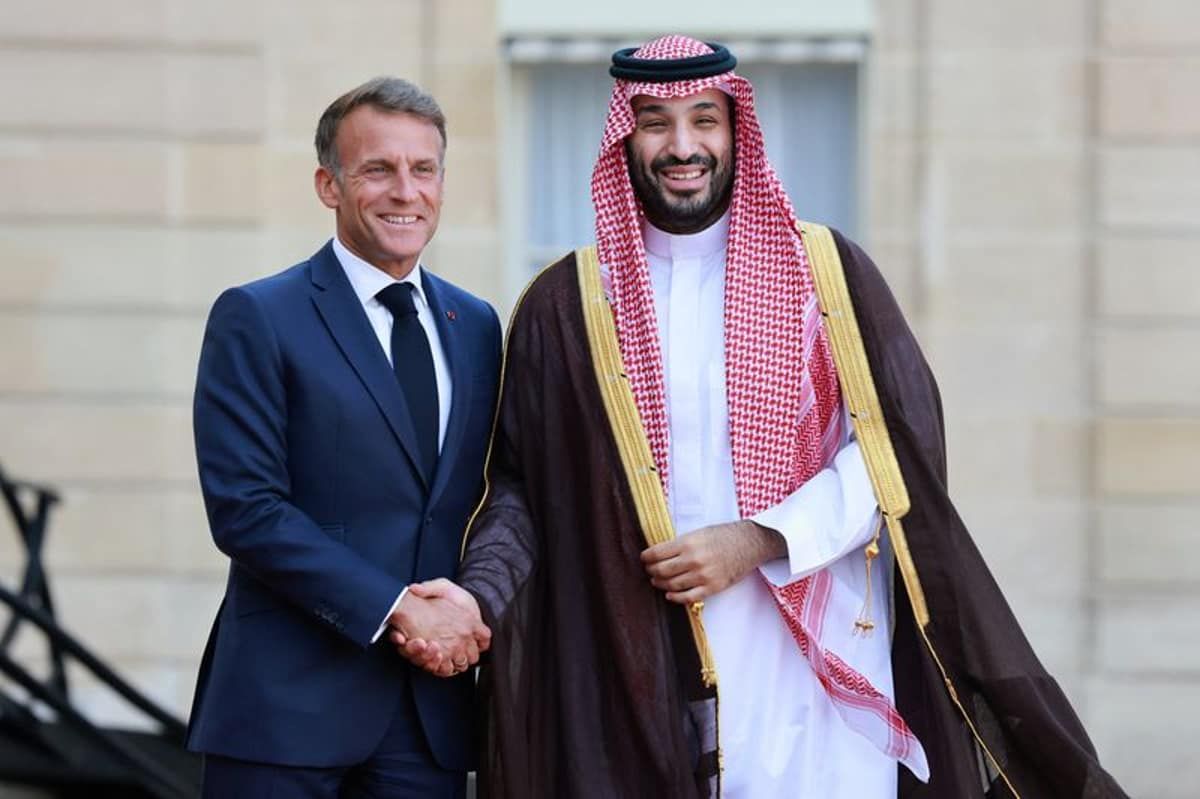
Image: globalbankingandfinance.com
A €6 billion Dragon Ball Z project is planned northwest of Paris
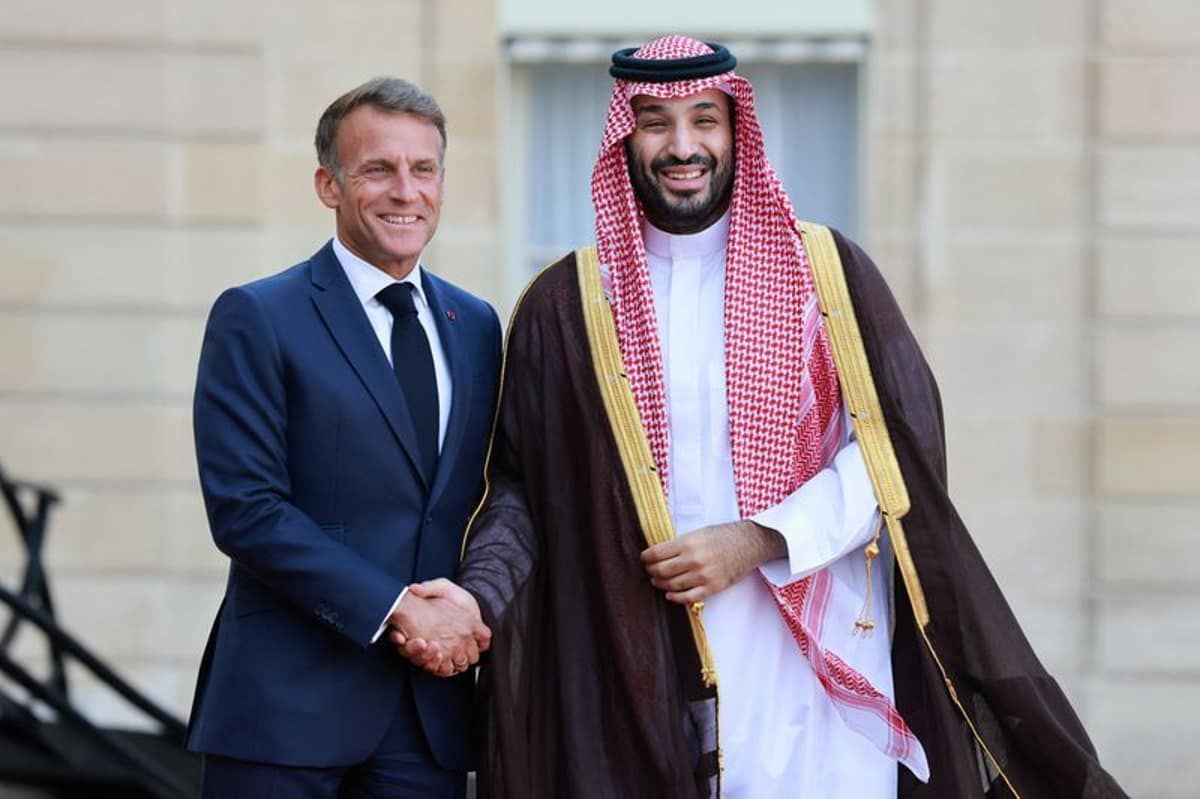
France and Saudi Arabia have agreed to develop a manga-themed amusement park inspired by Dragon Ball Z near Paris, a project the Élysée Palace announced during Saudi Crown Prince Mohammed bin Salman’s visit to France, according to reports from BBC, IGN, Polygon, Kotaku, MeriStation, and egamers.io. The reported budget is €6 billion, roughly $7 billion, and the site is described across the reports as northwest of Paris, near Cergy-Pontoise.
That is the concrete development. The tension is that a Dragon Ball Z theme park near Paris is arriving as part of a much larger geopolitical and entertainment investment pattern, not as a simple licensing curiosity for anime fans. BBC reports that three theme parks will be built near Paris as part of the €6 billion agreement, with the Dragon Ball-inspired manga park included in that development. Kotaku also reports that the Dragon Ball project is one of three parks planned for Cergy-Pontoise.
French President Emmanuel Macron framed the deal as a major investment win. Kotaku quotes Macron’s post on X: “You know my passion for manga,” followed by his pitch that the project would attract investment, create jobs, and make ambitious projects possible. BBC reports that Macron compared the scale of the plan to something France has not seen “since Disneyland Paris.”
For readers searching for the Dragon Ball theme park Paris plan, the important point is that the French park has been announced at the state level, but many operational details remain missing. The Élysée has not announced an opening date, and BBC says the parks are expected to open in stages while construction is expected to take years.
The origin story is unusually personal, but the structure is strategic
Multiple outlets, citing Reuters and the Élysée’s account, report that the idea grew out of a 2025 meeting between Macron and Mohammed bin Salman, when the two leaders discovered a shared enthusiasm for Akira Toriyama’s Dragon Ball franchise. BBC reports that advisers to the French president specifically described a shared passion for Japanese comics, “in particular Dragon Ball Z.”
That anecdote explains the public-facing hook, but it does not explain the scale. A multibillion-euro theme park outside Paris is a long-term infrastructure and tourism bet. It requires land, transport planning, licensing, construction, staffing, and years of capital discipline before visitors ever queue for an attraction. In strategy terms, this is less like announcing a one-off anime attraction and closer to placing a massive piece on the board beside Disneyland Paris, France’s existing global theme-park reference point.
The location also matters. BBC says the parks will be built near Cergy-Pontoise and notes that French media have suggested the project could use the site of the former Mirapolis park in Val-d’Oise, which closed 35 years ago. That possible site has not been confirmed in the supplied reports as the final location, so it should be treated as a local-reporting signal rather than a settled fact.
The project’s announced shape also appears broader than one Dragon Ball gate. BBC describes three parks under the €6 billion deal. Kotaku says the Dragon Ball park will be one of three theme parks in Cergy-Pontoise. The Dragon Ball brand is the headline draw, but the reported development is larger than a single anime park.
Qiddiya connects the France park to Saudi Arabia’s Riyadh project
The France Dragon Ball park is being tied directly to Qiddiya, the Saudi entertainment and investment group behind a separate Dragon Ball theme park already planned for Qiddiya City outside Riyadh. BBC identifies Qiddiya Investment Company as the project lead and says QIC is part of Saudi Arabia’s sovereign wealth fund. Polygon, IGN, MeriStation, and egamers.io all connect the French plan to Qiddiya’s existing Dragon Ball park project in Saudi Arabia.
That first Dragon Ball park was revealed in 2024 through the official Dragon Ball website, according to IGN. The Riyadh-area project is described by IGN as spanning more than 500,000 square meters, with seven recreations of series locations including Kame House, Capsule Corporation, and Beerus’s Planet. IGN reports that it is planned to include more than five rides, over 30 attractions, hotels, restaurants, and a 70-meter-tall Shenron statue. Polygon and egamers.io also describe the Saudi park as including more than five rides, 30 attractions, hotels, restaurants, and a 230-foot Shenron, which is the same approximate height expressed in feet.
There is no confirmed public opening date for the Saudi Dragon Ball park, and there is no confirmed opening date for the Paris-area project either. That creates a practical caveat for fans: the Riyadh park provides the clearest reference for ambition, but it does not guarantee the layout, ride count, or iconography of the Dragon Ball Z Paris park. MeriStation notes that specific details about the Paris park have not yet been revealed and says it could potentially follow the scale of its Saudi counterpart. “Potentially” is doing real work there.
From a franchise strategy perspective, Qiddiya’s involvement suggests an attempt to build Dragon Ball as a physical destination brand across multiple markets. The Saudi park is the first ledger entry, while the French site would be the second major Dragon Ball destination attached to the same investment group.
Funding reports agree on Saudi weight, but differ on who pays what
The funding picture needs careful wording because the reports do not all frame it the same way. BBC describes the project as a €6 billion deal agreed between France and Saudi Arabia and says it will be led by Qiddiya Investment Company. Polygon reports that the park will cost the two nations €6 billion and that the project will be financed by Qiddiya. egamers.io says France and Saudi Arabia will split the €6 billion cost, while also saying the money is coming from Qiddiya. MeriStation says the project will be fully funded by Qiddiya. Kotaku’s framing is even sharper, saying Saudi Arabia is paying $7 billion to build the park in France.
Those accounts align on the headline scale and on Qiddiya’s central role. They diverge on whether France is sharing direct cost, whether the deal is state-backed with Saudi project financing, or whether Qiddiya is carrying the funding burden inside a broader Franco-Saudi agreement. Without the Élysée contract language or Qiddiya’s financing documents in the supplied source material, the cleanest confirmed reading is this: France and Saudi Arabia announced a €6 billion agreement, and Qiddiya, a Saudi investment entity tied to the kingdom’s sovereign wealth ecosystem, is reported as the lead financier or project leader.
There is a second conflict around jobs. BBC reports that the Élysée said the deal would create about 2,000 jobs. IGN, MeriStation, and Kotaku report approximately 22,000 jobs. The supplied material does not resolve whether this is a typo, a difference between direct jobs and broader development impact, or a discrepancy between sources. Readers should treat the job total as unsettled until French or Saudi officials publish a clarified figure.
That ambiguity matters because job creation is one of the strongest public arguments for the Dragon Ball Saudi funding arrangement in France. If the figure is 2,000, the project is still significant. If it is 22,000, the economic pitch is dramatically larger. For now, both numbers are in circulation.
Saudi investment makes the park a cultural politics story
The Dragon Ball branding explains why anime and gaming outlets picked up the story. The Saudi funding explains why it is drawing attention far beyond fandom. Polygon, Kotaku, IGN, and egamers.io all place the park alongside Saudi Arabia’s expanding investments in sports, games, esports, and entertainment.
BBC reports that Saudi Arabia is trying to diversify its economy away from oil revenue, including through leisure and entertainment investment. Polygon and egamers.io describe Saudi Arabia’s push into sports and entertainment as a strategy critics call “sportswashing,” a term used for attempts to improve a country’s public image through major cultural and sporting investments. Kotaku frames the Dragon Ball park as the latest example of Saudi Arabia using sovereign wealth to insert itself into global culture.
The criticism is tied to Saudi Arabia’s human rights record. Polygon and egamers.io cite Saudi Arabia’s authoritarian system and human rights abuses, including capital punishment for nonviolent offenses, torture of prisoners, restrictions on free speech, poor conditions for migrant laborers, and anti-LGBTQ laws. The same reports also refer to accusations, based on reported CIA findings, that Mohammed bin Salman ordered the killing of Washington Post columnist Jamal Khashoggi. Kotaku refers to the same broader criticism in blunt terms while discussing the Crown Prince’s role in the announcement.
That context does not change the confirmed theme-park facts, but it changes the surrounding stakes. The Dragon Ball Z theme park is being announced in the same period that Saudi-backed entities are increasing their presence across games and competitive entertainment. IGN reports that Saudi Arabia’s Public Investment Fund completed a $55 billion acquisition of Electronic Arts as part of an investor group with Silver Lake and Affinity Partners. IGN also reports that Mohammed bin Salman’s Electronic Gaming Development Company raised its Capcom ownership to 10 percent and that Saudi-owned RTS took full ownership of Evo, the major fighting game tournament series. Polygon and Kotaku also cite the EA deal and Saudi Arabia’s earlier sports investments, including LIV Golf.
Seen through that pattern, the Dragon Ball theme park Paris project is a brand, tourism, diplomacy, and soft-power move at the same time.
Timing, access, and expectations remain open questions
For fans, the immediate practical answer is simple: there is no ticket to buy, no opening window to plan around, and no confirmed attraction list for the Paris-area Dragon Ball park. BBC says no opening date has been set by the Élysée, the parks will open in stages, and construction is expected to take years. IGN similarly reports that construction is predicted to take several years and that no public opening date has been announced.
The comparison point is Qiddiya City, but even that park lacks a public opening date in the supplied reports. The Riyadh-area park’s announced features give a sense of Qiddiya’s ambition, especially the planned large-scale recreations and Shenron centerpiece, yet Paris could end up with a different footprint, attraction mix, or phasing strategy.
There is also a broader events context. BBC reports that Macron hosted Mohammed bin Salman at the closing of the Esports World Cup, which had been due to take place in Riyadh but moved to Paris because of safety concerns over conflict in the Middle East. IGN and MeriStation also connect the announcement period to the Esports World Cup’s relocation to Paris. That timing reinforces the larger France-Saudi cultural alignment around esports, anime, and destination entertainment.
For now, the safest expectation is patience. The Dragon Ball Z theme park near Paris is a real announced project at the state level, with a reported €6 billion agreement and Qiddiya at its center. The unanswered questions are the ones that determine whether it becomes a landmark attraction or a long-running development headline: final site, financing structure, job-count clarity, construction schedule, attraction lineup, licensing scope, and how French audiences respond to a beloved Japanese franchise arriving through Saudi-backed capital.