
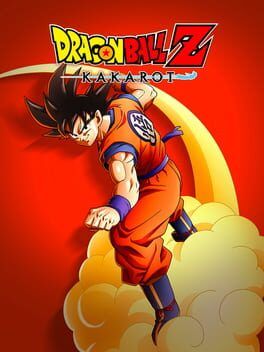

With DAIMA: Adventure Through The Demon Realm, Dragon Ball Z: Kakarot is riding fresh anime hype right as it crosses 10 million copies. Here’s how the Daima DLC is structured, what it adds, and why Kakarot has become one of the most durable anime action RPGs across two console generations.
Dragon Ball Z: Kakarot was never positioned as the next big live service platform, yet five years on from launch it quietly joined an elite club. Bandai Namco and CyberConnect2 have confirmed that Kakarot has now sold more than 10 million copies worldwide across all platforms, putting it in the same sales conversation as Dragon Ball FighterZ and some of Bandai Namco’s biggest anime tie ins.
That milestone arrives just as Kakarot is folding in one of the newest corners of the Dragon Ball universe. The latest expansion, DAIMA: Adventure Through The Demon Realm, pulls Goku into the world of the Dragon Ball Daima anime and gives the action RPG a surprisingly fresh identity this late in its life.
A 10 million seller that just keeps going
According to Bandai Namco and multiple sales reports, Dragon Ball Z: Kakarot has now surpassed 10 million copies sold worldwide across PlayStation, Xbox, Switch and PC. That figure includes both digital and physical copies and has been helped by multiple re releases: the current gen upgrade on PS5 and Xbox Series X|S, the Kakarot + A New Power Awakens Set on Switch and various complete editions bundling earlier DLC.
What makes the 10 million mark stand out is the way Kakarot has climbed to it. The game launched in early 2020 with strong but not record breaking numbers, then slowly accumulated sales through discounts, platform launches and a steady cadence of expansions based on fan favorite arcs like Battle of Gods and Future Trunks. The Daima DLC arrives as the fourth major post launch story era and shows that Bandai Namco sees Kakarot less as a one off adaptation and more as an expandable Dragon Ball hub.
What DAIMA: Adventure Through The Demon Realm actually is
DAIMA: Adventure Through The Demon Realm is presented as a full additional story pack set in the continuity of the Dragon Ball Daima anime. Rather than another retelling of classic Z material, this DLC adapts the mini Goku era and sends him and a new cast into the Demon Realm.
Bandai Namco sells the Daima content as a single pack that is split into two story parts. Part 1 released in July 2025, while Part 2 is scheduled to land on January 15, 2026, with the full pack guaranteed to be available by the end of February 2026 across PlayStation, Xbox, Switch and PC.
In gameplay terms Daima functions like a self contained campaign inside Kakarot. You control Goku in his child like Daima form, joined by anime newcomers Glorio, Shin and Panzy as party members. The party ventures through Demon Realm fields and dungeons that have been built to mirror the Daima anime’s backgrounds rather than reusing Earth maps from the base game. That gives exploration a different tone and layout, closer to a side story RPG than a bolt on episode.
Combat leans into Goku’s Power Pole, which becomes central to his moveset in Daima. New Pole techniques extend standard combos and work as gap closers and crowd control tools, reinforcing the more agile, scrappy feel of mini Goku compared to adult Goku’s usual beam heavy kit. The DLC also introduces a Medi Bug mechanic that can be triggered for various temporary buffs or effects in battle, plus a heavier emphasis on ally support from characters like Panzy to layer extra strategy on top of Kakarot’s familiar arena brawls.
Beyond the headline mechanics the pack throws in several bonus items such as Ultimate Meat Feast, Mega Sacred Water, Purple Dino Horn and Awakening Water, which act as useful progression boosts whether you tackle Daima mid playthrough or drop into it after clearing the main story.
How the Daima DLC is structured
Kakarot’s earlier expansions tended to bolt new arcs on to the edge of the existing timeline. Daima is more segmented and behaves more like a dedicated mini campaign, which helps sell it as a fresh start for returning players.
Part 1 establishes the party and the Demon Realm itself. Mini Goku, Glorio, Shin and Panzy set out in search of the Demon Realm’s Dragon Balls, with new overworld zones and scripted encounters that introduce the DLC’s enemies and mechanics. Exploration is more confined and focused than Kakarot’s sprawling Earth maps, which gives Daima’s areas a denser feel with side objectives and combat pockets arranged around narrative beats.
Part 2 is positioned as the escalation and payoff. Bandai Namco has shown battles against tougher Demon Realm bosses and teased more elaborate arena layouts and enemy patterns designed around the Power Pole’s extended reach. Trailers highlight multi stage fights and ally assist sequences, implying that Part 2 is where the DLC leans hardest into spectacle and late game challenge.
Both parts are wrapped in a presentation that aims to closely follow the Daima anime, from cutscene framing to the color palette of the Demon Realm. That makes the DLC as much a cross promotion as it is an extra chapter, but for Kakarot it also delivers something the base game could not offer in 2020: a Dragon Ball story that is new to games and anime fans at the same time.
Why Kakarot has had such long legs
Reaching 10 million copies several years after launch is rarefied air for a licensed action RPG. Kakarot has managed it by quietly ticking several boxes that most anime tie ins miss.
First, it offers a complete, approachable retelling of Dragon Ball Z with a structure that works for newcomers who only know the broad beats and veterans who can recite every saga. Story arcs are broken into digestible episodes with side activities like fishing, driving and simple fetch quests that reinforce the fantasy of living in the Dragon Ball world rather than just reenacting fights. That lifestyle layer gives people reasons to stay in the game between boss battles and contributes to strong word of mouth for casual fans.
Second, CyberConnect2’s combat sits in a sweet spot between spectacle fighter and RPG. It is flashy enough that even basic encounters look like anime episodes, but the underlying systems are simple enough for players who do not regularly touch fighting games. Leveling, skill trees and party composition give fans mild build tinkering without drifting into stat crunch territory. That accessibility has helped Kakarot appeal across age groups and across platforms, particularly on Switch where local portable play fits the grind of side quests and training.
Third, Bandai Namco has treated Kakarot like a long term platform without demanding live service style engagement. The DLC rollout has been slow but steady, with each major pack tied to a specific era or theme rather than piecemeal character drops. From A New Power Awakens’ movie arcs to Trunks The Warrior of Hope and now Daima’s Demon Realm, every expansion arrives as a reason to reinstall the game, catch up on a new slice of Dragon Ball and then step away until the next one. That respectful cadence has helped prevent burnout and kept goodwill high.
Cross generational support has been another quiet factor behind the 10 million. Kakarot launched on PS4 and Xbox One in 2020, then arrived on Switch in 2021 and received dedicated PS5 and Xbox Series X|S upgrades later on. Each hardware generation has its own anchor Dragon Ball title, but Kakarot is one of the few that has followed players from last gen to current without abandoning earlier platforms, which broadens its total reach.
Finally, the timing of Daima cements Kakarot as a bridge between Dragon Ball’s past and future. With the base game already covering the classic Z storyline in exhaustive detail, new anime projects risk making older adaptations feel redundant. By folding the Daima Demon Realm adventure directly into Kakarot, Bandai Namco turns that potential redundancy into a strength. Existing owners now have a reason to revisit the game alongside the new show, while newcomers curious about Daima can pick up a Daima Edition that includes both the foundational Z saga and the latest anime storyline in one package.
Kakarot as a long term Dragon Ball platform
At 10 million copies sold Kakarot is no longer just a successful one off retelling of Dragon Ball Z. With DAIMA: Adventure Through The Demon Realm extending the game into brand new anime territory, it now functions as a kind of playable archive and companion piece to the franchise at large.
Whether Bandai Namco and CyberConnect2 continue to bolt more stories onto Kakarot or eventually move on to a full sequel, the shape of the game today explains its longevity. It is approachable, complete, regularly refreshed with substantial expansions and present on every relevant platform. The Daima DLC arrives right as those qualities are being rewarded with a new sales milestone, turning a quiet 10 million into a statement about how to build an enduring anime action RPG across console generations.