

A deep preview of Dragon Ball Xenoverse 3, breaking down its Age 1000 setting, new soul‑switch gameplay, character progression changes, and how Bandai Namco plans to chase another 10‑year lifecycle after Xenoverse 2.
A New Future For Time Patrollers
Dragon Ball Xenoverse 3 is in a strange spot. It follows a sequel that has basically lived forever, with Xenoverse 2 still getting DLC nearly 10 years after launch, and it has to justify rebooting a live service style ecosystem that never really died. Bandai Namco and Dimps are not throwing everything out, but they are using a new timeline and some smart mechanical twists to try to make this feel more than just “Xenoverse 2, again.”
Age 1000 is the fulcrum of that pitch. Set centuries after the events of Z, Super, and GT, the game uses the distant future to step out of the canon’s shadow while still leaning on all of the fan‑favorite fights you would expect from a Xenoverse game. The difference this time is that your created hero is not a silent background cop for history. You are part of a new squad of time‑hopping defenders whose powers are literally tied to the souls of legends.
Age 1000: Toriyama’s Last Big Time Jump
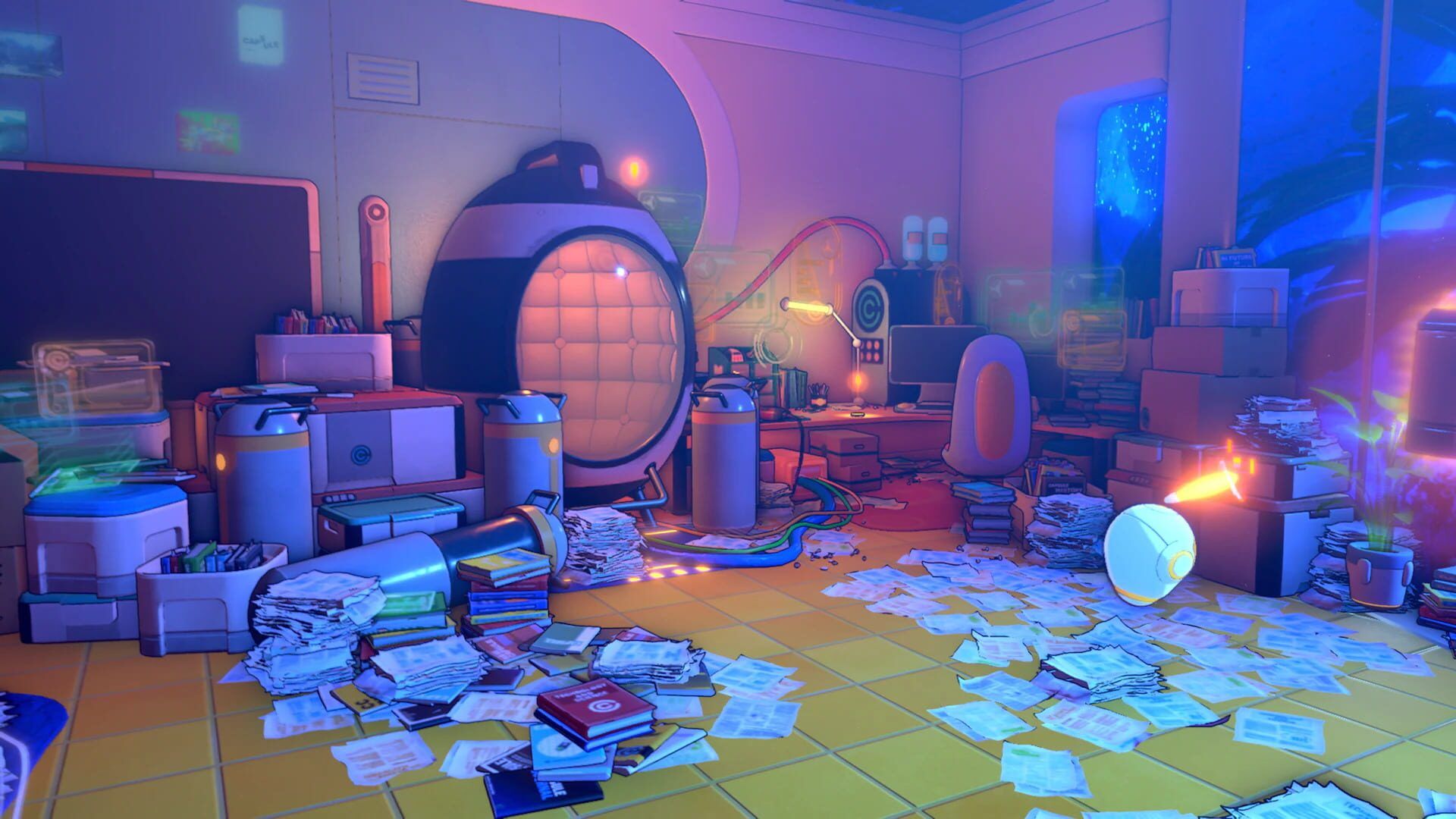
Bandai Namco has described Age 1000 as a direct continuation of ideas laid down in Dragon Ball Online and in concept art that Akira Toriyama sketched before his passing. West City has grown into a sprawling techno‑metropolis that looks closer to a sci‑fi hub than the sleepy Capsule Corp campus we know. You live in that city as a rookie member of the Great Saiyan Squad, a new generation of justice geeks who idolize the myths of Goku and his friends.
The key narrative trick is that the classic Dragon Ball story is already ancient history in Age 1000. Kids grow up wearing Goku merch and watching dramatized retellings of the Cell Games on giant AR billboards. That distance gives Dimps license to reinterpret known arcs as in‑universe myths. When time distortions hit, you are fighting through versions of Raditz or Broly that have been warped not just by villains, but by bad historical memory.
That premise bends the usual Xenoverse structure in some interesting ways. Patrol missions are framed less like “fix the time stream” and more like investigative excursions where you piece together what really happened. Some battles layer in surreal details, like alternate versions of famous arenas built from conflicting memories. It is a clever way to revisit the greatest hits without feeling like the same tour you have taken since 2015.
Soul Switching: Tag Team Combat With A Narrative Hook
The most immediate mechanical shift in Xenoverse 3 is the new soul switch system. Instead of locking you to one created fighter per mission, you take a small squad into story episodes and can swap between them in real time, similar to how modern action RPGs let you flip between party members.
In practice, it plays like a fusion of the old partner assist system and a character action tag fighter. You might open with a fast melee‑focused Saiyan, build up meter, then instantly warp into your Namekian tank to soak a super attack and counter with a grab. Switches are near‑instant and carry momentum, so if you vanish behind an enemy as one character and tag at the same time, the incoming fighter can continue the combo. That flow is the key reason previews have been comparing the game to something like God of War’s more grounded, weighty combat instead of a pure arena brawler.
Soul switches are not just a control gimmick. In the fiction, your squad members are literally channeling the "souls" or echoes of iconic warriors. That is how Dimps justifies giving your rookie heroes access to ridiculous techniques early while still letting stats and mastery grow slowly. Specific switches can also trigger unique dual techniques, like a synchronized beam clash that only unlocks once both characters have bonded enough in the story.
Bandai Namco is clearly betting that this system will freshen up multiplayer too. Co‑op missions can mix live players and AI squad members, and raids are being reimagined so that multi‑phase bosses respond to which souls are on the field. It is an evolution of the parallel quest formula that could have genuine mechanical depth if the studio keeps tuning hit reactions and enemy AI.
Character Progression: Fewer Stats, More Identity
Xenoverse 2’s progression was deep but often messy, with stat points, QQ Bangs, mentor skills, transformations, and RNG‑heavy loot tables all piled on top of each other. In early briefings for Xenoverse 3, Bandai Namco has emphasized a “cleaner” RPG layer. There are still numbers to chase, but the focus is on clear build identities instead of spreadsheet optimization.
Created characters still choose from the familiar seven races, and racial differences matter more in how your toolkit evolves than in raw stat spreads. For example, Saiyans are better at chaining ground‑to‑air combos and have earlier access to transformation trees, while Namekians lean into grapples, guard breaks, and team support options. Earthlings and Majin characters get better scaling on utility skills that manipulate aggro or meter.
Skill acquisition is moving away from pure RNG drops. Story progression, mentor bonds, and Age 1000 side stories unlock curated movesets that then branch into variants. You might unlock a basic Kamehameha early, then choose whether to evolve it into a faster, combo‑friendly version or a heavy beam with armor. This branching also feeds into the new soul switch mechanic, since some variants gain extra properties when used as the opener or closer for a switch.
Cosmetic customization looks even more indulgent than Xenoverse 2, which is not surprising given how much that game leaned on outfits for monetization. The difference is that gear is being decoupled from raw stats, with most of the meaningful progression tied to a smaller set of upgradeable core items and soul‑linked enhancements. That should make it easier to actually dress your Time Patroller the way you want without feeling like you are throwing away power.
West City As A Living Hub
Age 1000’s West City is more than a menu with NPCs. The hub is a layered, vertical space that blends slice‑of‑life Dragon Ball flavor with modern social design. Capsule Corp towers over a dense downtown full of shops, training dojos, arcades, and public event plazas. Side alleys hide goofy micro‑stories about fans arguing over which version of the Saiyan saga is “canon.”
Bandai Namco has been talking about the hub as an ongoing platform. Seasonal events are planned to visibly change the city, from festival decorations inspired by classic arcs to new districts opening up as story updates roll out. There is a clear attempt to recreate the sense of logging into Xenoverse 2 and seeing a crowd of other players, but with more environmental storytelling and activities than just queuing for quests.
The social focus fits with the publisher’s long‑term goals. They want West City to be a familiar home base for years, the way Conton City stuck around for a decade. Time will tell whether that level of stickiness is achievable on new consoles with a fanbase that has already sunk hundreds of hours into the previous hub.
Chasing Another 10‑Year Run
Xenoverse 2 is the quiet benchmark hanging over everything. It launched in 2016 and is only now approaching its sunset, with Bandai Namco confirming that the Future Saga Chapter 4 DLC, due in 2026, will close the book on that era. Support meant new characters, costumes, raids, balance patches, and even crossovers with newer anime material. For many players, Xenoverse 2 became less a sequel and more the default Dragon Ball action MMO‑lite.
Bandai Namco is already framing Xenoverse 3 as a similar long‑haul project. The initial release is positioned as a foundation, not a complete encyclopedia. The Age 1000 storyline is being described as a multi‑chapter saga that will expand over “years,” with plans for new patrol eras, squad members, and what sound like large narrative expansions rather than tiny mission packs.
Crucially, the team appears to have learned that players are more engaged by coherent arcs than by random character drops. Future DLC is being outlined as themed seasons that drill deep into specific distortions, such as an entire year of content around a corrupted Tournament of Power or a what‑if spin on Dragon Ball Online’s old villain factions. Xenoverse 2 dabbled in that approach late in its life, but Xenoverse 3 seems built around it from day one.
There is also a technical angle to the 10‑year promise. Limiting the game to current‑gen consoles and PC gives Dimps more headroom for large‑scale battles, improved destruction, and more persistent hub spaces without having to design around decade‑old hardware. If they truly want this to last to 2036, they will need that overhead.
Balancing Familiarity And Reinvention
The catch in the early marketing is that, moment to moment, Xenoverse 3 still looks a lot like Xenoverse 2. You are flying, locking on, firing ki blasts, and juggling enemies in the air. For longtime fans, that continuity is comforting. For anyone hoping for a radical reinvention, it could feel conservative.
That is where the details matter. If soul switches truly deepen the combo game, if progression really pushes you to commit to expressive builds instead of chasing marginal stat gains, and if Age 1000 delivers on its potential as a reflective, slightly melancholic coda to Toriyama’s universe, then Xenoverse 3 can earn its place as the new live platform.
Bandai Namco is very openly chasing another decade of support. The question is whether players who have lived in Conton City for almost as long are ready to pack up and move to West City. Based on what we have seen of Age 1000, there is at least a compelling future waiting there.
Outlook
As a preview, Dragon Ball Xenoverse 3 feels more evolutionary than revolutionary, but it also seems more intentional about what it wants to be. Age 1000 gives it room to honor the past without being trapped by it. The soul switch system nudges combat toward more thoughtful, team‑focused play, while a less cluttered progression model targets the grind fatigue that eventually set in with Xenoverse 2.
If Bandai Namco follows through on its long‑term support roadmap, Xenoverse 3 could easily become the next decade’s default Dragon Ball action RPG. The pieces are there. Now it is a question of execution, balance, and whether Dimps can keep Age 1000 evolving fast enough to keep Time Patrollers from drifting back through the time rift to their old home.