
Former Nintendo of America president Doug Bowser deleted an AI-generated Thanksgiving image, then apologized on X while calling critics “haters.” The reaction shows why generative AI remains a sensitive flashpoint in gaming culture.
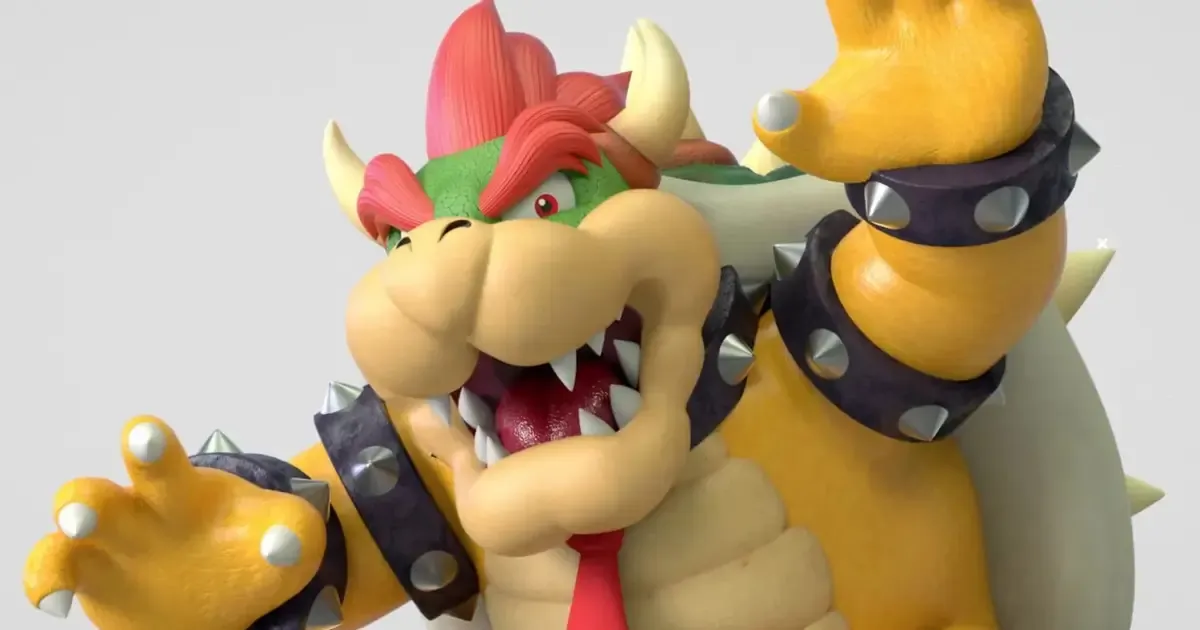
Image: happeningnow.news
Doug Bowser deleted the AI Thanksgiving image, then reignited the argument
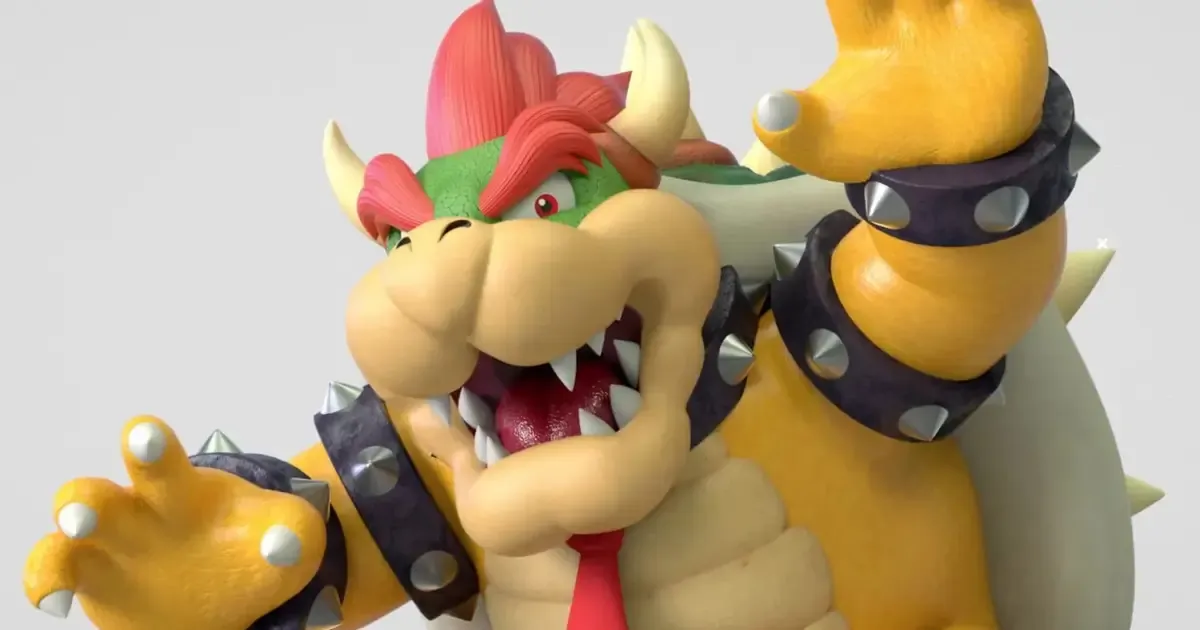
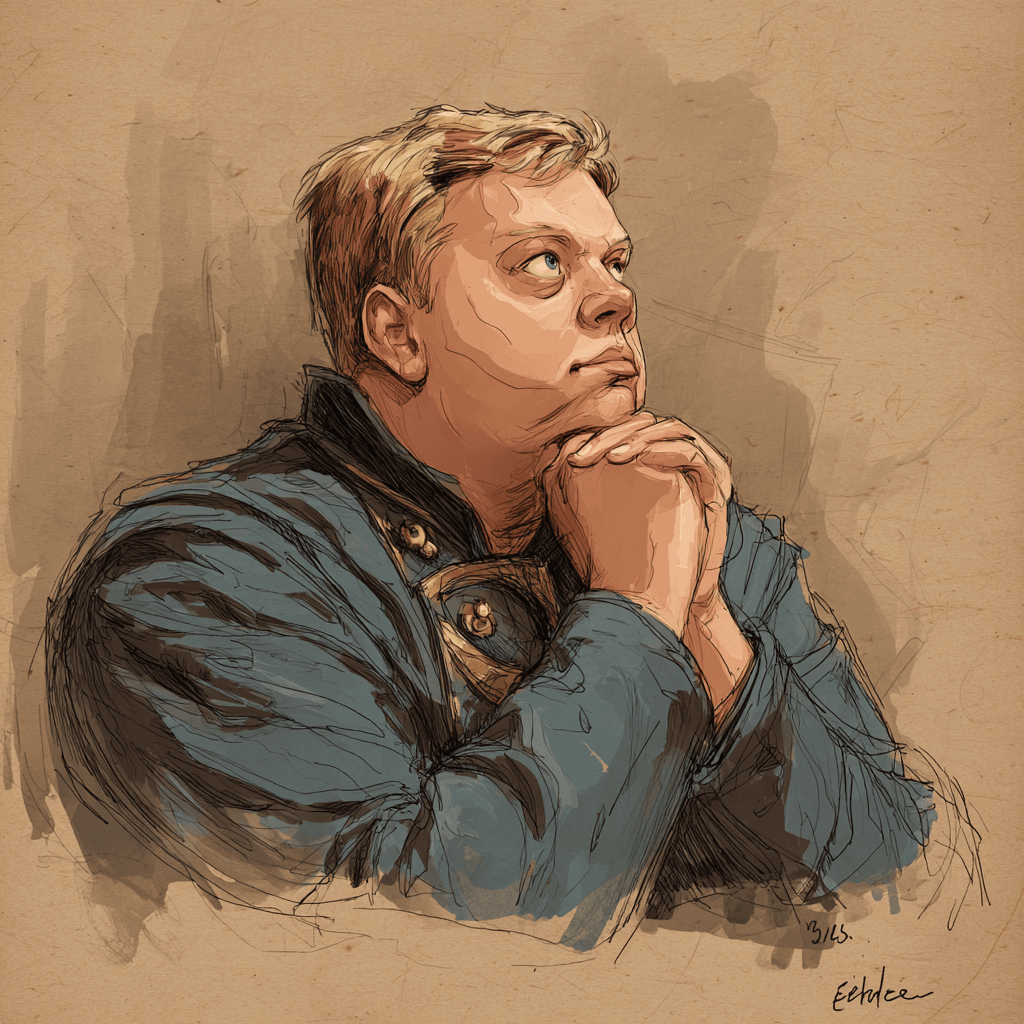
Former Nintendo of America president Doug Bowser removed an AI-generated Thanksgiving post after criticism from social media users, then issued a follow-up message on X that kept the controversy alive rather than closing it. According to Nintendo Life and My Nintendo News, the original image showed Bowser seated at a Thanksgiving dinner table alongside AI-rendered versions of Bowser and Donkey Kong, with the greeting “Happy Thanksgiving 2026!”
Bowser’s explanation on X was brief and direct: “Apologies if I offended people with my AI generated post. It was sent to me by a friend and it made me smile. For the haters out there the message remains the same - I wish you a Happy Thanksgiving.” The X listing for the post showed 1.1 million views at the time captured in the provided source material, a sign that a seasonal greeting from a retired executive had traveled well beyond its intended holiday register.
The confirmed sequence is limited but clear. Bowser posted an AI-generated Thanksgiving image, users criticized it, he deleted the image, and he posted an apology that identified the image as AI-generated. What remains unannounced is whether there is any further response from Bowser, any formal comment from Nintendo of America, or any broader policy implication. The available sources do not report corporate action, and Bowser is identified throughout as the former Nintendo of America president, not the current head of the company’s American business.
The image drew fire because it looked artificial and used Nintendo icons
The controversy was not simply that an image-generation tool had been used. Nintendo Life described several visual tells in the picture, including an odd cloak on the AI version of Bowser, a crown that did not make physical sense, a distorted hand on Doug Bowser’s shoulder, and a poor rendering of Donkey Kong’s tie. My Nintendo News similarly reported that users were quick to identify the image as AI-generated.
That matters because the post used two of Nintendo’s most recognizable characters in a personal holiday greeting from someone closely associated with the company. Bowser’s surname has long made him an unusually meme-ready executive, and the pairing of Doug Bowser with the character Bowser is exactly the kind of image Nintendo fans have seen used in official and semi-official contexts before. Nintendo Life’s criticism leaned on that expectation, arguing that a former Nintendo of America president likely had access to human-made or professionally edited images involving these characters.
There is a key distinction for readers searching for a “Nintendo AI Thanksgiving post.” The sources do not say Nintendo of America posted the AI image. They say Doug Bowser, the former president of Nintendo of America, did. Nintendo Life also noted that current Nintendo of America president Devon Pritchard did not post an AI Thanksgiving message, and that Nintendo of America’s own Thanksgiving social post was separate. The backlash attached to Nintendo’s cultural gravity, but the confirmed post came from Bowser’s personal account.
The apology solved the factual question and sharpened the tone problem
Bowser’s follow-up answered one practical question: the image was AI-generated. It also gave a reason for the post, with Bowser saying it had been sent by a friend and made him smile. That context makes the incident smaller than a coordinated marketing campaign, but it does not erase why the response landed poorly with some fans.
The contested part of the Doug Bowser apology was the phrasing. “Apologies if I offended people” is a conditional apology, and the added reference to “the haters” framed at least some criticism as hostility rather than concern. Nintendo Life characterized that wording as out of touch, while My Nintendo News reported that Bowser said his Thanksgiving wishes remained unchanged, including for “the haters.” The source material also includes visible X replies criticizing the post, including one telling him to “do better” and another accusing him of not understanding the issue with generative AI.
From a strategy perspective, the message tried to defend intent while conceding execution. That is a common public-figure move, but it is risky in a community already primed to treat generative AI as a values test. Bowser did not say he made the image, did not name a tool, and did not describe any commercial purpose. Still, by calling it “my AI generated post,” he accepted the label that critics were applying to it. The apology confirmed the core complaint while leaving the emotional dispute unresolved.
Games culture is especially sensitive to generative AI because art is the product
The wider generative AI gaming controversy around Bowser’s post comes from a tension the sources show in miniature: some players see AI images as disposable fun, while others see them as disrespectful to artists and the craft that defines games. The Nintendo Life comment excerpt in the source material includes one user saying they refuse AI use for art, photos, and videos, and another saying AI is the future and calling critics out of touch. That split is the active battlefield.
This is where gaming differs from many ordinary holiday-card disputes. In games, character design, animation, illustration, key art, promotional imagery, and brand tone are central to how audiences form trust. When a former executive tied to one of the most art-forward companies in the medium shares a flawed AI image of beloved characters, the audience is not evaluating it as a random meme. It is being read against decades of human-made character work and against anxieties about whether generative systems will replace, devalue, or imitate that work.
The provided sources do not establish that Bowser intended to make a statement about AI, or that Nintendo has changed its approach to generative tools. The reaction instead shows how little intent may matter once an AI artifact enters games culture. Poor hands, strange costumes, and mushy brand likenesses are now treated as signals. For a public figure, the question becomes less “did this make me smile?” and more “what does sharing this say about the labor and taste behind the medium I represent?”
Nintendo’s association raises the stakes even when the company is not the actor
Bowser no longer being Nintendo of America president is central to the facts, but it does not fully detach the post from Nintendo in the eyes of fans. Both Nintendo Life and My Nintendo News identify him by that former role because that is why the post drew attention. A holiday greeting from an ordinary account would likely have vanished into the feed. A holiday greeting from the former face of Nintendo of America, featuring AI versions of Bowser and Donkey Kong, carried a different weight.
Nintendo’s brand has historically depended on polish, character consistency, and careful presentation. The source material does not ask us to infer any official Nintendo policy from the post, and readers should not do that. Still, the contrast noted by Nintendo Life between Bowser’s deleted AI image and Nintendo of America’s own Thanksgiving post is important. It suggests the corporate account avoided the specific problem that turned Bowser’s personal greeting into a story.
There is also a reputational timing issue. Generative AI in games culture is not a neutral tool category for many fans. Even a low-stakes social image can be interpreted as a signal of where an industry figure stands. Bowser’s message attempted to keep the focus on Thanksgiving goodwill, but the imagery pulled the conversation toward authenticity, artists, and whether recognizable game characters should be filtered through systems that produce visibly broken results.
The practical lesson for gaming figures is about risk, not only taste
For readers looking for a concrete consequence, the available reporting does not show one beyond deletion of the image, public backlash, and Bowser’s follow-up post. There is no reported Nintendo statement in the provided material, no platform action, no sponsorship change, and no policy announcement. This remains a social media controversy centered on a former executive’s personal account.
The forward-looking lesson is still useful. If an executive, creator, or community manager shares generative AI content involving beloved game characters, the audience will likely inspect the image for artifacts, ask why a human artist was not used, and judge the tone of any response as closely as the original post. In that environment, the safest communications play is boring but effective: disclose clearly, avoid using protected or beloved imagery casually, do not minimize criticism as hate, and replace flawed AI material with something human-made when the message is supposed to feel personal.
Bowser’s Thanksgiving wish was simple. The post around it was strategically messy. The Doug Bowser AI post became controversial because it combined visibly artificial character imagery, Nintendo-adjacent identity, and an apology that acknowledged offense while needling critics. That combination is exactly why generative AI remains volatile in games culture. The technology can produce an image in seconds, but the social cost of using it around communities built on art, craft, and character memory can last far longer than the post itself.