
Double Fine’s new union is the latest in a growing labor wave inside Microsoft’s game division. Here is how it fits into the wider Xbox union landscape, and what it could mean for development culture, production stability, and talent retention at story-first studios.
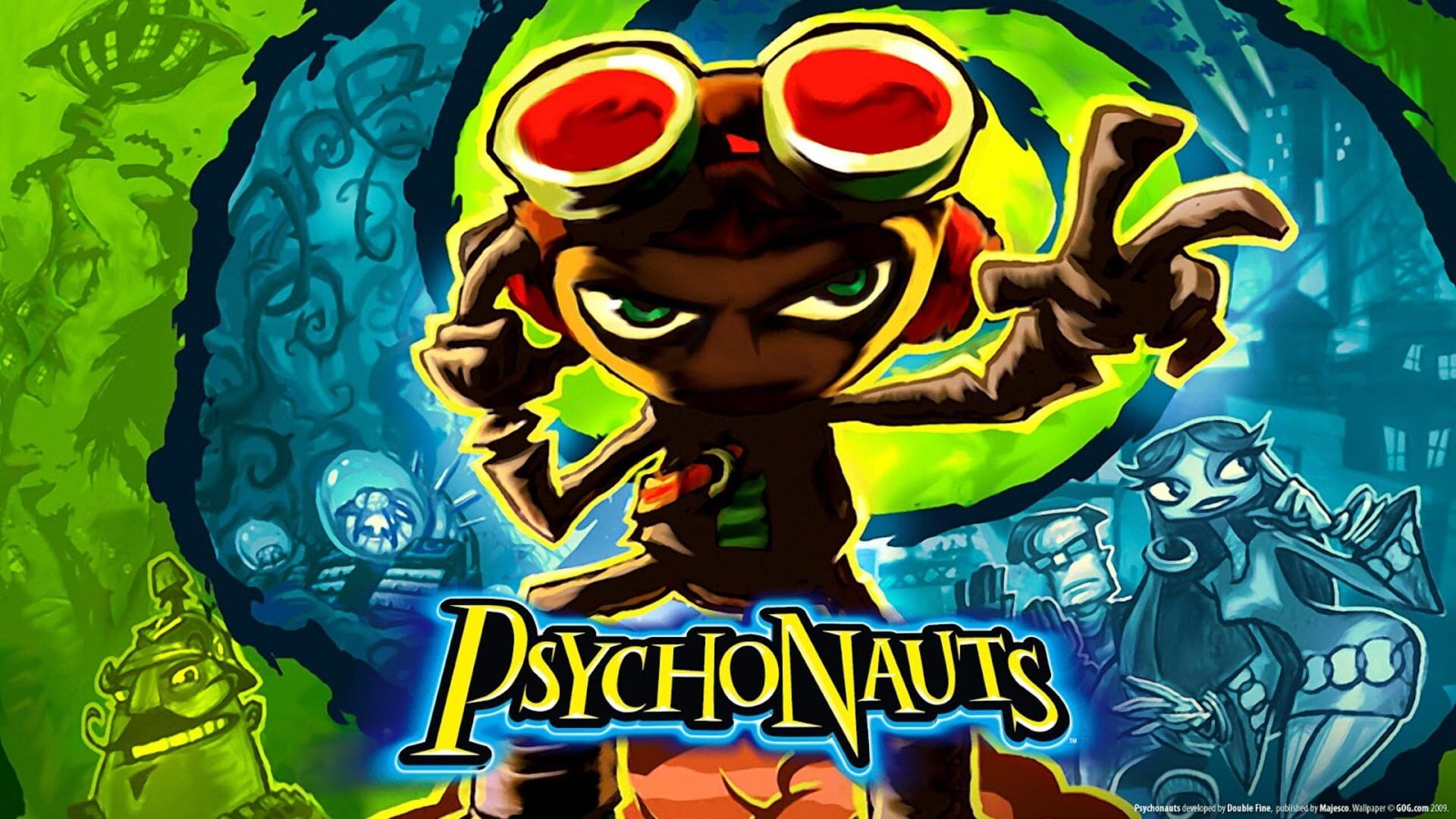
Double Fine Productions, the studio behind Psychonauts and its cult following of brain-diving platforming fans, has become the latest Microsoft-owned team to unionize. All 42 regular full-time and part-time employees have filed a petition with the US National Labor Relations Board, organizing with the Communications Workers of America. They are also seeking voluntary recognition from Microsoft, which has publicly committed to neutrality around organizing.
For a studio that has long marketed itself on creative weirdness, narrative experimentation, and a collaborative culture, the move is more than a procedural labor step. It is a signal flare for how story-driven teams inside large publishers are trying to protect their identity and stability in an industry marked by layoffs and aggressive cost-cutting.
How Double Fine’s union fits into Microsoft’s growing labor map
Double Fine’s filing does not exist in a vacuum. It joins a chain of Microsoft-adjacent unions that includes ZeniMax QA workers, several Activision Blizzard teams, and groups at Raven Software and Blizzard Albany. All of these efforts have been supported by the same union umbrella, the Communications Workers of America, and all have been covered by Microsoft’s stated “labor neutrality” approach.
The pattern taking shape is that Xbox Game Studios is becoming one of the primary testbeds for organized labor inside a major game platform holder. Early unions were concentrated in QA, traditionally the most precarious role in development. Double Fine breaks that pattern by bringing essentially an entire studio, across disciplines, under a single bargaining unit.
This is important because it expands unionization from a defensive posture around low pay and instability into a broader, studio-wide attempt to lock in cultural values. The stated goals from organizers are not only about wages or layoffs, but about preserving creative excellence, diversity and inclusion, and worker quality of life. In other words, they want the contract itself to be an extension of the studio’s long-running ethos.
What a union could change in Double Fine’s development culture
Double Fine has always been known for personality-driven games, writerly humor, and strong authorial voices. From the original Psychonauts to Psychonauts 2 and experimental projects like Broken Age, the studio’s brand leans heavily on creative risk. The risk for any studio absorbed by a platform holder is that uniqueness gets eroded by standardization, aggressive milestone pressure, and shifting portfolio strategies.
Unionization gives developers formal tools to resist that erosion. A collective bargaining agreement can specify protections around crunch, reasonable scheduling, and clear processes for feedback and dispute resolution. That in turn can change how creative decisions are made. When teams are less afraid of burnout, surprise layoffs, or sudden shifts in scope, they have more space to commit to ambitious narrative arcs and stranger ideas.
For a game like Psychonauts, where character moments, writing, and level concepts live or die on iteration time, that matters. Tighter protections against unsustainable overtime let writers, designers, animators, and programmers push back when production demands clash with quality. Not every fight will go the union’s way, but the conversation becomes structured instead of ad hoc and personality-driven.
The union also becomes a way to codify Double Fine’s reputation for inclusivity. Its games have long centered unusual perspectives and emotional themes, and staff have cited diversity and inclusion as a pillar they want clearly supported. Contract language around non-discrimination, harassment procedures, and equitable advancement can lock in expectations so they survive leadership changes or business pivots.
Production stability in a volatile Xbox release pipeline
Across the broader Xbox ecosystem, the last few years have been defined by a tension between massive acquisition spending and highly uneven output. Big flagship releases have jostled with delays, restructurings, and high-profile cancellations, and 2023 and 2024 have brought significant layoffs across Microsoft’s game division.
In that context, unionization at a mid-sized, narrative-focused studio like Double Fine is partly about insulating teams from the whiplash of shifting corporate priorities. Unions cannot make a studio layoff-proof, but they can secure severance standards, transparent criteria for cuts, and required consultation before large structural changes.
For production, this can create a more predictable runway. If staff trust that milestones will not be used as a blunt instrument for surprise downsizing, they can plan long-term. Producers can scope with a more realistic sense of what the team will look like in a year. Programmers and artists can commit to systems that only pay off late in development without wondering if the project will lose half its staff before then.
This kind of stability is especially vital for narrative-heavy games, which depend on long preproduction cycles, careful pacing, and late-game polish. Psychonauts 2’s acclaim rested heavily on its writing, performances, and thematic cohesion. That level of narrative craft typically requires the same writers, directors, and core designers to see the project through from early concept to final script. Stronger job protections and clear processes make that continuity more achievable.
Talent retention at story-first and auteur-driven studios
The last few years have seen a rising migration of talent across the industry, with senior narrative designers and directors leaving established studios to chase better conditions at independents, start their own outfits, or step away from games entirely. High-profile layoffs accelerate that churn and send a clear signal to mid-career creators about the risk of staying tied to a single corporate publisher.
For Double Fine, unionization is a counter-signal. It advertises to prospective hires that the studio is willing to share power structurally, not only culturally. For writers who care about being able to take creative risks without burning themselves out, or for designers who have lived through multiple crunch cycles elsewhere, that matters as much as salary or platform backing.
This matters for Xbox’s portfolio as well. Microsoft’s first-party lineup has often leaned on service-heavy and systems-first games, but it has also benefited from distinctive narrative voices. Psychonauts, Pentiment, Hellblade, and other story-forward titles give the brand breadth and emotional range. If unionization helps those kinds of studios hold onto their best people and keep attracting new voices, it indirectly strengthens Xbox’s identity as a platform that supports more than just live service and competitive multiplayer.
Strong retention also supports mentorship and institutional memory. Longtime Double Fine staff carry knowledge about the studio’s comedy style, its narrative rhythms, and the informal rules of what makes a Double Fine game feel like itself. Union protections around layoffs and fair evaluation can keep those veterans in place long enough to train the next wave of creative leads.
A test case for full-studio unions under a major platform holder
Because Double Fine’s bargaining unit covers an entire small studio rather than a specific discipline like QA, its eventual contract will be closely watched across the industry. If the agreement ends up improving pay transparency, formalizing work-hour expectations, and protecting creative autonomy without torpedoing schedules or budgets, it will challenge the argument that unions are incompatible with fast-moving creative work.
This has knock-on implications for other Xbox studios, particularly narrative-centric or auteur-led teams that may feel culturally closer to Double Fine than to mega-franchises. If Double Fine secures meaningful say over production pacing, staffing, and how projects are sunset or greenlit, other teams inside Microsoft may be more confident about following suit.
At the same time, the process will likely be slow. Existing game industry contracts that CWA has helped secure at Microsoft-owned teams took years of negotiation. Throughout that time, day-to-day development will continue, and both management and union leaders will have to learn how to collaborate inside a hybrid creative and corporate environment.
What it could mean for the future of Psychonauts-style games at Xbox
For fans of Psychonauts and Double Fine’s brand of heartfelt weirdness, the union is not a guarantee of more games in that exact mold, but it increases the odds that whatever the studio makes next will be built under more sustainable conditions. Long, character-rich scripts, bespoke levels, and experimental mechanics become less risky when developers have clearer expectations about working hours, pay progression, and job security.
On Microsoft’s side, working with a unionized creative studio can turn into a strategic advantage. If Xbox can point to Double Fine and other organized teams as proof that it can host both worker power and ambitious IP, it reinforces its pitch as a stable home for quirky, narrative-forward projects that might struggle elsewhere.
The deeper story behind Double Fine’s union is not just about one studio’s labor status. It is about an evolving development culture across Xbox Game Studios, where workers are increasingly trying to write their own protections into the production pipeline. For narrative-driven teams that trade in emotional nuance and artistic risk, that cultural shift may be what keeps their most distinctive voices from disappearing in the next round of industry turbulence.