
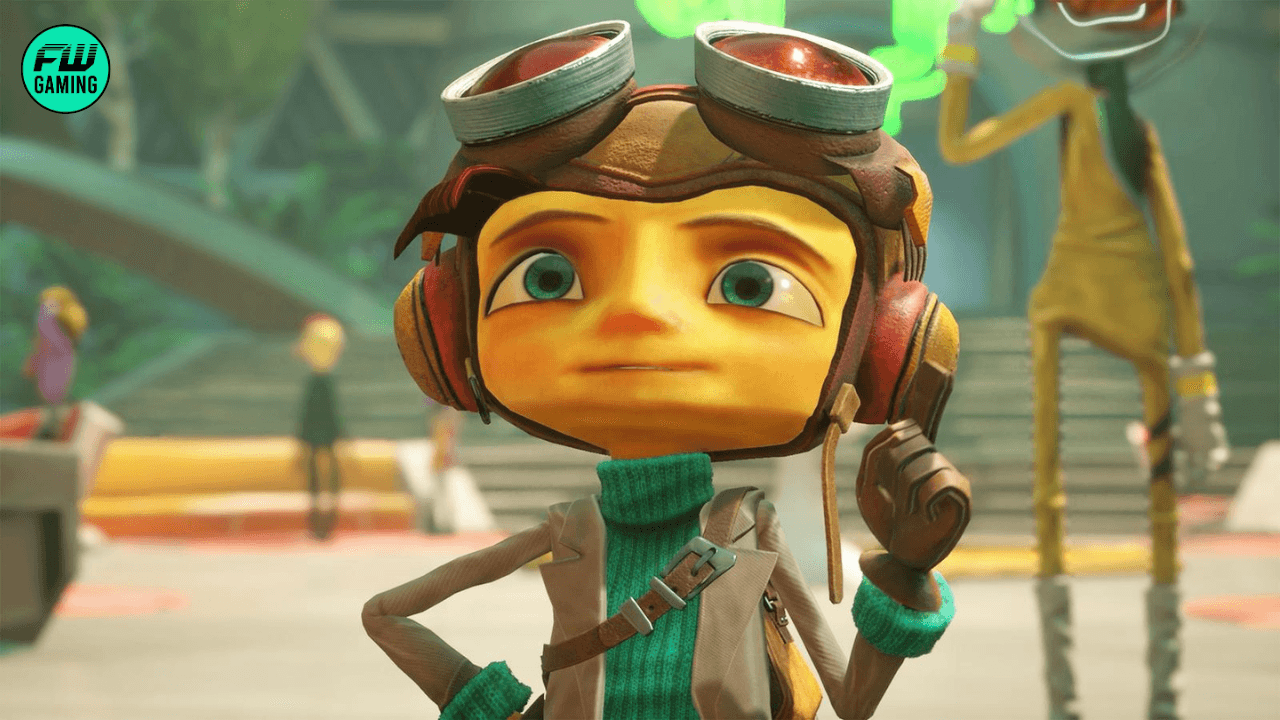
Double Fine is independent again after Xbox cuts, and ownership of its games is returning to the studio. Here is what that signals for Psychonauts fans and what remains unannounced.
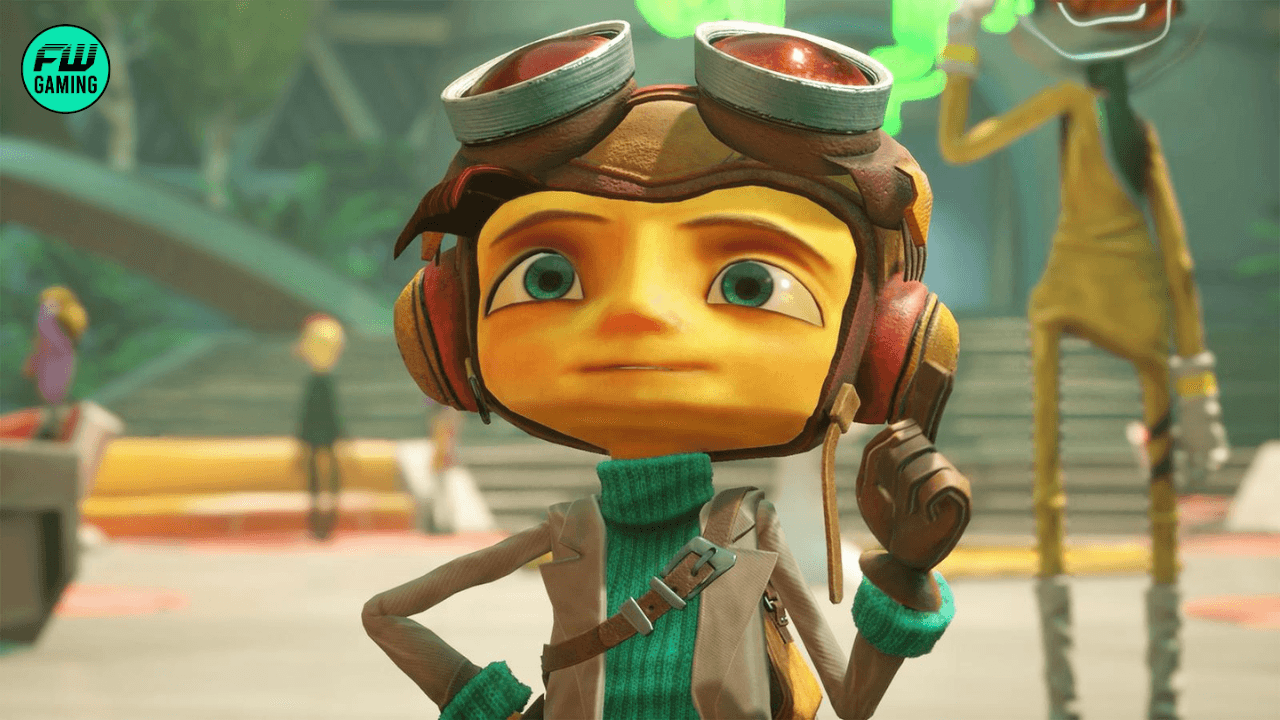
Image: fandomwire.com
Double Fine exits Xbox with its games, but the Psychonauts picture still has fine print
Double Fine Productions is becoming an independent studio again after Microsoft’s latest Xbox restructuring, and the key detail for Psychonauts fans is ownership. In a public statement cited by Eurogamer and IGN, Double Fine said Xbox worked with the studio on an outcome that “preserves our history and culture, and returns ownership of our games to us.”
That is the strongest confirmed development in a messy day of Xbox news. Double Fine is leaving Xbox Game Studios, but it is not being shut down, according to IGN’s report. Compulsion Games, the South of Midnight and We Happy Few developer, is also returning to independent management and said it will retain the rights to Contrast, We Happy Few, and South of Midnight.
The tension is in the wording. Double Fine’s own statement does not name Psychonauts, Psychonauts 2, Keeper, Kiln, Brütal Legend, Costume Quest, Broken Age, or any other specific title. IGN’s headline and reporting identify Psychonauts among the franchises Double Fine gets to keep access to, while Eurogamer says Double Fine retains ownership of the games it created at Xbox, “presumably Psychonauts 2 and Keeper,” while noting the studio did not specify. The confirmed base line is clear: Double Fine says ownership of its games is returning to the studio. The exact public inventory of which rights sit where has not been itemized by Double Fine in the source material.
This is a studio-status story, not another headcount total
The broader Xbox restructuring is severe. Eurogamer reports that Microsoft’s move will reduce staff by approximately 20 percent, amounting to 3,200 job losses across the company. IGN reports that Xbox CEO Asha Sharma addressed staff about cuts of 3,200 employees this year and that Double Fine and Compulsion will leave Xbox Game Studios.
That layoff context matters, but Double Fine’s situation is distinct from a straight shutdown or cancellation report. IGN states that neither Double Fine nor Compulsion will be shut down, and that neither will be part of Xbox Game Studios going forward. The same IGN report says Sharma made no mention of how either company’s workforce would be impacted by the shift to independence.
That last part should stop anyone from declaring an all-clear. Independence can preserve a studio’s identity and IP control while still leaving business questions unresolved. Double Fine’s statement thanks Xbox for seven years together and says the studio will share more news soon on what comes next. It does not announce staffing numbers, funding terms, publishing partners, platforms, or a release window for a future project.
In other words, the Double Fine Xbox layoffs angle is really a transition story inside a larger layoff story. The studio appears to have avoided closure and retained game ownership, but the human impact and production plan remain unannounced.
Retaining Psychonauts changes the fan calculation
For fans, the rights question is the whole match. Psychonauts is the franchise most closely tied to Double Fine’s identity, starting with the studio’s long-running association with Tim Schafer and its reputation for character-driven, oddball adventure design. IGN describes Double Fine as founded in 2000 by Schafer and known for titles including Psychonauts, Brütal Legend, Costume Quest, and Broken Age.
If Double Fine controls Psychonauts rights going forward, the series is not locked inside a first-party Xbox strategy that may be tightening around proven megabrands. Eurogamer reports that ZeniMax and Bethesda will alter their focus to double down on proven IP such as The Elder Scrolls and Fallout. Double Fine is a different case because its statement says ownership of its games is returning to the studio as it exits Xbox.
That matters because Psychonauts does not fit the usual blockbuster platform-holder spreadsheet. It is a prestige creative series with a devoted audience, but the source material does not present it as the kind of guaranteed annualized revenue machine that restructuring plans usually favor. Keeping the rights with Double Fine gives the people most associated with the franchise more control over whether Psychonauts is preserved, revisited, licensed, ported, bundled, or left alone.
There is still a hard limit on what can be said. Double Fine has not announced Psychonauts 3. It has not announced a remaster, a port, DLC, a collection, or a new publishing deal. Fans should read the rights news as protection of possibility, not confirmation of a project.
Double Fine is independent again, but not back in 2018
Eurogamer notes that Double Fine and Compulsion joined Xbox during Microsoft’s studio-buying spree in summer 2018. IGN frames those acquisitions as part of a push to find developers that could help fill the Xbox Game Pass catalogue. Now both studios are returning to independent status after years inside Microsoft’s first-party structure.
That does not mean Double Fine simply rewinds to its pre-acquisition operating model. The studio now leaves with seven years of Xbox history behind it, a public statement emphasizing preservation of culture, and an industry climate shaped by layoffs and consolidation. IGN also reports that Sharma said Double Fine and Compulsion have “runway for their next games,” but the reporting does not define what that runway covers, how long it lasts, or whether it includes Microsoft publishing support.
The difference between “independent” and “secure” is important. Independence gives Double Fine control. Security depends on funding, staffing, scope, and distribution. A shooter team can feel this instantly when a map loses its spawn logic: the name on the scoreboard does not matter if the underlying structure is unstable. For Double Fine, the public signal is encouraging, but the operational details are still offscreen.
Compulsion’s statement is more specific on named franchises, saying it will retain Contrast, We Happy Few, and South of Midnight. Double Fine’s statement is broader. That may be simple brevity, or it may reflect rights language that has not been publicly unpacked. Either way, fans looking for certainty should stick to what the studio actually said: ownership of its games is returning, and more news is coming.
The next game remains the biggest unanswered question
The Double Fine next game question did not get answered by the restructuring statements. IGN reports that there is no word on what either Double Fine or Compulsion will now work on. Double Fine says it will share more news soon on what comes next, but no title, genre, platform, price, date, or publisher was announced in the provided source material.
IGN says Double Fine released Keeper and multiplayer pottery brawler Kiln over the past 12 months, calling them the studio’s first new games for several years and reporting that neither found widespread success. Eurogamer identifies Double Fine as the developer of Psychonauts and Keeper. Those recent releases matter because they show the studio was active after Psychonauts 2, but they do not point cleanly to the next play.
There are several plausible lanes, but none are confirmed by the sources. Double Fine could make another original game, return to an existing franchise, seek a publishing partner, self-publish, or work with platform holders on distribution. The rights news makes a Psychonauts future easier to imagine, but imagining is not reporting.
The most useful reading for players is this: do not treat independence as a shadow announcement. Treat it as a reset of control. Double Fine has the ability to speak for itself again outside Xbox Game Studios, but it has not said what the next match is.
How to follow this without falling for bad signals
For Psychonauts fans, the practical guidance is simple. Watch Double Fine’s own channels for a named-rights clarification or a project announcement, because the studio’s current statement is intentionally broad. IGN and Eurogamer both report the major transition, but even the source coverage preserves the key nuance: IGN identifies Psychonauts as among the franchises being kept, while Eurogamer notes Double Fine did not specify individual titles when saying ownership of its games returns.
Players should also separate store availability from rights ownership. The source material does not say whether existing Psychonauts games will change platforms, leave subscriptions, receive updates, or be reissued. It also does not say whether Microsoft will continue to distribute any current versions. No price, upgrade path, performance change, or release timing has been announced.
The clean read is that Double Fine survived the restructuring as an independent studio with ownership of its games returning. That is a meaningful result in a day defined by layoffs and studio uncertainty. It gives Psychonauts fans a better signal than silence or closure would have, but it stops short of the announcement many are waiting for.
Until Double Fine names the next project, the win is preservation. The next round has not loaded in yet.