
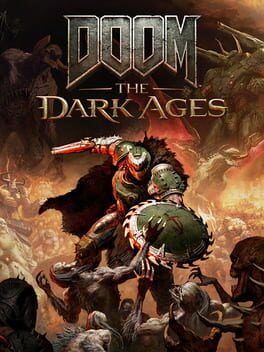

Hugo Martin calls DOOM: The Dark Ages’ first DLC “ginormous” and “basically like a sequel.” Here’s what his comments suggest about its scope, new spear and movement options, the return of quickswap meta, and what both hardcore and casual players should expect.
Hugo Martin isn’t being shy about how big DOOM: The Dark Ages’ first DLC is. On a recent Slayers Club Live stream, the game director described the add‑on as “freaking huge,” “just ginormous,” and even “basically like a sequel.” Coming off a base game that already reimagined Doom’s combat around shields, parries, and chunky medieval hardware, that kind of language sets expectations sky‑high.
What Martin is teasing sounds less like a bonus chapter and more like a second campaign that riffs on and possibly reconfigures the game’s core systems. Between his hints at a radically different feel, a fresh spear weapon and expanded movement, and a return of the beloved quickswap meta, this DLC could end up doing for The Dark Ages what The Ancient Gods did for Doom Eternal.
“Basically Like a Sequel”: How Big Is “Ginormous” For Doom?
Martin’s comments during the stream weren’t subtle. He repeatedly emphasized the scope of the project, saying the DLC feels like a sequel in its own right rather than a conventional expansion. That choice of wording matters for id Software, a studio that already has form for building near‑standalone campaigns on top of its main releases.
Crucially, Martin also said the DLC’s gameplay is “nothing like” the base game and that the slices he has been playtesting feel very different to play. That implies more than new arenas and demon variants. It suggests large systemic changes: new weapons that alter optimal routing, new mobility hooks that rewrite how you traverse arenas, and possibly adjustments to defensive play that build on Dark Ages’ already polarizing parry mechanic.
With id staying cagey on specifics, “ginormous” could mean a combination of new levels, enemy rosters, and a deep set of toys that meaningfully change how you build your Slayer. The tone from Martin, though, is that players should think of this as a next chapter rather than an epilogue.
The Return Of Quickswap And A New Meta
One of the loudest talking points around The Dark Ages at launch was its relationship with Doom Eternal’s quickswap meta. Eternal rewarded players who could instantly flick between specific weapon combos to vaporize priority targets in a blur of animation cancels and precision bursts. The Dark Ages shifted that focus toward deliberate timing through shields, parries, and heavier weapons that felt closer to a medieval brawler.
Martin has since acknowledged that the team wants to bring more of that high‑end weapon weaving back into the mix. While he hasn’t laid out exact loadouts, his comments about a “different” feel and the DLC’s scale line up with fan speculation that advanced quickswap tech will see a formal return. Instead of being incidental tech discovered by speedrunners, it is more likely to be built into the tuning of weapons, reloads, and stagger windows.
If that happens, the DLC could function as a bridge between Eternal’s hyper‑kinetic routing and Dark Ages’ more grounded aggression. Expect more reasons to cycle through your arsenal every few seconds and more encounters designed around players who can read the arena at a glance, swap correctly, and melt elites before they can counter.
Spears, Dodges, And Movement: What Martin Is Teasing
The most tantalizing hints out of the stream center on new tools for getting in and out of danger. Martin directly acknowledged a new spear weapon earlier in the game’s marketing, and its presence in the DLC feels practically guaranteed. It fits the Dark Ages aesthetic and opens the door for all sorts of high‑skill play if it doubles as both a gap‑closer and a ranged option.
Equally important is how you move around those arenas. During the Slayers Club Live stream, a viewer suggested a “perfect dodge” as a replacement or complement to the parry system. Martin responded with a clipped, very pointed “Interesting. That’s all I’m gonna say.” It’s not confirmation, but it is exactly the sort of coy non‑answer id uses when a mechanic is at least on the table.
Taken together, the spear and any new dodge or evasive mechanic could push The Dark Ages’ combat into a more fencing‑style rhythm. Imagine darting in with a spear lunge, baiting a heavy attack, then using a perfect dodge invulnerability window to counter with a high‑damage combo. For players who bounced off the base game’s shield and parry emphasis, this kind of movement‑driven toolkit could make positioning and timing feel more intuitive.
If the DLC really is sequel‑sized, expect these new tools to be integrated early so that the rest of the campaign can escalate around them. That means arenas with longer sightlines for spear throws or grapples, denser patterns of projectiles that reward well‑timed dodges, and enemy archetypes that punish static play.
How It Fits Into id Software’s Recent DLC History
To understand why “basically like a sequel” isn’t just hype, you only need to look at id Software’s last outing. Doom Eternal’s The Ancient Gods expansions functioned as a brutal two‑part epilogue that might as well have been Doom Eternal 1.5. They introduced new enemies that completely rewired encounter priorities, remixed arena design and turned the difficulty up to a level that bordered on a gauntlet for only the most committed Slayers.
That history sets expectations. When id calls something a DLC, it often means a full‑fat campaign bolted onto an already substantial game, with experimental mechanics that lean harder into the high‑skill meta than the base release could reasonably get away with. The Dark Ages has already seen significant free content in modes like the Ripatorium, so a paid expansion that climbs into sequel territory feels like a logical continuation of that philosophy.
The key difference this time is the tone of the main game. The Dark Ages plays slower and chunkier than Eternal, and its medieval setting pushes more cinematic, shield‑led duels instead of pure acrobatics. A huge DLC gives id the space to hybridize that direction with what worked in Eternal’s expansions, building a combat ecosystem that can serve both fans of the new pacing and old quickswap diehards.
Extending The Dark Ages’ Life Cycle
A near‑sequel DLC drops into The Dark Ages at a crucial moment. The base game has found a strong audience and solid critical reception, but like any primarily single‑player shooter, its long‑term health depends on reasons to reinstall. A massive expansion that redefines the meta is one of the clearest ways to do that.
If id repeats the Eternal pattern, this DLC can extend the game’s tail in several ways. It gives lapsed players a reason to come back and re‑learn the systems with a refreshed toolkit. It keeps the speedrunning and ultra‑nightmare communities engaged as they discover new tech, routes, and weapon synergies. And it creates a definitive “complete package” that can be marketed long after launch, bundling base game plus expansion as the canonical Dark Ages experience.
Because Martin stresses that the DLC “plays different,” it also has the potential to rehabilitate elements that were divisive at launch. A more optional or reworked parry, alternative defensive mechanics like a perfect dodge, and a more explicit quickswap incentive could bring back players who loved Doom 2016 and Eternal but never fully clicked with Dark Ages’ core loop.
What Hardcore Players Should Expect
For veterans who mastered Eternal’s Ancient Gods or have already battered through Dark Ages on the highest settings, this DLC sounds like a deliberate escalation. The promise of a sequel‑sized chunk of content means more late‑game tuned arenas where every enemy type is on the field from the start, and success depends on building the right route through the chaos.
If quickswap comes back in a more formalized way, expect difficulty design that assumes you will be cycling between several weapons in rapid succession. Enemies may be built to hard‑counter single‑weapon play, with shields, armor phases, or movement patterns that practically demand weapon switching to maintain damage uptime.
Build diversity for hardcore players will likely revolve around mastering new spear tech and any fresh mobility options. High‑end clears may hinge on decisions like whether to spec into spear upgrades that enhance crowd control versus single‑target burst, or how far to lean into defensive options like perfect dodges compared to raw damage or resource generation.
Lengthwise, when a director invokes “basically like a sequel,” it is reasonable to expect something closer to a short standalone shooter than a traditional three‑mission add‑on. For the hardcore scene, that translates into dozens of hours once you account for challenge runs, extra difficulties, and routing.
What Casual Slayers Should Expect
For more casual or first‑time Doom players, the phrase “ginormous DLC” can be intimidating, especially given The Ancient Gods’ reputation for punishing difficulty spikes. The reassuring angle with The Dark Ages is that its base design already favored slightly slower, more readable combat rhythms, and id is likely to maintain a sensible curve in the expansion.
If Martin and the team really are layering in movement options like a perfect dodge alongside shields and parries, casual players could actually have more ways to survive than before. Defensive depth doesn’t have to mean mandatory mastery. A clearly telegraphed dodge window or spear gap‑closer can make arenas feel fairer and more flexible once you understand the basics.
In terms of length, casual Slayers should brace for a substantial new story campaign rather than a weekend snack. If Ancient Gods is the reference point, you are probably looking at something in the high‑single‑digits to low‑double‑digits of hours for a first clear, depending on how many side challenges, collectibles, or optional encounters id folds in.
Where this DLC could really shine for less hardcore players is build freedom. If quickswap is elevated and the spear plus new mobility tools broaden your options, it becomes easier to tailor your loadout to your own strengths. You might lean into big, forgiving crowd‑control tools and mobility instead of precision‑heavy glass‑cannon builds, yet still feel viable through the whole campaign.
A Near‑Sequel That Might Become The Definitive Dark Ages
Hugo Martin’s “basically like a sequel” pitch is more than marketing bluster. It fits cleanly into id Software’s habit of treating expansions as laboratories for high‑end design and as second passes on ideas from the main game. With a teased spear weapon, possible perfect dodge or expanded defensive options, and a refreshed quickswap meta, this DLC could transform The Dark Ages into a richer, more flexible combat sandbox.
For hardcore players, it looks like a new gauntlet to route, master, and speedrun. For casual Slayers, it might be the friendlier, more expressive version of Dark Ages’ combat that the base game only gestured toward. If id sticks the landing, this “ginormous” add‑on will not just extend DOOM: The Dark Ages’ life. It will redefine what people think of as the complete experience.