
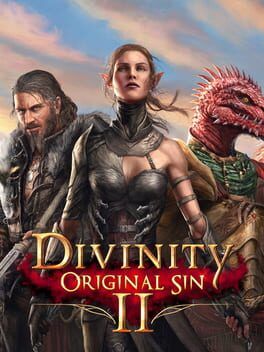

Larian’s 2017 classic quietly lands native PS5, Xbox Series X/S and Switch 2 versions with a free upgrade path, sharper performance and thoughtful quality‑of‑life tweaks. Here’s what’s new and whether it meaningfully changes the adventure for returning players.
Divinity: Original Sin 2 has never really left the conversation, but Larian has just given players a very real reason to come back. Years after it set the bar for modern CRPGs, the studio has shadow dropped native current‑gen versions for PlayStation 5, Xbox Series X/S and Nintendo Switch 2, with free upgrades for existing owners. On paper it sounds like a simple technical pass. In practice it is a smart refresh that smooths out some long‑standing rough edges on console and makes this sprawling adventure far easier to recommend to anyone with new hardware.
What the current‑gen versions actually change
On PS5, Xbox Series X/S and Switch 2, Divinity: Original Sin 2 finally runs as a native app instead of via backwards compatibility. That brings the expected visual and performance benefits, but also lets Larian tuck in a handful of system‑level features and interface refinements that were trickier to deliver on the previous generation.
The headline is a higher and more stable resolution. On PS5 and Xbox Series X/S the game targets a crisp 4K presentation with improved image clarity over the PS4 and Xbox One versions. Environmental details like Reaper’s Coast foliage, spell effects and texture work in Fort Joy’s dungeons all look cleaner, with less shimmer and softer edges in motion. The art direction was already strong; current‑gen hardware simply lets it breathe.
Performance sees the biggest quality‑of‑life gain. Where the last‑gen console builds could dip noticeably during busy combat encounters or in densely populated hubs, the new versions aim for a much steadier frame rate. Camera pans across elemental chaos in turn‑based battles no longer stutter in the same way, and loading into large areas happens more quickly, which makes experimentation and quick trips across Rivellon less of a chore.
The Switch 2 release benefits in a similar way, trading the harsher cutbacks of the original portable version for sharper resolution and more consistent performance. It is still the most compromised version compared to PS5 and Series X/S, but for players who value handheld flexibility, the gap is smaller and the experience feels closer to what you would expect from a modern console RPG.
Quality‑of‑life tweaks that matter in a 100‑hour RPG
Larian has not torn out any core systems for this update, so returning players will find the same dense, reactive quest design and turn‑based combat they remember. The upgrades instead focus on smoothing the day‑to‑day friction of playing a complex PC‑born CRPG on a controller.
Menu navigation and inventory management feel more responsive on current‑gen systems thanks to faster loading and snappier interface transitions. Moving between character sheets, skills and bags is less of a grind, which counts for a lot when you are juggling multiple party members, skill books and crafting components. Subtle adjustments to font clarity and UI scaling on higher‑resolution displays also make couch play more comfortable, particularly during longer sessions.
Local co‑op benefits indirectly from the performance uplift. On last‑gen consoles, split‑screen play could push the hardware hard, especially in visually busy areas. The current‑gen versions handle those scenarios more gracefully, so two players can wander off to pursue different quests or instigate their own trouble without dragging the frame rate into the mud.
The cumulative effect is not flashy. There are no new origin characters, story arcs or combat systems designed specifically for these ports. Instead, Larian has focused on stability, visual clarity and small comforts that make it easier to sink another 60 or 100 hours into an already massive game.
How the free upgrade works on each platform
Larian has kept the upgrade path simple. If you already own Divinity: Original Sin 2 on a given family of hardware, you are entitled to the current‑gen version at no extra cost on that same ecosystem.
On PlayStation, existing PS4 owners can claim the PS5 version through the usual cross‑gen upgrade flow on the PlayStation Store. Once the native PS5 client is installed, you can bring across your old save data through system transfer or cloud saves, depending on how you previously backed things up. The PS5 version then becomes your default, with the PS4 app still available if you want to compare.
On Xbox, owners of the Xbox One release benefit from Microsoft’s cross‑generation approach. If the game is in your library, the Series X/S version shows up automatically on a current‑gen console and replaces the older build. Save progress syncs through the cloud, so you can pick up where you left off without manual shuffling.
Switch 2 follows Nintendo’s typical account‑based model. Players who purchased Divinity: Original Sin 2 on the original Switch hardware can download the upgraded version on Switch 2 from their account library. Save transfers depend on whether you used local or cloud backup, but once moved across, the new version reads your existing progress and settings.
There are no paid upgrade tiers, DLC bundles or separate “Definitive Edition” purchases required for this refresh. If you own the game already, you get the improvements. For new players buying in for the first time, the store listings on each platform now simply point to the current‑gen build.
Does the upgrade meaningfully change the experience?
For newcomers who have never touched Divinity: Original Sin 2, the answer is straightforward. The current‑gen versions are now the best way to play on console, closing much of the gap between the PC experience and living room setups. The richer resolution, steadier performance and controller‑friendly refinements combine to make the game more approachable without sacrificing any of its depth.
For returning players, the answer depends on what kept you from finishing or revisiting the game. If you bounced off because of frame rate drops, long loads or slightly clunky inventory management on last‑gen hardware, this upgrade directly addresses those pain points. It does not turn Divinity into a fundamentally different experience, but it makes the existing one feel less constrained and more pleasant to engage with over the long haul.
If you were hoping for new campaigns, classes or radical mechanical changes, this release is not that. It is a polish pass rather than a reinvention, arriving at a time when Larian is openly focused on the future of the Divinity series after Baldur’s Gate 3. As a result, it lands as a celebration and preservation of a modern classic more than a forward‑looking expansion.
Still, there is something powerful about being able to reinstall a 2017 RPG on brand new hardware, boot it up in native form and find that it feels immediately at home in 2025. Divinity: Original Sin 2’s design has aged gracefully, and the current‑gen upgrade lets that work shine without technical distractions. If you have been waiting for an excuse to roll a new character or finally see the end of Rivellon’s story, this free upgrade is that excuse.