

Disney has removed a wave of classic PC games from Steam, including the original Star Wars: Dark Forces and Outlaws. Here is what disappeared, why it matters for game preservation, and whether modern remasters are really enough.
Disney has quietly pulled another batch of games from Steam, and this time some of PC gaming’s most important Star Wars shooters are caught in the blast radius. The original Star Wars: Dark Forces and LucasArts’ cult western Outlaws have both vanished from sale, alongside a long line of licensed Disney tie ins that were keeping a small corner of early 2000s PC history alive.
For anyone who cares about PC game preservation and legal access to older titles, this wave of removals is bigger than a simple catalog tidy. It is a reminder that the version of “ownership” we get on modern storefronts is fragile, especially for games built on stacked licenses like Star Wars.
What Disney just removed from Steam
The latest delisting pass, spotted through SteamDB and reported by outlets like Rock Paper Shotgun, Polygon, and PC Gamer, took 15 more games off Steam. That comes after an earlier round in January, bringing the total number of recent Disney removals to 29.
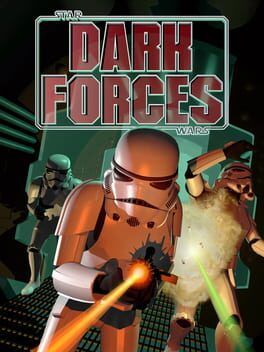
Crucially for classic PC fans, this wave pulled the original Star Wars: Dark Forces (listed on Steam as the classic DOS release) and Outlaws + A Handful of Missions. Those two games were more than nostalgic curios. They were still selling, still playable on modern machines, and still part of how people legitimately discovered the LucasArts back catalog.
Around them, Disney removed a run of movie and TV tie ins that had quietly become archival curios. Titles like High School Musical 3: Senior Year Dance, Brave: The Video Game, Bolt, Tangled, Treasure Planet: Battle of Procyon, Pirates of the Caribbean: At World’s End, Disney Universe, G Force, Chicken Little, Alice in Wonderland, and Disney Princess: My Fairytale Adventure were not topping sales charts. What they did offer was something modern PC libraries often lack: a snapshot of how licensed children’s media and PC gaming intersected in the early 2000s and early HD era.
One of the stranger casualties is Planet of the Apes: Last Frontier, a relatively recent narrative game that had even received updates within the last year. Its removal highlights how arbitrary these decisions can feel from the outside. In every case Disney has declined to explain the cuts, though licensing time limits and internal catalog strategy are the likely culprits.
Why storefront removals matter for retro PC access
It is easy to shrug at a list of delisted titles until you try to play one. For years, Steam acted as an unofficial soft archive for PC’s licensed detritus. Many of these games were not preserved because they were masterpieces, but because they were there, cheap, and just worked with a button press.
When a game vanishes from Steam, GOG, or other official stores, two things happen at once. First, new players lose any legal, straightforward route to experience that specific version on modern hardware. Second, the public context around the game starts to erode. You no longer have an official store page with system requirements, community discussions, user reviews, recent compatibility notes, or patches pushed through Steam’s update system.
For older PC games that already require a little coaxing through DOSBox or compatibility tweaks, that support layer is often the difference between “curious newcomer can play this tonight” and “only experts and pirates can touch this.” Once that barrier goes up, history tends to calcify. People talk about the games less, fewer videos and guides get made, and the odds of the title being reexamined or reappraised shrink.
Disney’s recent removals hurt doubly because they affect games that were actually ahead of the curve in terms of tech friendliness. Dark Forces and Outlaws on Steam ran inside simple wrappers and would typically boot on a modern PC without deep tinkering. They were some of the most accessible doors into 90s shooter history, and into LucasArts’ id Tech adjacent phase specifically.
Dark Forces and Outlaws: when the remaster becomes the only route
There is an important wrinkle here. Both Dark Forces and Outlaws now exist in modern remastered forms through Nightdive Studios. On the surface that softens the blow. If you want to shoot stormtroopers as Kyle Katarn, Dark Forces Remaster is right there, with widescreen support, upscaled assets, and controller friendly UI. For many players it is the best way to experience the campaign.
But preservation is about more than an updated “definitive edition.” Once the original DOS era builds disappear from storefronts, the remaster is no longer an alternative, it becomes the only mainstream route. That matters in concrete ways.
Remasters are interpretations. Dark Forces Remaster is faithful, but it still sits on a new codebase, with different audio mixing, lighting behavior, and input feel. Outlaws has similar considerations around resolution, timing, and movement. In some cases remasters contain subtle content differences, changes to licensed splash screens, logos, or menus, or differences in how mods interact with the game files.
The classic Steam releases, by contrast, were close to the historical artifacts that shipped in the 90s, only wrapped for modern OSes. They preserved the rough edges along with the magic. Losing legal, one click access to those builds means historians, modders, speedrunners, and developers studying old tech now have fewer options that sit comfortably inside the law.
We have seen this pattern elsewhere. When Rockstar removed the original Grand Theft Auto trilogy from PC stores ahead of its remastered collection, the backlash was intense precisely because players do not see remasters as one to one replacements. Nintendo’s handling of classic Mario collections and Sony’s approach to older PlayStation titles tell similar stories. When the old versions go away, trust erodes.
In Disney’s case, at least Dark Forces and Outlaws live on in these polished forms. Most of the other delisted titles do not have that safety net. A Brave or Tangled remaster seems unlikely, which means the Steam versions were probably the last widely accessible legal route into those exact games.
Why licensing heavy catalogs are at risk on PC
Disney’s catalog is uniquely vulnerable to this kind of quiet erasure. Between Lucasfilm, Pixar, 20th Century, Marvel, Star Wars, and decades of TV and film output, its games library is almost entirely built on time limited rights, character likeness approvals, and cross company deals.
When those agreements expire, someone has to make an active choice to renegotiate or to let the game fade from sale. For big internal priorities, like modern Star Wars tentpoles, that is worth the effort. For a mid 2000s PC tie in to a long concluded live action movie or a short run TV show, the legal work is harder to justify than simply turning off the purchase button.
On PC, this plays out differently than on consoles. A delisted Xbox 360 or PlayStation 3 game might still have secondhand discs floating around, and the hardware ecosystems are closed enough that the disc has a good chance of working as intended years later. PC gaming is more open but also more volatile. Old physical copies are rare, OS changes break installers and DRM schemes, and official patches often live exclusively on now defunct publisher servers.
Digital storefronts filled some of that gap. When Disney removes a 2000s PC tie in from Steam, it is not just trimming store clutter. It is potentially erasing the last accessible, legal route for anyone without original discs and the know how to coax them into life on Windows 11.
The Star Wars shooters underline another risk. These are not anonymous movie tie ins, they are historically significant works with design ideas that still echo in modern shooters. Allowing their original forms to quietly slip out of circulation sends a message about how Disney values its PC heritage, even as it courts modern audiences through big cross media events inside Fortnite or high profile remakes.
Do these removals point to a new strategy?
None of the reporting around the delistings points to an official strategy shift. Disney has not commented on the record, and any talk of Epic Games Store exclusivity or future re releases lives in the realm of speculation. It is true that Disney has invested heavily in Epic Games and is using Fortnite as a cross media platform, but there is no concrete evidence that these specific removals are about moving games off Steam and onto a rival store.
The more grounded explanation is less exciting but more worrying from a preservation standpoint. This looks like portfolio maintenance where older and more obscure titles are being allowed to lapse as licenses expire or as Disney rationalizes what it is willing to maintain on PC. From a balance sheet perspective that may make sense. From a cultural perspective it tilts the scales against anything that is not a modern blockbuster.
In the case of Dark Forces and Outlaws, you can see the contours of a practical internal logic. Keep the new remasters, drop the old DOS shells. That cuts down on support overhead, avoids confusing search results, and steers purchases to the SKU Disney and Nightdive are currently promoting. It also means that the more “complete” digital shelf that once existed on Steam is quietly shrinking, with no easy way for regular players to notice until they go looking for something that is gone.
What this means for PC preservation and players
If there is a clear lesson in this wave of delistings, it is that relying solely on commercial storefronts to preserve PC history is risky. Even when the rights holder is as large and seemingly stable as Disney, access is conditional and subject to opaque internal decisions. Preservation groups, libraries, museums, and private collectors already know this, which is why they race to archive installers, patch files, and documentation the moment a game shows signs of vanishing.
For everyday players who just want to explore classic PC eras legally, the path forward is more awkward. It means buying remasters where they exist, but also recognizing their limits. It means supporting stores that make a point of selling older builds alongside new ones when rights allow. It may mean hanging onto legitimate installers and backups a little more carefully than you would for a streaming TV show.
Disney’s latest removals do not mark the death of Dark Forces or Outlaws on PC. Their remasters are good, accessible, and worth playing. What has died, at least for now, is the idea that you could open Steam and find both those remasters and the original, messy 90s code sitting side by side. For a medium that is only just starting to take its own history seriously, that loss is bigger than a missing buy button.
If nothing else, this moment should strengthen the argument that when a rights holder chooses not to sell an older version of a game, it should at least be easier for accredited preservation groups to store and share that work. Classic PC Star Wars helped define what licensed games could be. It would be a shame if the easiest way to experience that history legally keeps slipping further out of reach.