
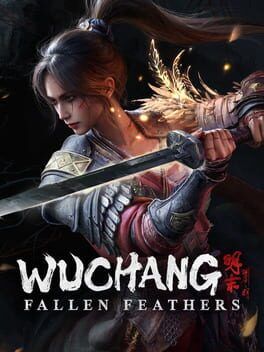
Why a €4 million IP buyout turns Wuchang from a one-and-done Soulslike into a potential long-term franchise for Digital Bros and 505 Games.
Wuchang: Fallen Feathers looked destined to be a one‑and‑done success story. A breakout Chinese Soulslike with over a million copies sold, 130,000+ peak concurrents on Steam, and roughly €30 million in revenue, followed almost immediately by reports of the studio behind it being effectively dismantled. Leenzee (also referred to as Chengdu Lingzee) was reportedly shuttered, key creative staff departed, and remaining developers were pushed toward support work rather than post‑launch content.
That is not the profile of a series that usually gets a second act. Yet Digital Bros stepping in to buy the Wuchang IP outright for about €4 million changes the calculus completely. Instead of a stranded hit, Wuchang is now a controllable asset sitting in the catalog of a mid‑tier global publisher that has already proven it knows how to grow AA action franchises.
Why Wuchang was worth €4 million to Digital Bros
The headline numbers matter. By March 31, 2026, Wuchang: Fallen Feathers had cleared over one million units sold across PC, PlayStation 5, and Xbox Series X|S, generating more than €30 million in revenue. For a new IP in a crowded Soulslike space, those are strong results, especially for a game launched without a mega‑publisher’s marketing budget.
Digital Bros, parent company of 505 Games, already had a front‑row seat as Wuchang’s western publisher. It could see sell‑through curves, regional performance, and wishlist‑to‑conversion data long before the public. When that publisher then spends €4 million to take full ownership of the IP and all future revenues, it is a signal that internal forecasting points to a long tail that easily clears that outlay.
Crucially, the acquisition severs revenue‑sharing obligations. Instead of paying royalties back to Leenzee, Digital Bros now keeps every cent of future Wuchang sales, DLC, and potential follow‑ups. At current performance rates, the buyout looks less like a gamble and more like a classic catalog consolidation play, similar to what the company did with Ghostrunner before greenlighting Ghostrunner 2.
From orphaned hit to managed franchise
Before the deal, Wuchang sat in an awkward limbo. Its original developer was reportedly wound down, senior figures like director Xia Siyuan moved on, and the remaining team faced a shift toward contract support work rather than feature development. That kind of disruption usually kills the prospect of long‑term feature patches, DLC, or a sequel, especially when IP ownership is fragmented.
By taking the IP in‑house, Digital Bros removes that structural risk. Wuchang is no longer tied to the fortunes of one studio. The publisher can:
Reassign support and post‑launch work internally or to a trusted partner.
Treat Wuchang as a brand in its portfolio rather than a one‑off publishing engagement.
Time investments in sequels or expansions alongside its broader slate, rather than racing against a developer’s runway.
That flexibility is often what separates a cult classic that quietly fades away from a mid‑tier series that slowly accumulates audience and mindshare over multiple cycles.
The near‑term: ports, performance passes, and long‑tail monetization
In the short to medium term, the most realistic moves for Digital Bros are not headline‑grabbing sequels but pragmatic efforts to maximize the existing game.
Expect an emphasis on long‑tail sales optimization. Wuchang already earned back its development costs, but the IP acquisition makes every marginal sale more valuable. Aggressive discounting during seasonal sales, inclusion in multi‑game bundles, and targeted promotions on platforms where Soulslikes over‑index are all levers a catalog‑savvy publisher can pull.
Technical and balance updates are also a likely priority. Soulslikes live and die by feel. Even modest improvements to performance, input latency, camera behavior, and late‑game balance can meaningfully extend word of mouth. Digital Bros has an incentive to keep Wuchang in a “recommended” state on storefronts, with reviews trending upward rather than stagnating around a contentious launch snapshot.
PC will likely remain the spearhead platform for these efforts, with incremental improvements that double as groundwork for any potential enhanced console releases.
Port and version opportunities
Because Wuchang already launched on current‑gen consoles and PC, the port conversation is less about rescuing stranded players and more about widening and refreshing the funnel.
A robust current‑gen focus means there is room for a performance‑oriented repackage. An eventual Complete Edition or Definitive Edition could bundle all patches and any future DLC into a single SKU, marketed as the best way to experience Wuchang on PlayStation 5 and Xbox Series X|S. This kind of reissue has become standard practice for action‑RPGs that want to re‑enter the conversation a couple of years after launch.
Cloud and subscription platforms are another logical vector. Digital Bros has relationships across PC and console ecosystems and can use Wuchang as a value chip in subscription negotiations. Landing the game in a high‑visibility subscription catalog can spike late adopters, especially in regions where FromSoftware‑style action games perform strongly but upfront pricing is a barrier.
On the PC side, broader storefront expansion is also in play. If Wuchang started life with a platform‑specific deal or limited presence, a fully owned IP is easier to reorganize into a multi‑storefront strategy that includes Epic Games Store, regional PC launchers, and emerging cloud ecosystems. Each new platform extends the tail without incurring full new‑game marketing costs.
Sequel prospects and who actually makes Wuchang 2
The most immediate fan question is whether this acquisition sets the stage for Wuchang: Fallen Feathers 2. From an investment logic standpoint, the answer trends toward yes, but with caveats.
Digital Bros tends to push further into IP it owns outright when the unit economics work. Ghostrunner gained a sequel after a similar publishing relationship turned into a full IP purchase. Wuchang now occupies that same strategic tier, with the added benefit that Soulslikes continue to be a high‑engagement niche that travels well globally.
The wildcard is development capacity. With Leenzee effectively out of the picture, Digital Bros has three broad options for a sequel.
It can rebuild a core team around key former developers if they are available and interested, using them as the creative nucleus while handling production and funding internally.
It can assign the project to one of its existing partner studios that has action‑RPG chops, creating a spiritual continuity rather than a direct team carryover.
It can incubate the follow‑up more slowly, starting with smaller spin‑offs or experimental projects set in the same universe to keep the brand active before committing to a full sequel.
The company’s public language around “long‑term potential” and willingness to spend real cash on the IP suggests that some form of continuation is under consideration, even if it will not impact the current fiscal year in a material way.
Why action‑RPG IP has become attractive post‑launch
Wuchang’s trajectory fits into a broader pattern of publishers buying into action‑RPG IP after the market has already voted. Soulslikes and adjacent action‑RPGs have several characteristics that make them attractive as post‑launch acquisitions.
They have relatively predictable tails. Once a game survives word‑of‑mouth scrutiny and settles into a stable review profile, its ongoing sales curve is easier to model compared with live service titles that depend on constant content drops.
They are highly replayable and streamer‑friendly. Difficult mechanics and build variety produce evergreen content for creators, which acts as sustained unpaid marketing for years. Publishers can amplify this with modest event support rather than heavy live service pipelines.
They port well. Strong combat loops and atmospheric world design age slowly. With careful technical work, an action‑RPG can be sold again on new hardware generations or through graphical updates without fully remaking its content, improving ROI versus genres that depend heavily on leading‑edge visuals.
They serve as platform deal bait. Platform holders and subscription services want recognizable, challenging, high‑engagement games in their catalogs. Owning a mid‑tier Soulslike IP gives a publisher a bargaining chip for feature placement and deal packages.
In other words, once an action‑RPG has proven it can clear the initial quality bar and reach an audience, its risk profile drops sharply while its monetization options expand. That is exactly the window where a company like Digital Bros prefers to buy in.
Market positioning: carving space below the AAA giants
Wuchang is not trying to displace Elden Ring or Sekiro at the top of the market. Instead, it slots into a profitable AA band where budgets are lower, expectations are more flexible, and players are hungry for more experiences in the same broad space.
Digital Bros has built much of its publishing identity around this middle tier. Control, Ghostrunner, and now Wuchang all sit in genres where the audience is heavily engaged but the field is not fully saturated with $200 million productions. The goal is not to outspend major platform holders, but to offer strong, distinct alternatives that feel premium without carrying AAA overhead.
Owning Wuchang allows 505 Games to position itself as a recurring name in the action‑RPG conversation. Each sale of Wuchang strengthens its presence with fans who will be more likely to pay attention when a sequel, spinoff, or adjacent title appears in future showcases.
What players should realistically expect
For players, the acquisition does not translate into instant new content. Digital Bros has already signaled that the deal will not significantly change the current fiscal year’s results, which implies that big ticket developments like a full sequel are at least a medium‑term prospect.
What is more plausible over the next couple of years is a pattern of steady, quieter moves: technical polish, curated discounts, potential subscription appearances, and possibly a definitive edition style reissue. Over time, these steps both keep the game in circulation and lay the groundwork for a larger return to the setting.
The key takeaway is that Wuchang is no longer a dead end. In a market where many promising AA games disappear after a single outing, having a publisher step in to buy and centralize the IP is often the difference between a cult favorite fading into obscurity and a franchise slowly building a foothold. Digital Bros has put real money behind the idea that Wuchang belongs in the latter category.