
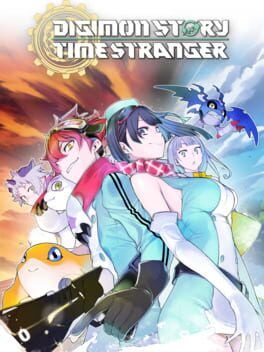

Bandai Namco’s second Digimon Story: Time Stranger DLC, Additional Digimon & Episode Pack 2: Gaku-Ran, pivots the spotlight to Hiroko Sagisaka and introduces four Bancho-themed Megas that can reshape late‑game team builds and grinding on PS5, Xbox Series X|S, and PC.
Bandai Namco has lifted the curtain on the second big expansion for Digimon Story: Time Stranger, and it is all about delinquent style and late‑game power. Additional Digimon & Episode Pack 2: Gaku-Ran arrives in January 2026 on PS5, Xbox Series X|S, and PC as the middle chapter of the game’s three‑pack DLC roadmap, and it is bringing a fresh story focus with Hiroko Sagisaka plus four Bancho themed Mega Digimon that are tailor made for postgame grinding and new team strategies.
Hiroko Sagisaka Steps Into the Spotlight
Where the first DLC episode, Alternate Dimension, leaned on fan favorite Kyoko Kuremi and a short detective style side case, Gaku-Ran shifts gears to focus on Hiroko Sagisaka. She is one of Time Stranger’s most intriguing figures because she appears in both the past and present timelines. That duality already makes her central to the base game’s time hopping mystery, and the new episode looks set to pull on those threads even harder.
The Gaku-Ran story episode expands on how Hiroko moves between eras, how she ended up tied to the Digital World’s more rough and tumble elements, and why her personal history intersects with the Bancho line of Digimon. The English teaser shown in Digimon Times Vol. 2 hints at scenes cut between high school settings and digital back alleys, with Hiroko stepping into conflicts that ordinary Tamers would back away from. If the first pack was an hour long, expect something in a similar range here, but with a sharper character focus and a grittier tone that matches its delinquent themed Digimon roster.
Meet the Bancho Megas of Gaku-Ran
The hook of Gaku-Ran is its quartet of Bancho Megas, all new Digivolutions for existing partner lines in Time Stranger. Bancho variants in Digimon lore are usually brawler archetypes with high stats, strong passives and unique resistances, and the ones joining via Pack 2 follow that tradition closely.
BanchoGolemon is the tank of the group. As an evolution option for your rock and machine aligned partners, it leans into raw defense and earth skills that are ideal for soaking up late‑game damage. On PS5 and Xbox, where performance lets the battle system breathe a bit more cleanly than older Digimon Story entries, a sturdy frontliner like BanchoGolemon can anchor auto grind setups while your backline focuses on multi target skills.
BanchoLillymon is the most flexible of the newcomers. It gives plant and fairy style lines a full fledged Bancho route, which in practical terms means higher offensive ceilings and access to more aggressive support skills than their traditional, healer focused multis. For players on PC who like to optimize builds around status abuse and team buffs, BanchoLillymon opens up hybrid roles that previously demanded swapping Digimon mid‑battle.
BanchoMamemon arrives as a bruiser with trickster tendencies. Mamemon based lines often get pigeonholed as quirky side options, but here the Bancho form pushes their stats into genuine Mega tier threat territory. Expect a mix of high crit rates and counter or reflect tools that make it an excellent choice for farming story and free battles where you want fights to end quickly but still feed you decent EXP.
BanchoStingmon rounds out the set as the speed oriented Bancho. It finally gives insect and blade leaning lines a delinquent capstone that can keep pace with Time Stranger’s most evasive late‑game bosses. High speed and piercing style skills make BanchoStingmon perfect for plowing through defensive enemies that might otherwise stall auto battling setups or drag out your postgame material runs.
How Pack 2 Fits in the Three‑Pack Roadmap
Gaku-Ran is the second step in Time Stranger’s three part DLC plan. Alternate Dimension established the template with one story episode and a handful of new Digimon while also teasing threads that Gaku-Ran now picks up through Hiroko. The third, still unnamed pack is set to finish the arc and complete the new Digivolution options spread across the season pass.
As the middle chapter, Additional Digimon & Episode Pack 2 is designed to deepen your roster rather than blow the story wide open. For returning players who cleared the main game back in October and touched the first DLC already, Gaku-Ran functions as an excuse to revisit your saves, respec some partners and run through endgame dungeons with a fresh lineup. Since all three packs are part of a unified roadmap, it is reasonable to expect that the Bancho Megas introduced here will interact with whatever unique mechanics or bosses arrive in Pack 3, either through resistances, quest tie‑ins or titles and achievements.
Shaking Up Team Builds on PS5, Xbox and PC
The real impact of Gaku-Ran lies in how its Bancho Megas change the feel of team building. On consoles, where many players prefer to settle into comfortable three‑mon cores for story cleanup, having four new Bancho options across mixed types encourages experimentation without demanding full team rebuilds.
A defensive oriented squad can pivot into a BanchoGolemon centric shell, pairing it with two glass cannon Megas from the base roster. That setup turns challenging superbosses into attrition fights where BanchoGolemon’s mitigation allows the rest of your party to lean entirely on damage. On PS5 and Xbox Series X|S, the shorter load times and stable performance make it less of a hassle to test these variations by hopping in and out of the same late‑game dungeons.
Players who leaned on healer heavy comps in the base game can retool into a BanchoLillymon pivot build. By taking advantage of its expected offensive skills and solid support kit, you can field a front line that both sustains your party and contributes serious damage, which frees up a slot that might have gone to a pure DPS Mega before. That extra slot can now house one of the more niche Digimon added in Pack 1, letting you finally justify those grind sessions it took to unlock them.
On PC, where theorycrafters are already mapping optimal Digivolution paths, BanchoStingmon and BanchoMamemon should become popular anchors for crit focused or speed tuned teams. High agility combined with hard hitting skills makes BanchoStingmon ideal for farming lineups designed to clear random encounters in the first action round, while BanchoMamemon can serve as a semi autonomous finisher, cleaning up targets that survive initial barrages.
All four Bancho Megas also add redundancy to type coverage. If your original Mega selections left you weak to certain elements or status types, slipping in a Bancho variant that shares your preferred aesthetic and personality but offers better resistances is an appealing fix. This flexibility matters most in the game’s optional labyrinths and raid like boss encounters, where tweaking resist spreads can be the difference between one‑turn wipes and long war attrition runs.
Better Tools for Late‑Game and Postgame Grinding
The first Additional Digimon & Episode Pack already gave players more to do once the credits rolled. Gaku-Ran builds on that foundation with four Megas that are particularly suited for optimizing late‑game grind routes, especially on hardware where performance and quick resume features matter.
BanchoGolemon simplifies AFK leaning strategies on consoles. Its bulk and likely wide coverage of defensive passives make it a natural lead for auto battle setups where the priority is surviving random encounters in high level zones without constant attention. Couple it with two high damage, low setup partners and you can safely farm experience, drops and ABI without babysitting every fight.
BanchoStingmon, with its speed and offensive reach, supports a very different grind style. In late‑game dungeons with fixed encounter layouts, a BanchoStingmon led team built around turn order manipulation can tear through mobs before they get a chance to act, which shortens each battle and drastically improves EXP per minute. On PC, where loading between battles is already quick, these kinds of speed kill comps should become the new standard for efficient farming.
BanchoMamemon’s likely affinity for crits and follow up attacks makes it ideal for grinding in areas with bulkier enemies or mixed type resistances. Instead of fine tuning elemental coverage, you can invest in crit boosting equipment and let raw damage handle most encounter types. That simplicity is appealing on Xbox Series X|S where hopping into short grinding sessions between other activities is a common play pattern.
BanchoLillymon, meanwhile, is a natural fit for mixed grind and side quest runs. Since it can reasonably cover both damage and healing, you can bring more utility Digimon for specific mission gimmicks without slowing down your overall clear speed. That makes Gaku-Ran’s episode content itself easier to replay when you are hunting for missed items or trying to perfect certain boss fights for achievements.
Setting the Stage for the Final Pack
By centering Hiroko Sagisaka and delivering a full Bancho themed roster of new Megas, Gaku-Ran gives Digimon Story: Time Stranger a distinctive second act in its DLC season. It answers some lingering story questions about one of the game’s most enigmatic characters while also giving min‑maxers and casual Tamers alike new tools to reshape their teams.
With one more DLC pack still on the horizon, Additional Digimon & Episode Pack 2: Gaku-Ran feels like the bridge between familiar content and whatever wild finale Bandai Namco has in mind. For players on PS5, Xbox Series X|S and PC who have been looking for a reason to dive back into their saves, a delinquent squad of Bancho Megas linked to Hiroko’s cross era story might be exactly the incentive they need.