

Die in the Dungeon is coming to Nintendo Switch, bringing Atico Games' roguelike dice battler to Nintendo players. Here is what is confirmed, what remains unclear, and who should keep it on the eShop watchlist.
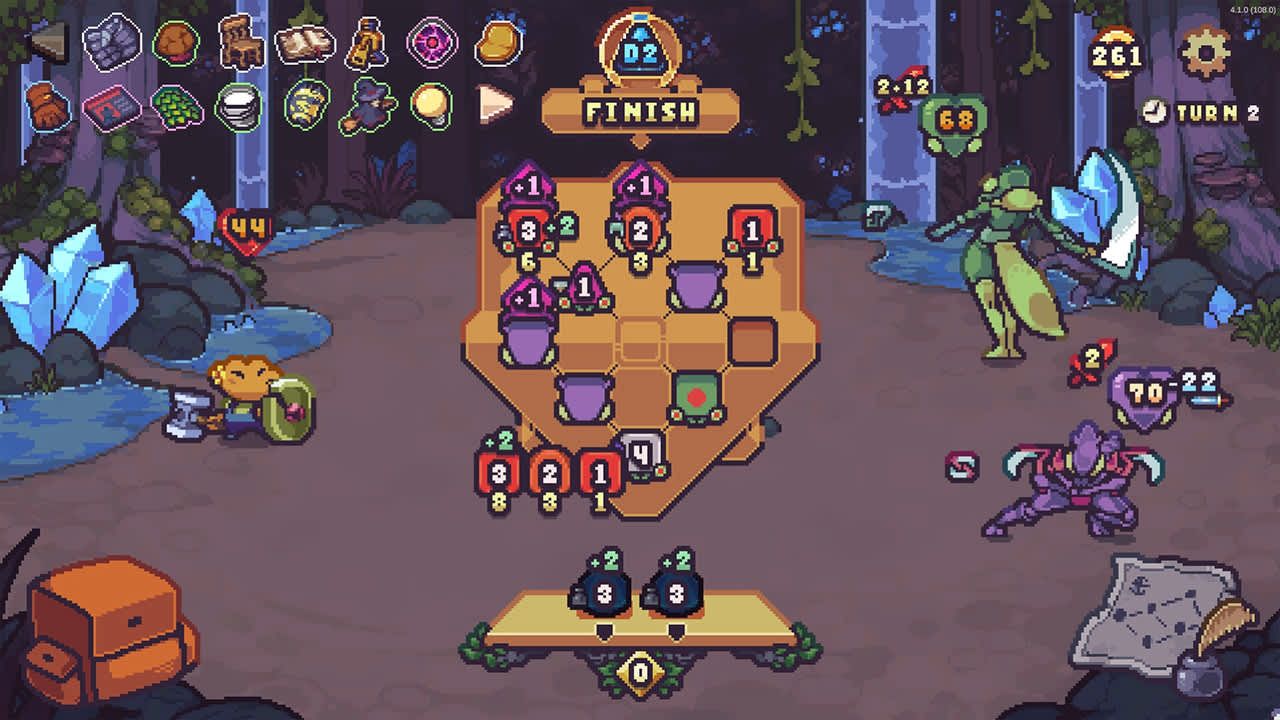
Image: nintendo.com
Die in the Dungeon is confirmed for Switch, but the timing still needs clarity
Die in the Dungeon is headed to Nintendo Switch, according to Nintendo Everything, putting Atico Games’ turn-based roguelike dice battler in front of a console audience that has been especially friendly to compact, replayable indies. The immediate catch is timing. In its August 8, 2025 report, Nintendo Everything said the Switch version had been announced, but that it was unclear when it would be ready. The outlet also reported that the game would be playable at Nintendo’s Gamescom booth that week, which points to a real Switch build rather than a distant platform tease.
There is one wrinkle readers should note. Nintendo Everything’s headline as provided carries an “update: release date” tag, but the available source text does not include the updated date itself. GameLoop is therefore treating the Switch version as confirmed while leaving the release date unconfirmed from the supplied material. That distinction matters for anyone trying to decide whether to wait for Die in the Dungeon Nintendo Switch or pick it up elsewhere.
The Switch news arrives after the PC game had already gone through a longer public runway. Wikipedia’s summary of the game’s release history says Die in the Dungeon began as a 2021 game jam project, received a prologue called Die in the Dungeon: Origins in December 2023, entered early access in February 2025, and was released in May 2026. The Switch announcement, then, is less a debut reveal than a platform expansion for a small game with a tested central idea: replace the familiar deckbuilder hand of cards with a bag of dice, then make every roll a tactical problem.
The hook: a deckbuilder where your deck is made of dice
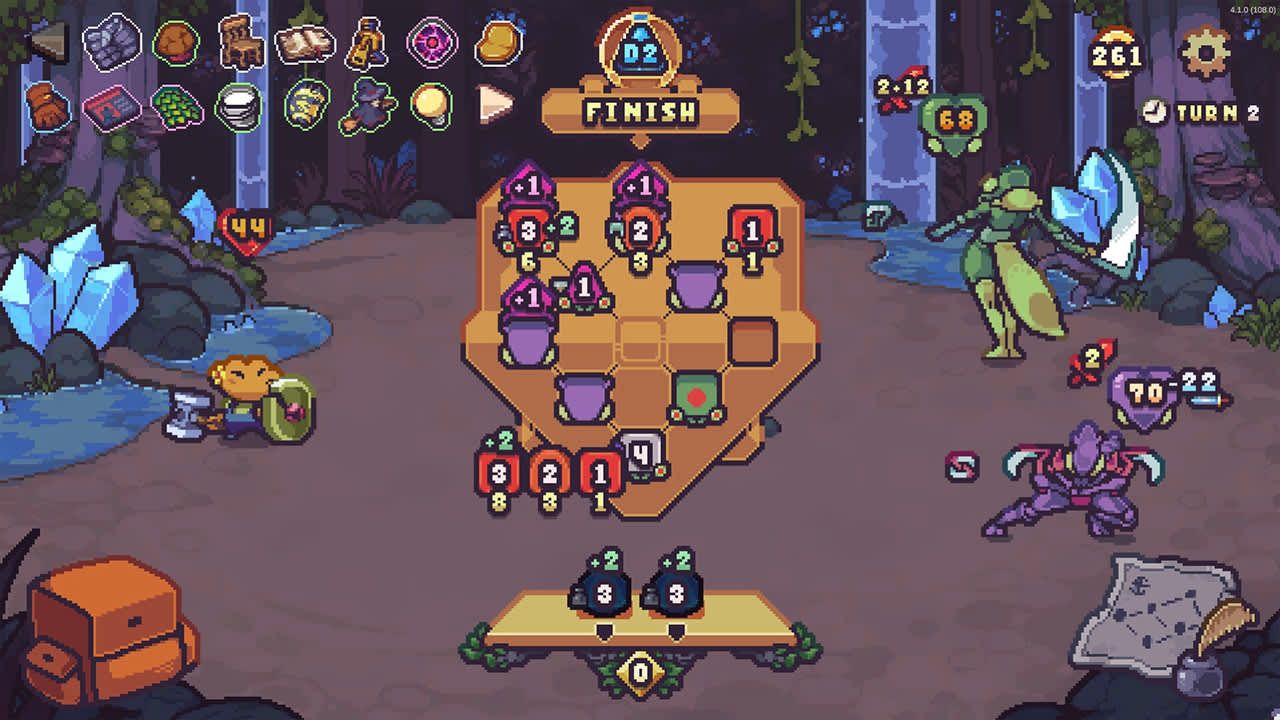
The clean pitch, taken from the official overview quoted by Nintendo Everything, is that Die in the Dungeon is a “deck-building, turn-based roguelite” where the deck is not made of cards, but dice. Each die represents an action. Some perform basic jobs like attacking or healing, while others boost different dice or copy their abilities. That gives the game an immediate identity among roguelike deckbuilders, because probability is built into every turn before the player even starts arranging a plan.
The important difference is that randomness does not appear to be a simple pass-fail roll. The official overview describes building from an expanding collection of dice, improving dice quality, combining dice, and adding relics that can push a run toward strange synergies. In practical terms, that puts Die in the Dungeon in the same decision space that makes the best roguelike dice battler designs sing: the roll gives you a messy tactical hand, but your upgrades and relic choices determine how often that mess becomes useful.
Wikipedia’s gameplay summary adds more texture. It describes battles built around rolling and placing dice into a grid, with the default board presented as a 3x3 diamond. Dice effects depend on color and rolled value. Red dice deal damage equal to the number, while blue dice block incoming damage equal to the number, according to that summary. Placement also changes effects, so the board is not a passive tray. It is part of the build. That single detail is the one Nintendo players should pay attention to, because it separates the game from dice games where the best answer is simply “roll high.” Here, where a die lands and what it touches can matter as much as the number facing up.
Runs are built around risk, relics, and board pressure
Nintendo Everything’s quoted official overview frames the dungeon as a shifting place where “encounters are not always hostile,” but always carry risk and reward. That is standard roguelite language on the surface, yet it fits the dicebuilding structure neatly. If your tools are probabilistic, then every noncombat decision that changes the dice pool can have a long tail. A new die might fix a weakness, dilute your best rolls, or unlock a relic interaction you could not use before.
Wikipedia describes dice as having different numbers of faces, including four-sided, six-sided, and eight-sided dice, with properties that can alter how they function. Its example is “Heavy,” a property that causes dice to remain on the board between turns. That kind of modifier is the craft hook. It suggests that Die in the Dungeon’s strategy is not only about collecting stronger numbers, but also about manipulating reliability, tempo, and board state.
The broader run structure also appears more substantial than a one-room gimmick. Wikipedia says battles are grouped into worlds, each world ends with a boss, and a run consists of three worlds. It also says players can choose different characters, each with a unique board, starting dice, and skills. If that description reflects the Switch version’s content, Nintendo players should expect a game that leans on repeated experimentation rather than a linear campaign.
That is exactly the lane where many indie Switch games thrive. Short turns, visible math, and run-based progression tend to suit handheld play, especially when a game can be understood in small pieces without becoming shallow. The unanswered Switch-specific question is how cleanly the interface maps to Joy-Con and handheld touch-adjacent play. The sources confirm the dice-and-board structure, but they do not provide control details, performance targets, file size, price, or whether the Switch release will match the PC version at launch.
A small-game-jam idea with a longer development tail
The Switch version is easier to understand if you look at how Die in the Dungeon got here. Wikipedia attributes development to Atico Games, a Madrid-based indie developer, and lists HypeTrain Digital and Sidekick Publishing as publishers. It also says the original version was made for Brackey’s Game Jam in February 2021 before Atico continued working on it in its spare time. The community-run Die in the Dungeon Wiki similarly traces the game’s original itch.io publication to February 20, 2021 and Brackey’s Game Jam 2021.1, while crediting the early project to a small creative team.
That origin story matters because dicebuilders live or die on iteration. A cute concept can carry a game jam build for a weekend; a commercial roguelite has to survive dozens of runs, edge-case synergies, difficulty spikes, unlucky rolls, and players who will happily break the math if the system lets them. The sources do not give us Switch impressions, so this is not a review. What they do show is that Die in the Dungeon has had years to evolve from a jam idea into a full release before making its Nintendo move.
Nintendo Everything’s report that the Switch version would be playable at Nintendo’s Gamescom booth is also a useful signal. Platform holders have limited demo space at major shows, and a playable booth build usually means the game’s basic console conversion is far enough along for public hands-on sessions. It does not confirm polish, frame rate, price, release date, or final content parity, but it does make the announcement feel more concrete than a logo slide in a showcase.
How it fits the Switch roguelike shelf
Nintendo players already have a crowded roguelike shelf, and that is both an opportunity and a problem for Die in the Dungeon Switch. Eneba’s 2026 Switch roguelike roundup points to familiar heavyweights such as Hades, Rogue Legacy 2, and Into the Breach as examples of the platform’s depth in the genre. That context is useful even if Die in the Dungeon is doing something different. The Switch audience has been trained to expect roguelikes that work in bursts, reward repeat play, and keep failure from feeling empty.
Die in the Dungeon’s advantage is legibility. Dice are instantly readable objects. Attack, block, heal, boost, copy: those are easy verbs to understand. The depth comes from arrangement, upgrades, relic stacking, and probability management. That makes it a promising fit for players who like the strategic pressure of deckbuilders but bounce off dense card text or long combo chains.
The risk is also clear. Dice games can frustrate players who prefer complete control. If a bad roll feels like the game taking a turn away, the whole loop can sour. The available descriptions suggest Atico’s answer is mitigation through deck construction, die quality, special properties, relics, and board placement, but Nintendo players should still expect failure to come from a mix of decision-making and chance. That is the genre bargain.
If your favorite Switch roguelikes are fast action games, Die in the Dungeon may look quiet by comparison. If you gravitate toward tactical indies where one turn can be picked apart like a puzzle, it is worth watching closely. The best sign in the supplied material is that the dice are not treated as a novelty skin over cards. The grid, face counts, properties, and relic interactions all point to a game built around the physical logic of dice.
Should Nintendo players wait for the Switch version?
For now, the practical answer depends on how you play. If portability is the main draw, Die in the Dungeon Nintendo Switch is worth putting on your watchlist rather than forgetting in the flood of eShop releases. The confirmed Switch announcement, the reported Gamescom playability at Nintendo’s booth, and the game’s turn-based structure all make it a natural candidate for handheld sessions.
If you need certainty before planning a purchase, wait. The provided sources do not confirm the Switch release date, price, file size, frame rate, control options, touch support, or content parity with the PC release. The Steam page is included in the source set, but the captured text does not provide usable store specifics beyond the app listing itself. Wikipedia lists the full game release as May 1, 2026, but that should not be read as the Switch date unless a Nintendo listing, publisher announcement, or updated report says so directly.
The readers most likely to enjoy this are roguelike deckbuilder fans who want a different input language, puzzle-minded players who enjoy making the best of imperfect resources, and Switch owners who use the system as an indie discovery machine. The readers who should be cautious are those who hate randomness, prefer real-time action, or need a fully documented console port before buying.
Die in the Dungeon’s Switch announcement is promising because the core idea is sharp: turn dice into a deck, turn the board into a tactical space, and let relics bend the odds until a run starts to feel handmade. The release details still need to catch up with the promise. Until they do, this is a strong eShop watchlist pick rather than an automatic day-one call.