
Blizzard has confirmed a Diablo animated series is in development at Netflix, while reports from BlizzCon 2026 name the first three Diablo V classes and leave major adaptation questions unanswered.
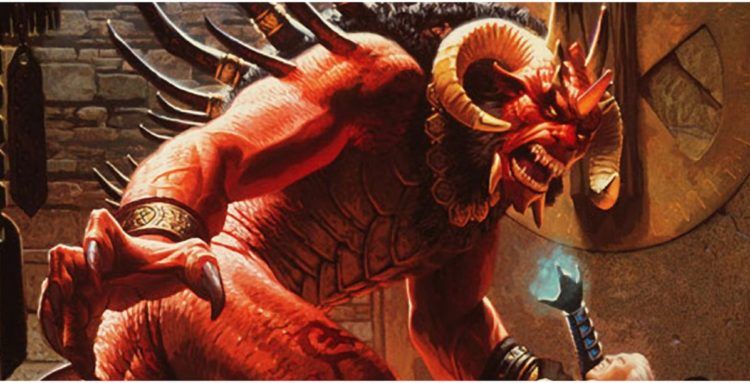
Image: tvovermind.com
Blizzard confirms the Diablo Netflix series, but keeps the show itself in the shadows
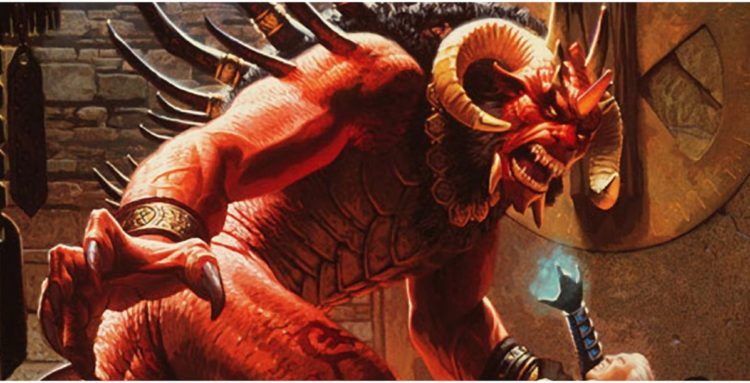
Blizzard has confirmed that a Diablo animated series is in development with Netflix, ending years of reports and rumors while leaving the creative shape of the adaptation largely unannounced. According to iHorror and Yahoo’s report on the BlizzCon 2026 opening ceremony, Blizzard president Johanna Faries told the Anaheim crowd that the company is “in development on a new animated series for Diablo with Netflix.” Yahoo and iHorror both note the same practical limitation: no showrunner, animation studio, cast, trailer, episode count, release window, or story premise has been named.
That makes the strongest confirmed fact narrower than the excitement around it. There is a Diablo Netflix series in development. It is animated. Blizzard and Netflix are attached. Everything beyond that, including whether it adapts a specific game, follows an original party, or ties directly into Diablo V, remains unannounced in the source material provided.
The tension is useful for RPG fans to keep in view. Diablo is unusually adaptable in mood, iconography, and monster design, but much harder to adapt in structure. The games are built around iteration: loot drops, skill synergies, difficulty scaling, seasonal objectives, and class fantasy refined across dozens or hundreds of hours. A series cannot reproduce a build planner or an endgame grind. It has to translate class identity, quest pressure, and Sanctuary’s theology into character drama without turning the world into a parade of recognizable demons.
The three Diablo V classes named so far point to a darker party template
The reported Diablo V class lineup gives the adaptation conversation a sharper edge because it shows what Blizzard is currently foregrounding in the wider franchise. iHorror reports that three classes were shown at BlizzCon 2026: Demon Hunter, Monk, and Plague Knight. The first two return from Diablo III, while the Plague Knight is described by senior game director Joe Shely as “a heavily armored class, walking death,” built around spreading disease and consuming it for power.
HappyGamer also reports that Blizzard revealed three playable classes through posts from the official Diablo account, quoting the account as saying, “Three classes revealed. And this is only the beginning for Diablo V.” HappyGamer’s account does not add a release window in the excerpt provided, while iHorror, GosuGamers, and Gagadget each report a Spring 2029 launch window for Diablo V. That is a conflict in emphasis rather than in the existence of the game: the sources agree Diablo V and the three-class reveal happened, but they differ on whether the reported release timing was part of what Blizzard placed clearly in front of audiences.
As class choices, Demon Hunter, Monk, and Plague Knight make a readable triangle for anyone who thinks about Diablo as an RPG system first. Demon Hunter usually signals vengeance, traps, ranged burst, and the fantasy of surviving by preparation. Monk brings discipline, mobility, and spiritual violence. Plague Knight, if the reported description holds through development, leans into attrition, corruption, and resource conversion. That trio is less about covering every traditional RPG role and more about showing three relationships to evil: hunting it, resisting it, and weaponizing its rot.
A Diablo adaptation has to solve the class problem, not dodge it
For a Diablo adaptation, classes are not cosmetic. They are how players understand their place in Sanctuary. A Barbarian changes the emotional register of a quest differently than a Necromancer or Monk because the combat loop and moral posture are different. The three Diablo classes named in reports for Diablo V give Netflix and Blizzard an obvious design question: should the series follow recognizable archetypes, or should it avoid class labels and build characters who only evoke them?
The safer television choice is usually the latter. A character who behaves like a Demon Hunter can carry trauma, obsession, and tactical paranoia without anyone needing to announce a skill tree. A Monk can express restraint, faith, and controlled violence through movement and ritual. A Plague Knight is riskier and more interesting because the fantasy described by iHorror, spreading disease and consuming it for power, sits close to body horror. In a game, that becomes a resource loop. On screen, it becomes a moral and visual problem.
That is where Diablo’s RPG identity could help rather than hinder the show. The franchise has always asked players to accept power gained under compromised conditions. Gear comes from slaughter. Progression comes from deeper descents. Heroes survive by mastering forces that look adjacent to damnation. If the Diablo animated series uses class language thoughtfully, it can turn builds into character arcs: what a person chooses to specialize in, what they give up to survive, and what power does to them over time.
Netflix gives Diablo a proven format, but the production details are still missing
The Netflix side of the report matters because animation has become the streamer’s strongest lane for game adaptations. Polygon’s reporting on Netflix’s wider video game slate notes that the service has released animated series based on League of Legends, Castlevania, Cyberpunk 2077, Devil May Cry, and Tomb Raider, while its live-action video game efforts have been less steady, including the canceled Resident Evil series and an in-development BioShock movie. Polygon also reported that Netflix is developing a live-action Persona series, which places Diablo within a broader push to turn long-running game properties into screen franchises.
For Diablo specifically, animation is the sensible medium. Sanctuary’s scale is expensive in live action: burning cathedrals, infernal armies, corrupted angels, ritual magic, and armor silhouettes that would be difficult to render convincingly on a restrained budget. Animation can stylize those elements instead of sanding them down. Castlevania is the obvious Netflix comparison because it already proved that gothic violence, religious imagery, and monster hunting can work in serialized animated form for a broad streaming audience.
Still, none of the crucial production variables have been confirmed in the provided sources. Yahoo states that no animation studio or teaser accompanied the reveal. iHorror says Blizzard promised more details later. Until a studio, showrunner, or visual direction is named, the words “Diablo animated series” describe a development plan rather than a near-finished show. Viewers should treat it as real, but early.
The Diablo V reports give the show a possible era, but not a confirmed story
Several outlets tie the Netflix announcement to Diablo V because both appeared during the same BlizzCon 2026 reveal cycle. GosuGamers reports that Diablo V follows Diablo IV with Sanctuary apparently destroyed and Diablo himself returning as the central threat. Gagadget, citing Blizzard’s official BlizzCon recap, reports that Diablo V is set roughly 100 years after Diablo IV in a Sanctuary that has already fallen. iHorror similarly describes a premise in which “Diablo has triumphed and its heroes have been defeated,” with players taking the role of the Heir to Westmarch and moving with survivor caravans.
None of those reports confirm that the Netflix series adapts Diablo V. That distinction matters. A show could be set during the fall of Sanctuary, decades before Diablo V, during the original Tristram catastrophe, or in a separate corner of the setting. It could also be designed as a brand entry point that borrows mood and factions rather than continuity-heavy plot.
For RPG fans, the most promising path may be a story that understands quest structure without copying a campaign checklist. Diablo works when a small objective reveals a deeper corruption: investigate a village, enter a cellar, follow a cult, uncover a Prime Evil’s influence. Television can use that escalation cleanly. The danger is over-compression. If the series races through named demons and lore terms without time for dread, Sanctuary becomes a glossary rather than a place.
Engagement is high, but Diablo players are bringing Diablo IV baggage with them
HappyGamer reports that the official Diablo account’s Netflix post drew 38,587 likes and 4,255 retweets, while the class reveal post drew 19,852 likes and 1,433 retweets in the week after the announcements. According to HappyGamer, the animated series post nearly doubled the game reveal in raw likes. That does not prove broader success, but it does suggest the Diablo Netflix series reached beyond the core action RPG audience that tracks class reveals and release windows.
The same HappyGamer report says replies pushed back on Blizzard, with some responses raising concerns about Diablo IV’s future and the franchise’s monetization track record. That skepticism is part of the adaptation’s starting conditions. Diablo fans have spent years debating seasonal structures, expansions, endgame loops, class balance, and value. A streaming series will not be judged only as television by that audience. It will also be read as a signal of where Blizzard wants the franchise to go.
GosuGamers and Gagadget also report that Diablo IV is still active in Blizzard’s plan, with the Amazon class returning in 2027. Gagadget says the Amazon is due in the first half of 2027, hails from the Skovos Isles, uses spears, javelins, bows, and elemental magic, and adds javelins as a new Diablo IV weapon type. GosuGamers reports four archetypes for the class: Champion, Skirmisher, Ranger, and Commander. Pricing for that class pack has not been announced in the provided material. That ongoing Diablo IV roadmap matters because the Netflix reveal is arriving while Blizzard is trying to serve current players, sell future content, and set up Diablo V at the same time.
For now, RPG fans should watch the creative hires more than the teaser art
The next meaningful Diablo adaptation news will not be a logo. It will be the creative team. A showrunner will indicate whether Netflix and Blizzard are chasing prestige horror, action-heavy fantasy, or a broader adventure structure. An animation studio will tell us far more about combat readability, creature design, and how far the series may lean into gore. A premise will clarify whether this is a Diablo V Netflix companion piece, a separate Diablo adaptation, or a gateway story for viewers who know the name but not the lore.
The reported class lineup gives fans something concrete to measure against. If Demon Hunter, Monk, or Plague Knight energy appears in the series, the adaptation will need to treat those archetypes as philosophies of play and survival, not costumes. Diablo’s best class fantasies are built from choices under pressure: range or risk, purity or compromise, discipline or hunger, burst damage or slow decay.
Confirmed today, the news is simple: Blizzard says an animated Diablo series is in development with Netflix, and reports from the same BlizzCon cycle identify Demon Hunter, Monk, and Plague Knight as the first Diablo V classes. The larger question is whether Blizzard can translate a loot-driven RPG into a character-driven horror fantasy without losing the slow, grim satisfaction that makes Sanctuary worth returning to.