
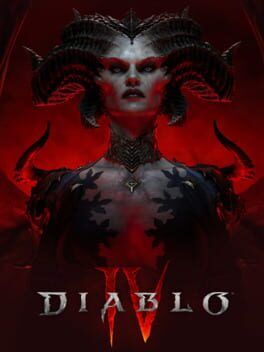

The Lost Horadrim book is more than a tie‑in; it quietly sketches out Skovos, the Amazons, and the shape of Diablo 4’s Lord of Hatred expansion and future endgame.
Blizzard is not shouting about Diablo 4’s next big step, but it is whispering. Those whispers are tucked into The Lost Horadrim, Matthew J. Kirby’s upcoming tie-in novel that follows Lorath Nahr on a grim errand to the Skovos Isles. On the surface it reads like classic Diablo fiction about distrust, trauma, and stubborn heroism. Beneath that it functions as a quiet roadmap for where Diablo 4 is heading with its Lord of Hatred expansion.
Skovos as the next frontier
The most direct tease is the setting itself. The novel pulls Lorath away from the familiar mud and stone of Sanctuary’s mainland and deposits him in the Skovos Isles, long-referenced in the series but never fully realized in the games. These islands are home to the Amazons, a fiercely independent warrior culture that once stood as one of Diablo 2’s iconic classes.
In the excerpts, Skovos is fragile and frayed. The Amazons are recovering from the Reaping, a catastrophic event that bled them of soldiers and stability. Their coasts are harried by the Drowned, an undead maritime threat that echoes the sea-wraith horrors players already know from Scosglen but with a local, escalating twist. Captain Adreona, an Amazon commander, makes it clear that the Isles are in no state to trust outsiders, yet the danger has grown too large to face alone.
For Diablo 4, that is fertile ground for a new playable region. Skovos practically begs to be an expansion-scale zone, with its own cultural identity, layered coastal geography, and internal political tension. Visually it lets Blizzard break away from the game’s current mix of gothic Europe, rotting forests, and windswept deserts. You can start to imagine storm-lashed island hubs where Amazon warhosts shore up defenses, drowned temples rising at low tide, and jungle interiors hiding Horadrim ruins.
Amazons, Horadrim, and a world that no longer trusts heroes
The core relationship in the book is between Lorath and Adreona, and that dynamic reads like a blueprint for the factions players will encounter. The Amazons are not portrayed as grateful NPCs waiting for a savior. They are scarred, suspicious, and keenly aware that Sanctuary’s supposed protectors have failed it more than once. Lorath is a Horadrim veteran, weighed down by guilt and age, and he enters Skovos not as a conquering mage but as a supplicant who has to earn his keep.
In game terms, that shift in tone matters. Diablo 4’s main campaign already pushed a world-weary perspective where faith in institutions is threadbare. The Lost Horadrim reinforces it by putting one of the last Horadrim at the mercy of a local commander who openly questions whether he should be allowed to fight beside her troops. When that attitude is mapped onto an expansion, you get a sense that Skovos will not simply roll out the red carpet for the Wanderer.
Players can reasonably expect Amazon-led factions that demand proof instead of worship, perhaps with reputation tracks built around service, defense, and shared sacrifice rather than simple monster slaying. The Horadrim presence, diminished and desperate, could function as a counter-faction trying to regain relevance, setting up a triangle between island natives, old magical orders, and the player acting as the unstable variable.
The Drowned and the flavor of Lord of Hatred
The antagonists in the excerpts are the Drowned, a relentless undead force that has been quietly growing in strength while Skovos reels from the Reaping. Diablo 4 already uses the Drowned as a coastal monster family, but The Lost Horadrim reframes them as something more existential for the Isles. They are not just creepy sailors haunting a shoreline; they are a strategic threat that threatens to break what is left of Amazon power.
How does that hook into Lord of Hatred, an expansion named after Mephisto, the Prime Evil tied to hatred and manipulation rather than the sea? The connective tissue is corruption through trauma. Skovos is a culture defined by battle and loss, and the Reaping plus an unending undead onslaught gives Mephisto a perfect breeding ground. Every grudge between Amazons and Horadrim, every suspicion of outsiders, every scar left by past wars is raw material for the Lord of Hatred to twist.
In practical terms this could mean a zone structure where the surface threat is nautical and necromantic, but the deeper campaign reveals that a Prime Evil is engineering it to grind the Isles into a furnace of paranoia. As players push deeper, expect Drowned captains and drowned Amazons twisted into generals for a larger demonic conspiracy. That fits Diablo 4’s pattern of starting with grounded horrors and steadily widening the scope to cosmic evil.
Connecting the lore to Diablo 4’s live roadmap
Blizzard has already outlined a broad roadmap for Diablo 4 that includes major expansions, class additions, and ongoing endgame tweaks. Lord of Hatred has been unveiled as the next big chapter, with early talk pointing to a new Warlock archetype and Paladin access tied to pre-purchases. The Lost Horadrim slots into that roadmap as the narrative scaffolding.
By sending Lorath ahead of the player into Skovos, the novel functions like a reconnaissance mission. It sets up the island’s recent history, introduces the factions we are likely to work with or against, and hints that Horadrim operations there have already gone wrong. When the expansion drops, Diablo 4 can drop the player into a world that feels lived in, with disasters and failed expeditions already in the rearview mirror.
For the live game structure this approach suggests a few likely moves. Seasonal themes could start trickling in Drowned variants, Amazon relics, or Horadrim side stories that name-drop Skovos or the Reaping. World events might lean harder into coastal incursions or mysterious shipwrecks as soft lead-ins. By the time Lord of Hatred launches, the idea of Skovos as a besieged frontier will feel like a natural next chapter rather than a sudden detour.
What kind of zones players might actually step into
Taken together, the hints in The Lost Horadrim sketch out a region that is more than just a single map. Skovos could be carved into several distinct playspaces that each feed into the larger story. Storm-wracked coastal strips where the Drowned land in waves. Fortified Amazon citadels perched on cliffs, functioning as social hubs and strongholds under siege. Dense interior jungles and valleys that conceal the remains of Horadrim vaults and pre-Reaping Amazon sanctuaries.
Diablo 4’s open-world structure favors layered verticality and networked subzones, and island geography is a natural fit. Players may find themselves clearing sea caves that only open at particular world states, boarding spectral vessels as timed events, or discovering hidden coves serving as gateways into pocket realms tied to Mephisto’s schemes. The book’s focus on a missing Horadrim expedition and a hidden vault practically screams dungeon clusters, capped by set-piece boss encounters that weave together Amazon legends with the broader Eternal Conflict.
The environmental tone will likely lean into contrast. Safe zones that feel sun-bleached and almost idyllic, immediately bracketed by black storms at sea and shoreline graveyards where the Drowned burrow up from the surf. That kind of contrast has already worked in zones like Scosglen and Kehjistan. Skovos simply pushes it into a maritime direction, coupling saturated color with Diablo 4’s signature miserablism.
Factions, systems, and endgame direction
The lore setup points to more than a new campaign; it suggests potential shifts for Diablo 4’s endgame. The Amazons and Horadrim are tailor-made for system-facing roles. An Amazon warhost could anchor a new reputation or renown track focused on defensive play, world events, and cooperative objectives. Think recurring island sieges where players race to repel Drowned assaults on outlying strongholds, unlocking unique Amazon martial techniques or weapon patterns.
The Horadrim, still reeling from past failures, could double down on experimental magic. That fits naturally with new itemization layers, perhaps through an expanded take on codex-style inscriptions, vault delves, or class-neutral relics that let players bend the usual build rules at high cost. The narrative of a hidden vault and a missing expedition gives design a perfect excuse to attach mechanical risk to lore-driven expeditions into forbidden places.
For long-term direction, Lord of Hatred is in a position to tighten the connection between narrative arcs and repeatable content. If Skovos is built as a region under constant pressure, its endgame might revolve around maintaining a precarious equilibrium. Island defenses weaken if ignored. Drowned influence spreads into higher-tier nightmare dungeons. Prime Evil incursions escalate if players fail to check them. That would align with Blizzard’s stated goal of keeping Sanctuary a living world where player action and inaction both matter.
Class-wise the mention of Warlock and Paladin support in expansion materials dovetails with the lore. Warlocks, drawing on forbidden demonic and shadow magics, fit as uneasy allies of the Horadrim, tapping into the same dangerous currents the order has spent centuries trying to bottle. Paladins, with their historical ties to Zakarum and notions of righteous war, might arrive in Skovos as controversial "help" whose zeal sits uneasily beside Amazon pragmatism. Their presence would add another layer of ideological friction that Mephisto can mine.
A world tailored for the Lord of Hatred
The most important thing The Lost Horadrim tells us about the Lord of Hatred expansion is not a specific plot beat. It is the emotional texture. Skovos is exhausted, grieving, and at odds with itself, caught between duty to a dying way of life and the raw fear of losing everything. That is exactly the kind of emotional battlefield Mephisto thrives in.
If Diablo 4’s first year has been about surviving Lilith’s grand design and stabilizing Sanctuary in the aftermath, the next phase looks poised to explore how hatred fills the vacuum. The new novel points toward an expansion where your enemies are not only the Drowned on the beaches and demons in the vaults, but the grudges between allies, the resentment toward failed orders, and the temptation to let anger dictate every decision.
In that sense The Lost Horadrim is functioning as Blizzard’s quiet prologue. It sets the stage for Skovos as Diablo 4’s next frontier, frames the Amazons and Horadrim as complicated partners rather than simple quest dispensers, and defines the emotional stakes that the Lord of Hatred will exploit. When players finally sail for the Isles, they will not just be chasing loot. They will be walking into a world that has already been living with its own hatred for a very long time, waiting for someone like Mephisto to give it a final, monstrous shape.