
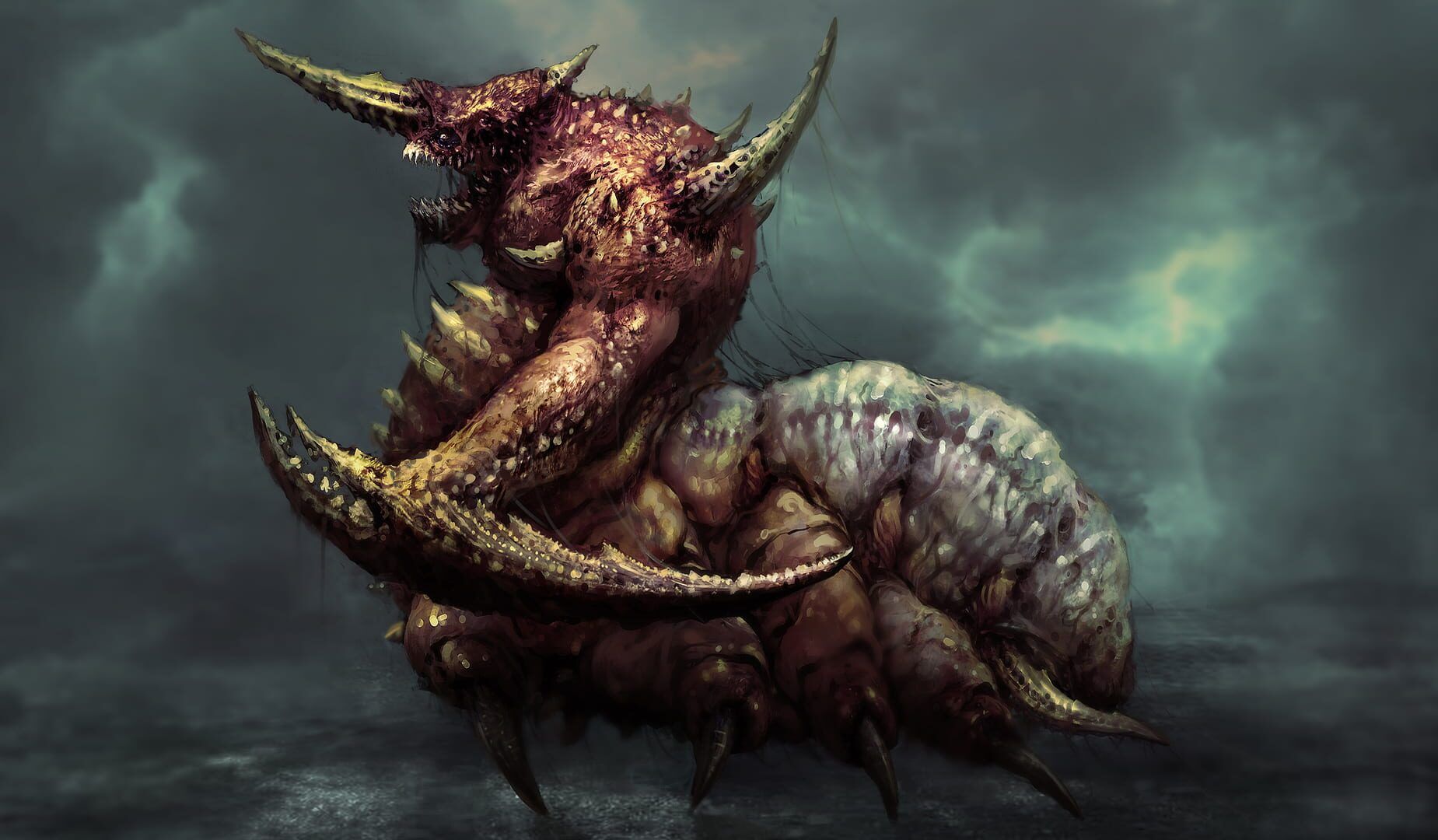

A Taiwanese rating has all but confirmed Diablo IV: Lord of Hatred for Nintendo’s next system. Here is what that means for Switch 2 hardware, performance expectations, and why a portable Sanctuary could be a huge deal for both Blizzard and Nintendo.
Taiwan’s Entertainment Software Rating Board has listed Diablo IV: Lord of Hatred for Nintendo Switch 2, following an earlier Indonesian rating. Ratings boards are not announcements, but history with titles like Overwatch, Diablo III and countless third party ports suggests this is more than a clerical error. Blizzard appears to be lining up Diablo IV and its second major expansion as part of the early life of Nintendo’s new hardware.
What makes this rating particularly important is the timing and the platform naming. Lord of Hatred is late stage Diablo IV content, not a launch‑window add on, and the listing explicitly calls out Nintendo’s next system rather than the current Switch. This implies planning around a specific feature set: stronger CPU and GPU performance, modern storage, and online infrastructure robust enough to support an always‑online action RPG.
To understand what Diablo IV could look like on Switch 2, it helps to look at the original Switch port of Diablo III. Blizzard already proved it can scale its engine for handheld play, hitting 60 frames per second with adaptive resolution and pared back effects. Diablo IV is heavier: higher density environments, more complex lighting, larger enemy groups and a streaming open world. The expectation is not a direct PS5 or Series X equivalent, but a carefully dialed in "performance portable" build.
On current high end consoles, Diablo IV regularly targets 60 frames per second with high or ultra settings. On a hypothetical Switch 2, a realistic target would be a dynamic 1080p in docked mode and 720p in handheld, with effects and shadows stepped down compared to other platforms. FSR style upscaling or Nintendo’s own equivalent is likely to be part of the solution, letting Blizzard keep image quality acceptable while maintaining framerate during big world events and Helltides.
The more demanding question is CPU and streaming performance. Diablo IV’s open world constantly streams assets, NPC routines and networked player data. The fact that Blizzard is apparently comfortable shipping an expansion on Switch 2 suggests that the system’s CPU is a large leap over the original Switch’s mobile chip. That aligns with broader rumors about the hardware aiming roughly in the PS4 Pro to early current gen range, which fits well with a game that has already proven scalable on PC.
Lord of Hatred itself raises the stakes. It is an expansion that leans into large set piece encounters, dense enemy swarms and more extravagant spell effects. On Switch 2, players should expect some selective cuts. Particle density will likely be tuned down, foliage and clutter thinned out and draw distance slightly reduced to avoid streaming hitches. Performance modes are more probable than pure quality options, prioritizing a steady framerate over razor sharp visuals.
The portable factor changes how Diablo IV plays perhaps more than any graphical compromise. Sanctuary’s loop of running a Nightmare Dungeon or Helltide "for just one more drop" is already built around bite sized goals. On a handheld, that loop naturally fits short sessions on commutes or during breaks, provided Blizzard structures its matchmaking and event timers with portability in mind.
One major question is how Lord of Hatred’s endgame will interact with the realities of portable online gaming. Diablo IV is always online, even for solo players, and that will not change on Switch 2. Nintendo’s network has improved since the early Switch years but is still behind PlayStation Network and Xbox Live in consistency and features. For Blizzard, that means carefully tuning reconnection behavior, cross play matchmaking and cross progression so that a train tunnel or café Wi‑Fi drop does not mean losing dungeon progress.
Cross progression is the potential ace in the hole. If Switch 2 supports Battle.net accounts the way other consoles do, players could treat the Nintendo version as their traveling Sanctuary, hopping between PC or big console at home and handheld on the go. That model worked very well for Diablo III across Switch and PC, and Diablo IV’s seasonal cadence is even more suited to it. Being able to clear your daily Tree of Whispers or push a couple of Glyph levels from bed makes the grind feel less like a grind.
For Blizzard, landing Diablo IV on Switch 2 is about more than one port. It positions the company on day one of Nintendo’s new third party wave, alongside other big multiplatform releases. Diablo III on the original Switch was a surprise hit that kept legs for years, partly because there was little direct competition in its niche on Nintendo hardware. If Switch 2 launches into a much healthier third party ecosystem, Blizzard will want its flagship live service RPG ready to fight for that early adopter time.
The Lord of Hatred rating also hints at Blizzard’s confidence in Diablo IV’s long tail. Committing to a new platform for an expansion suggests the game’s seasonal model is not slowing down. A Switch 2 audience arriving late still gets a full campaign, multiple expansions and potentially several years of seasonal content ahead. That is exactly the sort of ongoing engagement live service publishers chase.
Nintendo, in turn, gains another prestige mature title that runs counter to the perception of its platforms as family exclusive. Diablo III helped prove on Switch that there is a substantial audience for dark, loot heavy, online RPGs. Diablo IV is darker, more cinematic and more social. Having it in the early lineup supports the narrative that Switch 2 is a fully fledged home for core multiplatform releases, not simply a lower power side option.
Culturally, the idea of Sanctuary in your bag is powerful. ARPGs reward repetition, habit and incremental progress. Switch 2 could become the platform where players level alts between bigger sessions, where couch co op is as simple as sliding off a Joy Con successor and where quick dungeon runs fill the gaps that would otherwise go to mobile games. If the hardware delivers and the port is handled with care, Diablo IV on Switch 2 could echo what Diablo III did on Switch, but in a world that expects less compromise from Nintendo’s hybrid.
With Taiwan’s rating in the open, the real questions now are when Blizzard will make it official and how close to Lord of Hatred’s other platforms the Switch 2 release will land. What looks clear is that Nintendo’s next system is being treated as a serious home for Sanctuary’s ongoing war, and that alone marks a significant shift from the era when Blizzard on Nintendo felt like a curious exception rather than a core strategy.