
A systems-focused reappraisal of Diablo 3 in 2026, comparing its endgame pace, loot flow, class identity, and the practical case for lapsed players.

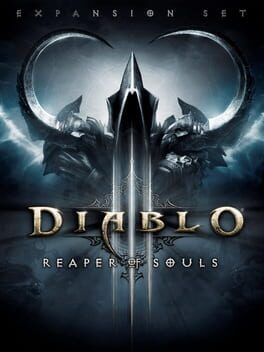
Image: IGDB
A 2012 problem is driving a 2026 argument
The renewed argument over whether Diablo 3 is the best Diablo begins with a stubborn contradiction: the game is still defined by a disastrous reputation it spent most of its life repairing. Polygon’s recent reappraisal frames Diablo 3 as the series entry it would recommend over Diablo 4 to a new player, while also acknowledging the baggage that attached itself before and during launch. According to Polygon, the 2012 release was criticized for a brighter, less grim art direction, then hit with network problems, a real-money auction house, and tuning that felt wrong. The same piece credits 2014’s Reaper of Souls expansion and the console ports with rescuing the game.
That is the tension lapsed players are now trying to sort through. Diablo 2 still carries the prestige vote. Eneba’s 2026 Diablo buyer guide places Diablo II: Resurrected and the original Lord of Destruction era at the top of its recommendations, calling Resurrected the definitive way to experience the ARPG that helped define the genre. Diablo 4, meanwhile, remains the current live-service entry, and Eneba’s guide describes Vessel of Hatred as the pick for players who want a dense endgame and modern cinematics. Diablo 3 sits between those poles: too friendly for some purists, too old to be the new center of Blizzard’s attention, yet still forceful enough that players keep relitigating its best ideas.
That debate is useful because it gets past the old launch verdict. The question is no longer whether Diablo 3 stumbled in 2012. The sources agree that it did. The better question for Diablo 3 in 2026 is whether the version shaped by Reaper of Souls, years of updates, and console-friendly design still offers the cleanest progression loop in the series.
The praise starts with pace, not nostalgia
The strongest pro-Diablo 3 case in Polygon’s reappraisal is mechanical rather than sentimental. The outlet argues that Diablo 3 has the best gamefeel and most refined combat in the series, describing a version of Diablo that translates its stat-heavy RPG lineage into immediate action. Its combat, in that reading, asks players to care about positioning, crowd control, and movement, with health drops pulling characters through the battlefield because the potion system is limited by a cooldown.
That matters for the Diablo 3 best Diablo argument because it shifts the point of comparison. Diablo 2’s appeal is often tied to scarcity, commitment, and danger. Diablo 4’s current identity is tied to its live-service cadence, endgame revisions, and modern production scale. Diablo 3’s defenders praise something narrower and more tactile: the sense that a fight feels good before the spreadsheet catches up.
For lapsed players, that is the first practical test. If what you want from Diablo is punishing permanence, cryptic optimization, or the severe texture of early PC action RPGs, Diablo 3 will still feel deliberately permissive. If you want an ARPG that communicates power quickly, keeps your hands busy, and lets a short session turn into a satisfying loot run, the same design choices that once made it seem less hardcore are exactly the reason its defenders still elevate it.
Adventure Mode became the symbol of the Reaper of Souls repair job
Polygon and egamers.io both identify Reaper of Souls as the turning point that changed Diablo 3’s reputation after launch. Diablo Wiki lists Reaper of Souls as Diablo 3’s 2014 expansion, following the original May 15, 2012 PC and Mac release and the later console versions. Within the player conversation, that expansion era is inseparable from Adventure Mode, the structure lapsed players usually mean when they talk about Diablo 3’s post-campaign life: bounties, rifts, repeatable goals, and loot-driven sessions that do not require replaying the story in the old campaign rhythm.
The sources provided here do not include a Blizzard feature sheet for Adventure Mode, so the safest confirmed claim is narrower: the current reappraisal credits the Reaper of Souls period with transforming Diablo 3 from a troubled launch into a long-running, replayable ARPG. The interpretation, widely reflected in the way players discuss the game, is that Adventure Mode gave Diablo 3 a cleaner answer to the endgame question than it had at release.
That answer is not as elaborate as a modern live-service map full of layered checklists. Polygon’s argument is almost the opposite. It praises Diablo 3 for feeling trim and contained despite having effectively limitless content and a long update history. For a lapsed player, that is the appeal of Diablo 3 endgame in its mature form: a direct path from character to combat to loot, with less friction around deciding what to do next.
Loot flow makes builds feel temporary in the best way
Diablo 3’s most divisive systems idea is also the one that aged best for players who dislike build anxiety. Polygon describes its skill and rune system as unusually fluid for an ARPG: skills and skill-altering runes are not locked behind deep interdependencies in a tree, and players can swap them with broad freedom. The outlet’s central observation is that Diablo 3 often encourages the player to adapt a build to the gear that drops rather than forcing gear to serve a fixed pre-planned build.
That design still annoys players who want long-term character identity to be expressed through irreversible or expensive decisions. In Diablo 2, the fantasy of a build is bound up with commitment. Your gear chase is aimed at completing or enabling a theory. Diablo 3 often inverts that relationship. A legendary effect drops, a set bonus changes the shape of a class, and the character’s rhythm can shift within minutes.
For a completionist-minded player, this is where Diablo 3 becomes unusually generous. Its loot flow does not merely increase numbers. At its best, it invites experimentation. The moment a new item changes the value of a skill you ignored for hours, the game pushes you back into the skill menu and asks whether your class can be understood differently. That is why the Diablo 3 vs Diablo 4 comparison can feel less about which game has the longer checklist and more about which game respects a player’s willingness to revise a plan midstream.
Class identity survives because the kits are loud and readable
A common criticism of highly flexible build systems is that they flatten characters. If every skill can be moved around too easily, the class can start to feel like a loadout wrapper rather than a role. Diablo 3 avoids some of that because its classes are so sharply presented. PlayerAuctions’ 2026 information page summarizes Diablo 3 as offering seven character classes, including Barbarian, Demon Hunter, and Wizard, each with distinct abilities and playstyles. Polygon goes further in its praise, arguing that Blizzard fine-tuned every character class, skill, and rune, and singling out the Wizard as a particularly thrilling glass-cannon class.
That is the heart of Diablo 3’s class identity. It is not built primarily through slow allocation or permanent specialization. It is built through animation, cooldown cadence, resource texture, and the immediate feel of pressing buttons. A Barbarian and a Wizard can both be reshaped by loot, but they do not move through a fight with the same grammar. One reads as impact and momentum. The other, in Polygon’s example, reads as dangerous fragility and spectacle.
The tradeoff remains real. Players who want their Necromancer, Demon Hunter, or Crusader to be defined by a hard-earned path may prefer a stricter ARPG. Players who enjoy mastering a class through repeated reconfiguration will find Diablo 3 unusually welcoming. That is also why lapsed players should resist judging the game only by campaign memory. Diablo 3’s character identity becomes clearest when loot starts pulling the class kit in new directions.
Diablo 3 vs Diablo 4 is a fight over friction
The modern comparison with Diablo 4 is unavoidable, but the sources show that it is not a simple older-versus-newer argument. Polygon’s praise for Diablo 3 is tied to its lack of what the outlet calls Diablo 4’s live-service bloat. Eneba’s 2026 guide, by contrast, presents Diablo IV: Vessel of Hatred as a strong option for players who want a dense endgame and modern cinematic presentation. Those claims can both be true because they describe different appetites.
Diablo 4 is the ongoing platform. It is where balance changes, seasonal expectations, and expansion-era revisions will continue to shape the current Diablo conversation. That gives it energy, but it also makes it noisier. Diablo 3, as described in the reappraisals, now benefits from being more settled. Its roughest debates are historical: launch problems, art direction, auction house memories, and whether Reaper of Souls fully redeemed it. Its current appeal is easier to explain because the game’s mature form is no longer being reinvented every few months in the same way a current live-service ARPG can be.
That makes Diablo 3 in 2026 a better fit for players who want a known quantity. If you bounced off Diablo 4’s endgame structure or felt tired by constant seasonal recalibration, Diablo 3’s relative compactness may feel liberating. If you want the living center of the franchise, new cinematic chapters, and the strongest sense of shared current momentum, Diablo 4 remains the more obvious destination.
Should lapsed players revisit Diablo 3 in 2026?
The practical answer depends on platform and tolerance for old design constraints. Diablo Wiki lists Diablo 3’s original PC and Mac launch on May 15, 2012, console releases for Xbox 360 and PlayStation 3 in 2013, and Xbox One and PlayStation 4 versions in 2014. The same wiki page states that the PC version is only playable online, does not support mods, and does not have controller support. It also lists keyboard and mouse or controller as input methods across the broader game entry, which reflects the important platform split: console Diablo 3 is a very different living-room proposition than PC Diablo 3.
Polygon’s reappraisal also notes that Diablo 3 is available on Xbox Game Pass at the time of that article, which lowers the barrier for players inside Microsoft’s subscription ecosystem. Because subscription catalogs change, lapsed players should verify the current listing before treating Game Pass access as guaranteed. The sources here do not provide a current official price, upgrade path, or Blizzard statement on future support.
Population data should be read carefully. PlayerAuctions publishes a 2026 Diablo 3 page estimating daily players through a Google Trends-based algorithm and lists a recent high a little above 40,000, but it also displays a Steam-powered concurrent count of zero. That Steam figure is not useful evidence of no player base because Diablo 3 is not a Steam-centered release in the way Steam chart pages usually track games. PlayerAuctions itself labels its marketplace as independent and unaffiliated with Blizzard. Treat those figures as a rough third-party signal of continuing interest, not an official census.
So, is Diablo 3 worth playing in 2026? For a lapsed player who wants the darkest tone, the harshest item economy, or the prestige of the genre’s old standard, Diablo II: Resurrected remains the cleaner recommendation and Eneba’s 2026 guide reflects that hierarchy. For a player who wants the current service game, Diablo 4 is the active battlefield. But if your ideal Diablo is fast, readable, loot-rich, generous with experimentation, and strong in short sessions, Diablo 3’s best version still has a coherent claim. The old launch wounds explain why the argument never goes away. The mature endgame, flexible builds, and class feel explain why so many players keep making it.